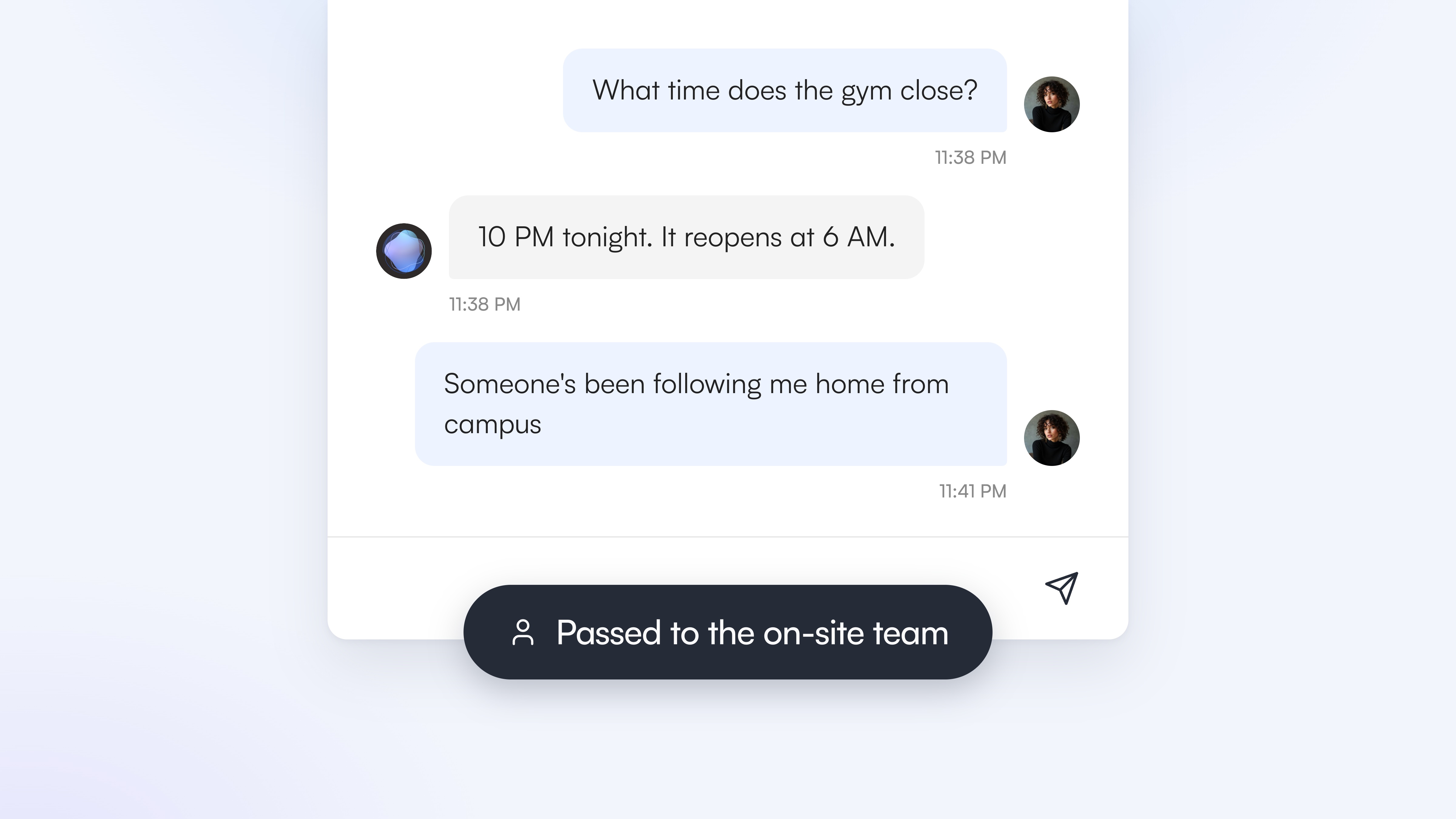
A student housing chatbot can answer a question in seconds. The harder part is knowing when to stop answering and involve a person.
For UK Purpose-Built Student Accommodation (PBSA) operators, that distinction matters. Student accommodation teams handle everything from room availability and booking questions to maintenance issues, complaints and situations involving student wellbeing. These interactions do not carry the same level of risk, so they should not all be treated as routine customer service conversations.
A well-designed student housing chatbot should handle high-volume, predictable enquiries efficiently while recognising when a conversation requires human judgement, safeguarding intervention or specialist support. The goal is not to make the chatbot responsible for everything. It is to create a clear boundary between what AI can handle and what people must handle.
What Should a Student Housing Chatbot Handle?
The strongest use cases are conversations where the answer is factual, repeatable and based on information the operator has approved.
For example, a student accommodation chatbot can help with:
- Room types and availability
- Amenities and facilities
- Location and transport information
- Booking and viewing information
- Tenancy processes
- Check-in and move-in information
- Parcel and reception queries
- Communal area information
- Opening hours
- Routine maintenance updates
- General questions about accommodation policies
These conversations can consume considerable staff time when handled manually, particularly during busy booking and move-in periods.
A chatbot should not be judged by how many conversations it can complete without human intervention. It should be judged by whether it knows which conversations it can safely complete and which ones need escalation.
A Simple Rule: Automate Information, Escalate Judgement
A useful way to design conversational AI for student housing is to separate enquiries into three categories.
A student asking what time reception closes is fundamentally different from a student saying they do not feel safe in their flat.
The first can be answered from approved property information. The second requires a safeguarding-aware response and an appropriate human pathway.
Build that distinction into the system before deployment.
Where a PBSA Chatbot Can Add Value
Enquiry and booking support
Prospective students often have practical questions before deciding whether to book accommodation.
A chatbot can answer questions about room types, facilities, tenancy information and availability, while collecting information such as preferred room type or intended move-in period.
Pre-arrival communication
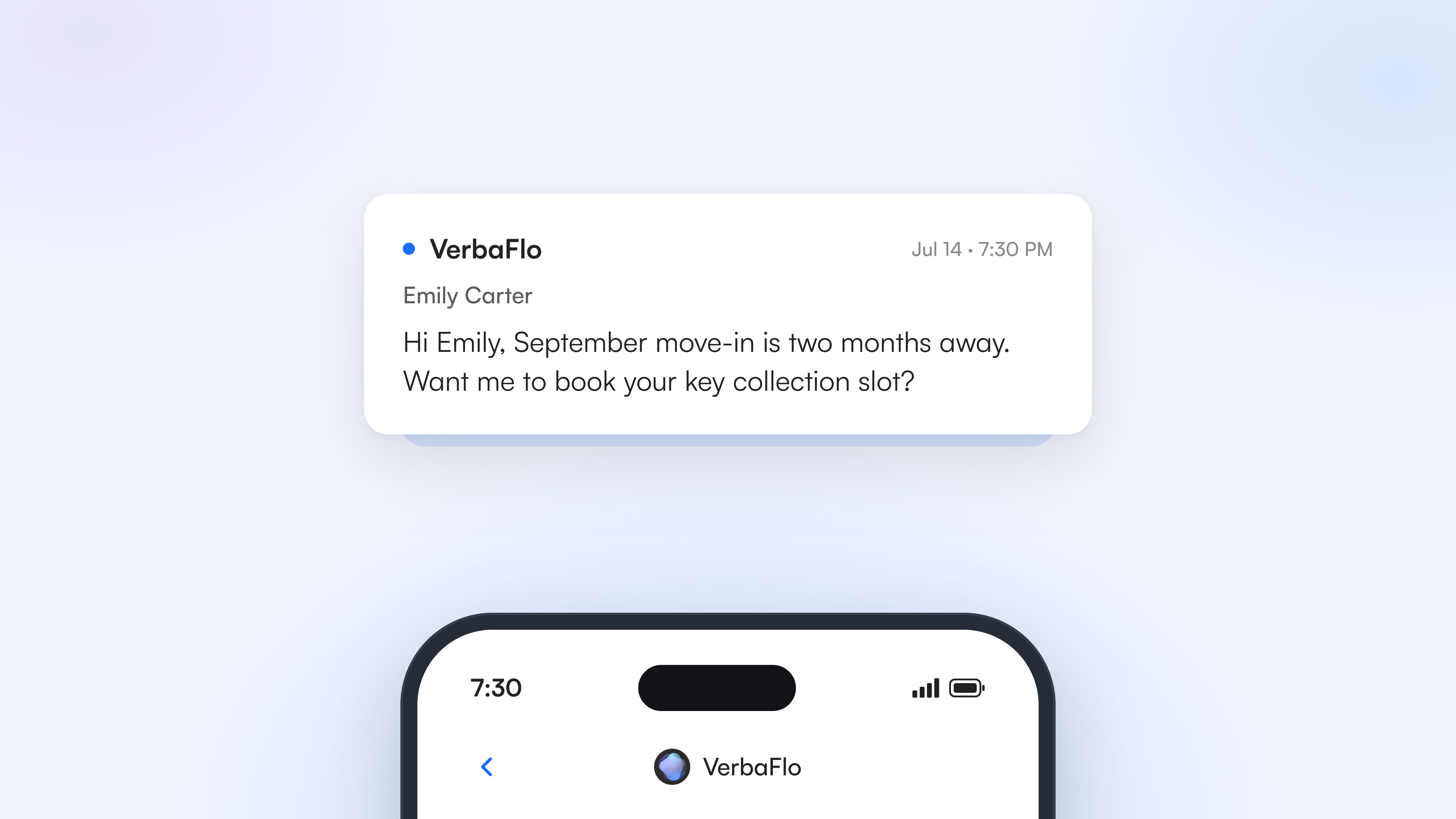
The period between booking and arrival can generate another wave of questions. Students may want to know what they need to bring, when they can collect keys, how check-in works or where to find information about their new accommodation. A chatbot can provide approved information and direct students to the appropriate resources.
Resident communication
The chatbot can continue to provide value after move-in. Routine questions about facilities, communal areas, parcels, events, maintenance processes and accommodation policies can be handled conversationally rather than requiring residents to email or call the team for every answer.
Maintenance intake
A student housing chatbot can also act as the first point of contact for maintenance requests. It can ask what has happened, collect relevant details and route the request into the appropriate maintenance workflow. It can also provide updates where the underlying system supports them.
What Must a Student Housing Chatbot Escalate?
This is where PBSA differs from a simple FAQ chatbot.
Student accommodation is also a living environment. Some conversations can involve wellbeing, vulnerability, harassment, abuse, threats, serious complaints or other circumstances where the appropriate response depends on context.
A chatbot should therefore have explicit escalation rules for situations such as:
- Immediate safety concerns
- Disclosures of abuse or exploitation
- Threats of harm
- Serious wellbeing concerns
- Harassment or violence
- Safeguarding concerns
- Situations involving a vulnerable student
- Serious complaints requiring investigation
- Requests requiring professional or legal judgement
- Issues outside the chatbot's approved knowledge
The exact escalation route will depend on the operator's policies, the accommodation setting and the circumstances involved.
For under-18 students, the safeguarding requirements can be particularly important. The Department for Education's national minimum standards for residential accommodation for students under 18 require arrangements to safeguard and promote students' welfare, and the guidance was updated in July 2026 to align with Keeping Children Safe in Education 2026.
What Should an Escalation Actually Look Like?
Simply telling a student to contact reception is not enough if the conversation indicates a serious concern.
A properly designed escalation workflow should establish:
- What triggers escalation.
- Which team or person receives it.
- What information is passed to them.
- How quickly the issue needs attention.
- What the student is told while waiting.
- How the interaction is recorded.
The Information Commissioner's Office (ICO) says organisations using AI to process personal data need to consider security, data minimisation and the risks associated with that processing. Its AI guidance also emphasises transparency around how personal data is used, including the purposes of processing and who information is shared with.
For PBSA operators, that means escalation should be designed into the AI workflow rather than added after implementation.
Safeguarding Should Be a Design Requirement, Not an Afterthought
The most important question when evaluating a student accommodation chatbot is not simply whether it can answer student questions. It is whether it can recognise when answering is the wrong thing to do.
AI can identify predefined signals and route conversations according to established procedures, but operators should not assume that an AI system can independently assess a student's wellbeing or determine the appropriate safeguarding response.
The Department for Education's current safeguarding guidance highlights additional considerations for residential settings, including vulnerabilities, inappropriate relationships and child-on-child abuse.
Similarly, UK government guidance on higher education and the Prevent duty emphasises the importance of staff recognising concerns and following appropriate processes when a student may be vulnerable.
Where Conversational AI Fits Into the PBSA Team
The best way to think about a PBSA chatbot is as a first-line communication layer.
It can answer routine questions, collect information from students, route requests to the right workflow, escalate sensitive conversations and record relevant context for staff.
The accommodation team remains responsible for the decisions and interactions that require human judgement.
This model also prevents another common problem with automation, which is forcing every student into the same experience.
How VerbaFlo Fits Into This Model
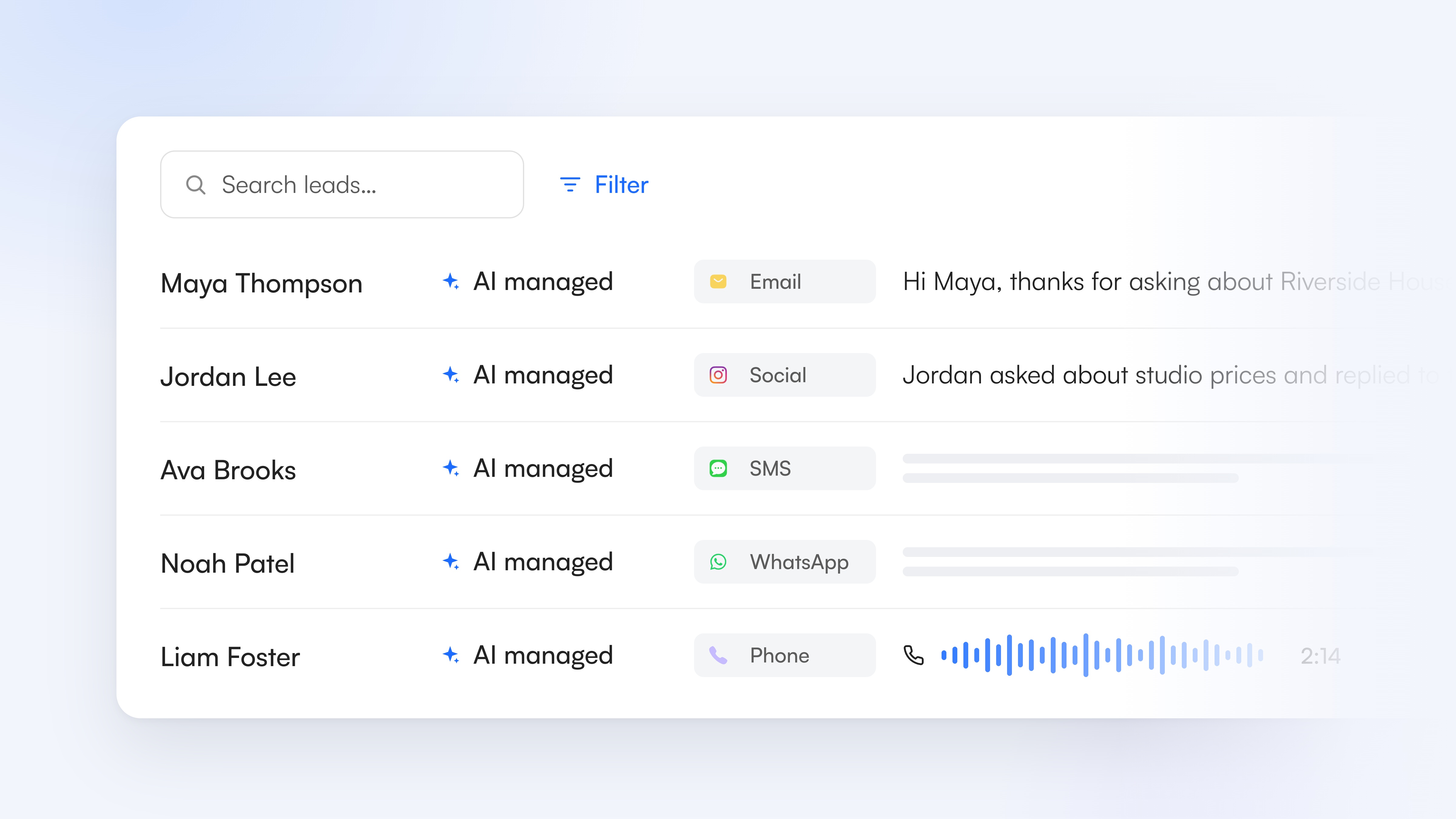
VerbaFlo can support PBSA operators by providing conversational AI across prospective student and resident interactions. For routine enquiries, it can provide approved information, help students navigate common questions and keep conversations moving without requiring staff to respond manually to every interaction.
For example, where an enquiry falls outside the information the AI is designed to handle, the conversation can be directed towards the appropriate team rather than allowing the chatbot to improvise. That creates a more useful model for PBSA, where AI handles routine communication while accommodation teams retain control over sensitive, complex and higher-risk interactions.
What to Look for When Choosing a PBSA Chatbot
Operators should look beyond the quality of the chatbot's answers.
A suitable system should provide:
- Property-specific knowledge
- Clear escalation rules
- Human handover
- Conversation history
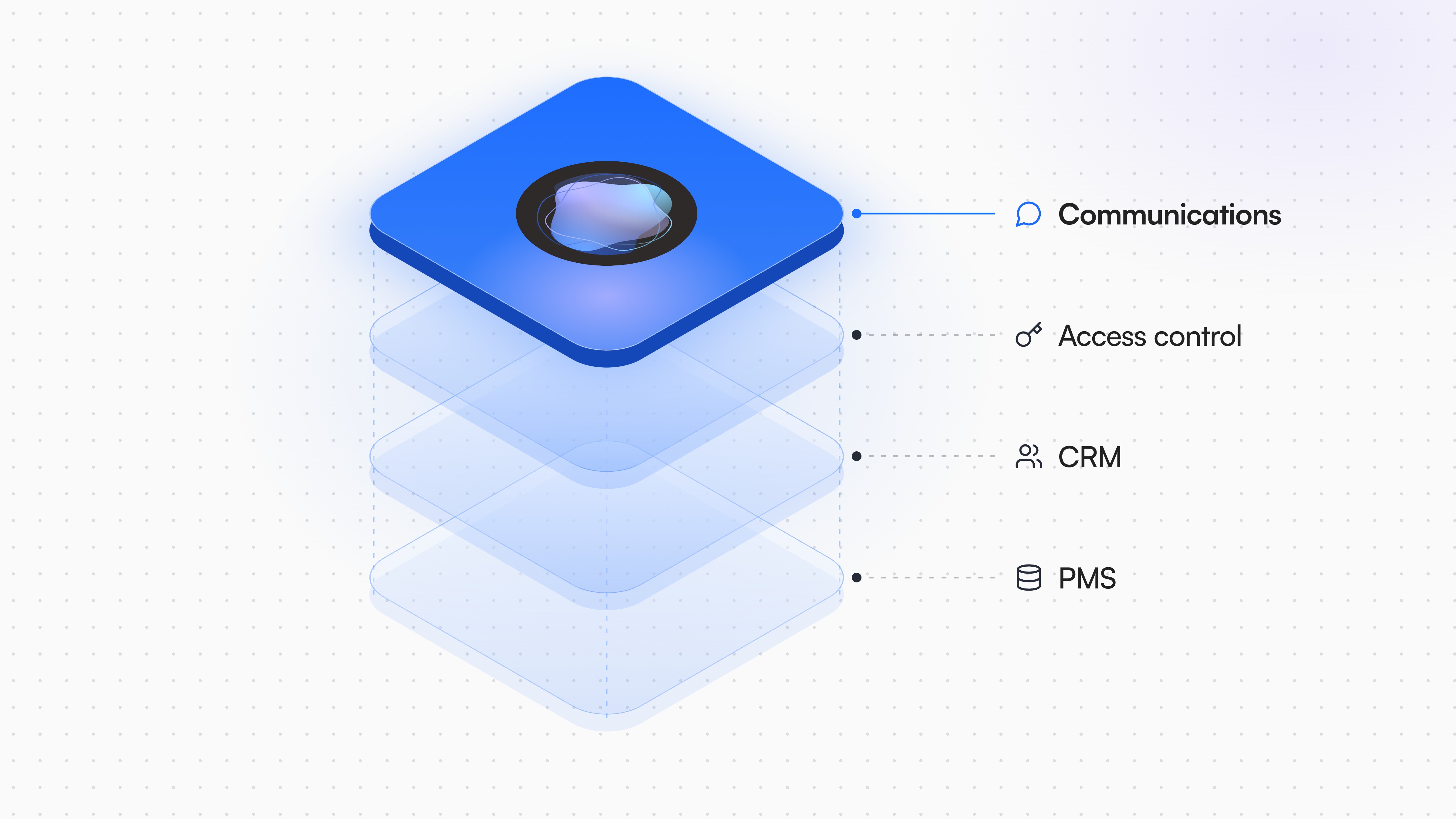
- Integration with existing systems
- Appropriate data controls
- Transparent handling of personal information
- Reporting on conversations and escalations
- Controls over what the AI can and cannot answer
The ICO's guidance recommends a risk-based approach to AI and says organisations processing personal data need to assess and manage the risks to individuals' rights and freedoms.
For PBSA, this means the buying decision should involve operations, technology and relevant safeguarding or compliance stakeholders rather than being treated purely as a customer-service technology purchase.
The Best Student Housing Chatbot Knows When Not to Answer
The most effective PBSA chatbot is not the one that tries to solve every problem. It is the one that understands its boundaries. Routine questions can be automated. Operational requests can be structured and routed. But conversations involving safeguarding, serious wellbeing concerns, safety, complex complaints or professional judgement need a clear path to people. Book a demo to see how it works.