
Artificial intelligence is moving from experimentation to practical use across Purpose-Built Student Accommodation (PBSA). But for operators, the challenge is no longer simply deciding whether to use AI. It is understanding which AI tool solves which operational problem, where it fits into the student journey, and what to prioritise first.
The PBSA AI market covers a broad range of applications, from conversational AI and enquiry management to application processing, resident communication, maintenance and analytics. These tools do not all solve the same problem, and buying the wrong capability first can add another layer of technology without addressing the underlying operational bottleneck.
For UK PBSA operators, the more useful question is therefore where AI can create the greatest operational impact across the student lifecycle.
What Counts as a PBSA AI Tool?
PBSA AI is not one defined product category. It is an umbrella term covering different technologies that use artificial intelligence to automate, support or improve specific operational workflows.
A typical student accommodation journey moves from enquiry to application, then booking, pre-arrival, move-in, residency and finally renewal.
AI can support different points along this journey. For example, conversational AI can engage prospective students during the enquiry stage, while application-focused tools can reduce administrative work once a student applies. Resident-facing AI can then support communication during the tenancy, while analytics can help operators understand patterns across their portfolio.
The key distinction is that AI should be selected based on the workflow it improves, rather than simply because it is marketed as an AI product.
The Main Types of AI Tools for PBSA
1. Conversational AI for Enquiries and Leasing
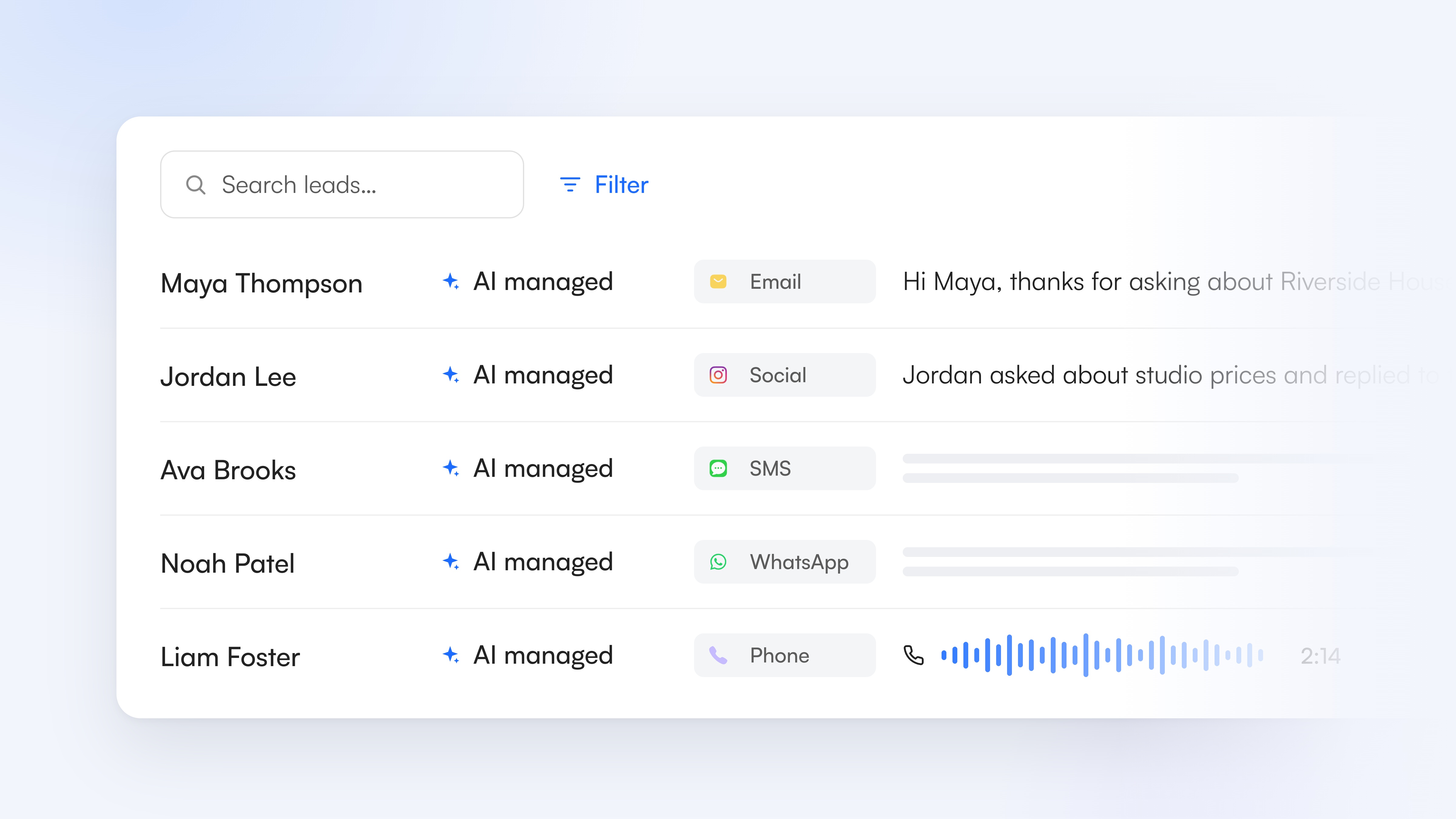
Conversational AI is designed to interact with prospective students through channels such as websites, messaging and other digital touchpoints.
It can answer routine questions about rooms, availability, amenities, pricing, tenancy information and application processes. It can also capture student requirements, qualify enquiries and support booking or viewing journeys.
For PBSA operators, this can be particularly useful during periods when enquiry volumes increase significantly, and teams need to respond consistently without manually handling every conversation.
Best suited to enquiry management, lead qualification, out-of-hours engagement and booking support.
2. AI for Application Processing
Application processing can create significant administrative work, particularly when teams are handling large numbers of prospective residents.
AI can help organise submitted information, identify missing details, categorise applications and support follow-up communication. The objective is not to remove human oversight from decisions, but to reduce repetitive processing and help teams identify what requires attention.
Best suited to application administration, document management and reducing processing delays.
3. AI for Marketing and Lead Nurturing
Not every student who enquires is ready to book immediately. Some are researching accommodation, comparing locations or waiting before making a decision.
AI-powered marketing and engagement tools can use behavioural and engagement information to support more relevant follow-up. Instead of sending identical communication to every prospective student, operators can adapt messaging based on where someone is in their decision-making journey.
Best suited to lead nurturing, personalisation and improving conversion from enquiry to booking.
4. AI for Resident Communication
AI does not stop being useful once a student signs a tenancy.
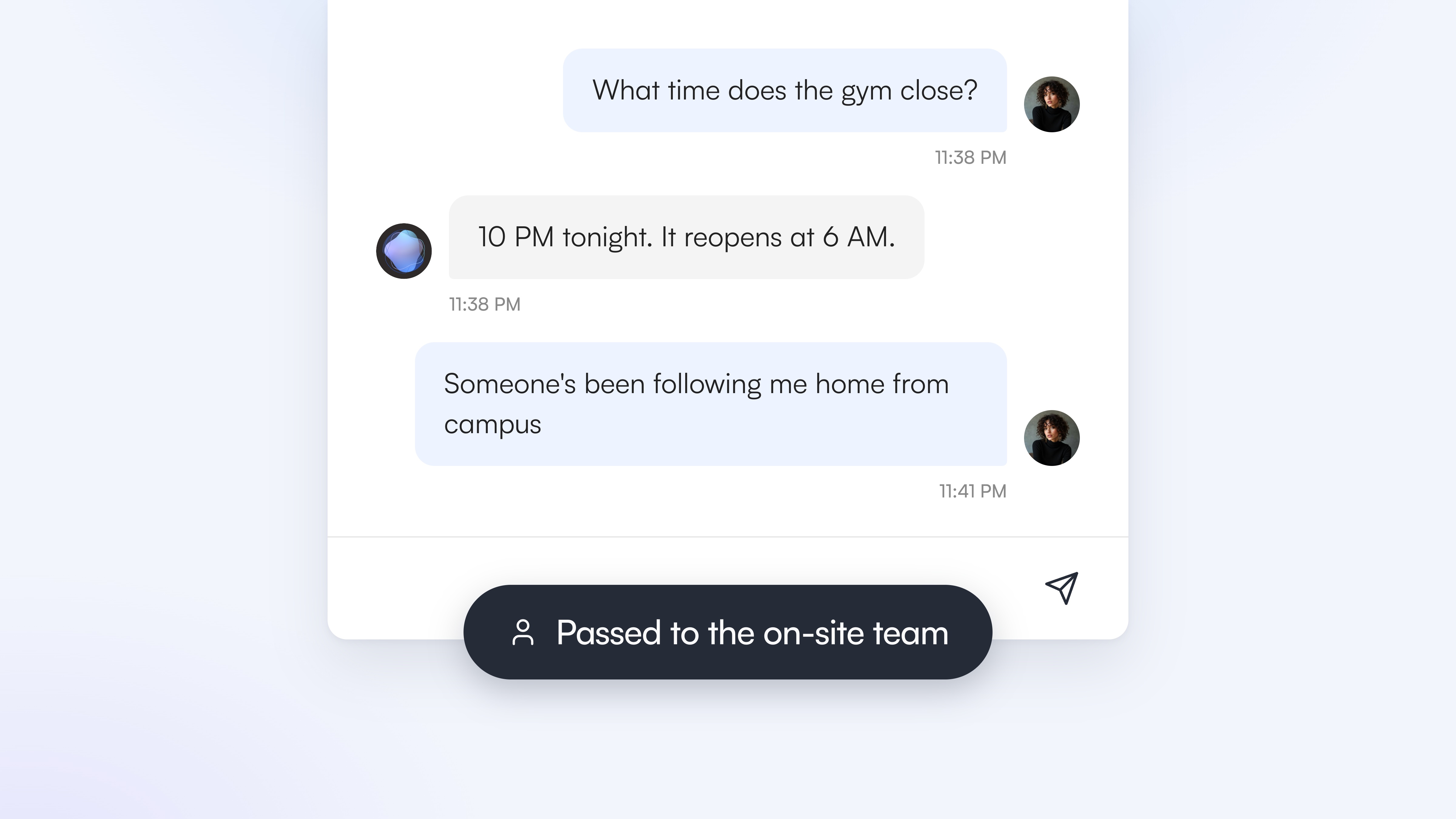
During residency, accommodation teams deal with recurring questions about facilities, policies, maintenance, parcels, events, payments and other aspects of day-to-day living. A conversational AI system can handle routine questions and provide approved information without requiring staff to respond manually to every interaction.
Best suited to resident support, FAQs, routine communication and reducing front-of-house workload.
5. AI for Maintenance and Operations
Maintenance generates another high-volume workflow within PBSA.
AI can support the initial collection of information when a student reports an issue, categorise requests, identify relevant details and route them into the appropriate operational workflow. It can also help keep students informed as work progresses. This does not replace maintenance teams. Instead, it reduces the administrative coordination surrounding each request.
Best suited to maintenance request intake, categorisation, routing and resident updates.
6. AI Analytics and Operational Intelligence
The final category is less visible to residents but potentially valuable for portfolio-level decision-making.
AI can help operators identify patterns across enquiry volumes, occupancy, resident communication, maintenance activity and other operational data. Instead of simply reporting what happened, intelligent analytics can help teams identify recurring patterns and areas requiring attention.
Best suited to portfolio insights, forecasting, performance monitoring and operational planning.
Where Do These Tools Fit in the Student Lifecycle?
The easiest way to understand the PBSA AI landscape is to map tools against the stages where operators actually interact with students.
- Before booking: conversational AI, marketing automation and lead nurturing can help students get answers and move towards a booking.
- Application: application automation can reduce administrative processing and help teams identify incomplete information.
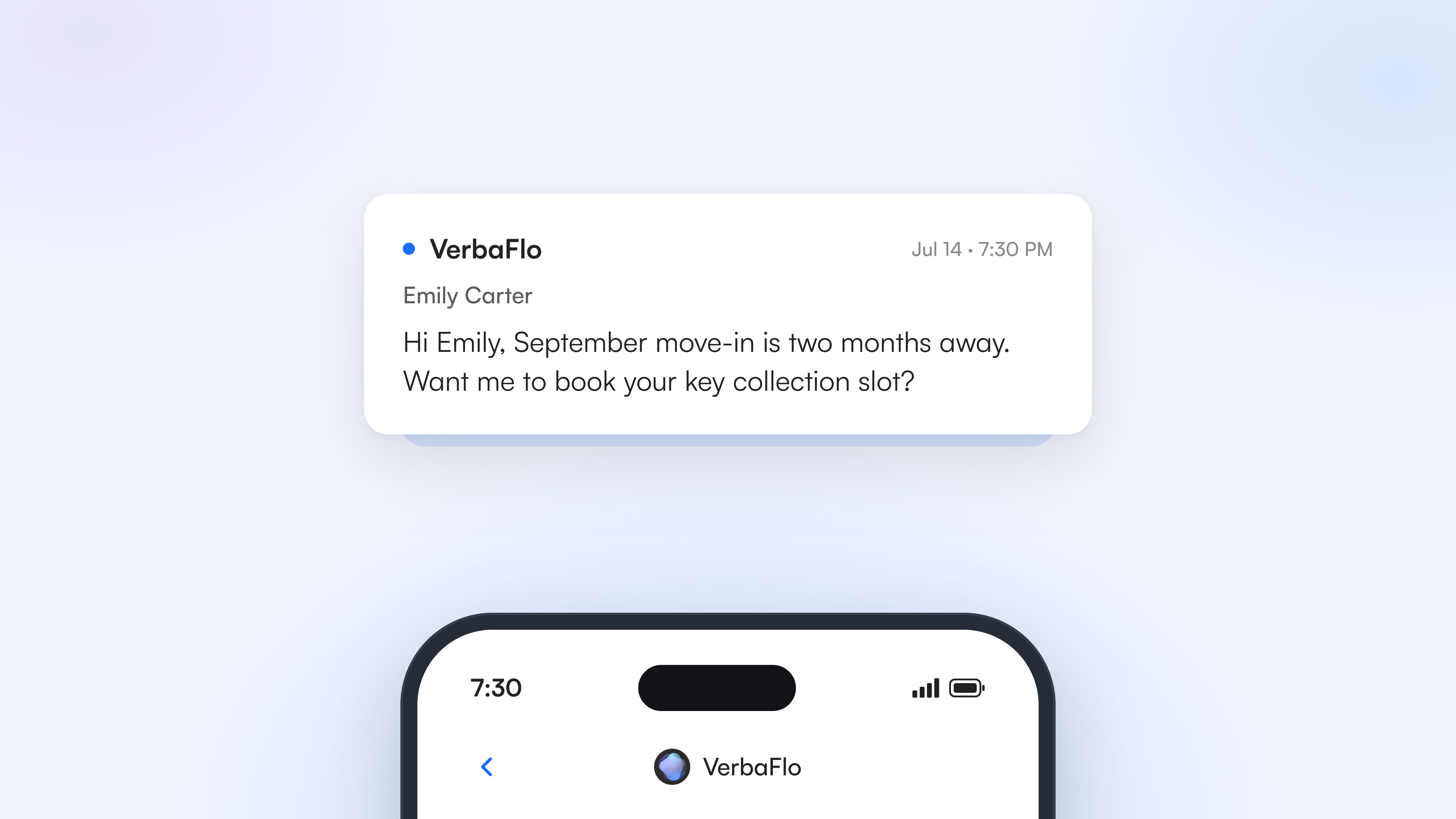
- Pre-arrival: AI-powered communication can provide reminders, answer common questions and help students prepare for arrival.
- During residency: conversational AI can support routine resident enquiries, while maintenance automation can help coordinate service requests.
- Renewal: engagement data and personalised communication can help operators identify opportunities to encourage students to renew.
This creates a connected model rather than treating each AI tool as an isolated piece of technology.
Which PBSA AI Tool Should You Buy First?
There is no universal first AI tool for every PBSA operator. The right starting point depends on where the greatest operational friction currently exists. If your teams are missing prospective student enquiries or struggling to respond outside normal working hours, conversational AI may provide the most immediate value.
If application volumes are creating administrative bottlenecks, application-processing automation may be the better starting point. If teams are spending substantial time answering repetitive resident questions, resident communication AI could deliver greater efficiency. If the biggest challenge is understanding portfolio performance, analytics and operational intelligence may deserve priority.
A useful way to prioritise is to consider three factors:
- Volume: how frequently does the workflow occur?
- Repetition: how much of the work follows a predictable pattern?
- Impact: what happens if the process is slow, inconsistent or missed?
The workflow scoring highest across these three areas is often the strongest candidate for automation.
Why Conversational AI Can Be a Practical Starting Point
For many PBSA operators, communication sits across almost every stage of the student journey. A student may first ask about room availability, then enquire about tenancy details, return with a question about amenities, request a viewing and eventually need support before moving in. After arrival, the same resident may use a conversational channel for routine questions or maintenance updates.
This makes conversational AI particularly interesting because it can operate across multiple touchpoints rather than addressing just one administrative task.
VerbaFlo takes this approach for PBSA by helping operators connect conversations across the student journey. It can support prospective student enquiries, answer routine questions, assist with engagement and help resident communication continue beyond traditional team availability.
The value is not simply in answering more questions automatically. It is in keeping the conversation connected while giving accommodation teams more time for interactions that genuinely need human involvement.
What Should UK PBSA Operators Look for When Buying AI?
The AI capability itself is only one part of the decision. Operators should also consider how easily a solution fits into their existing technology and operational environment.
Important considerations include:
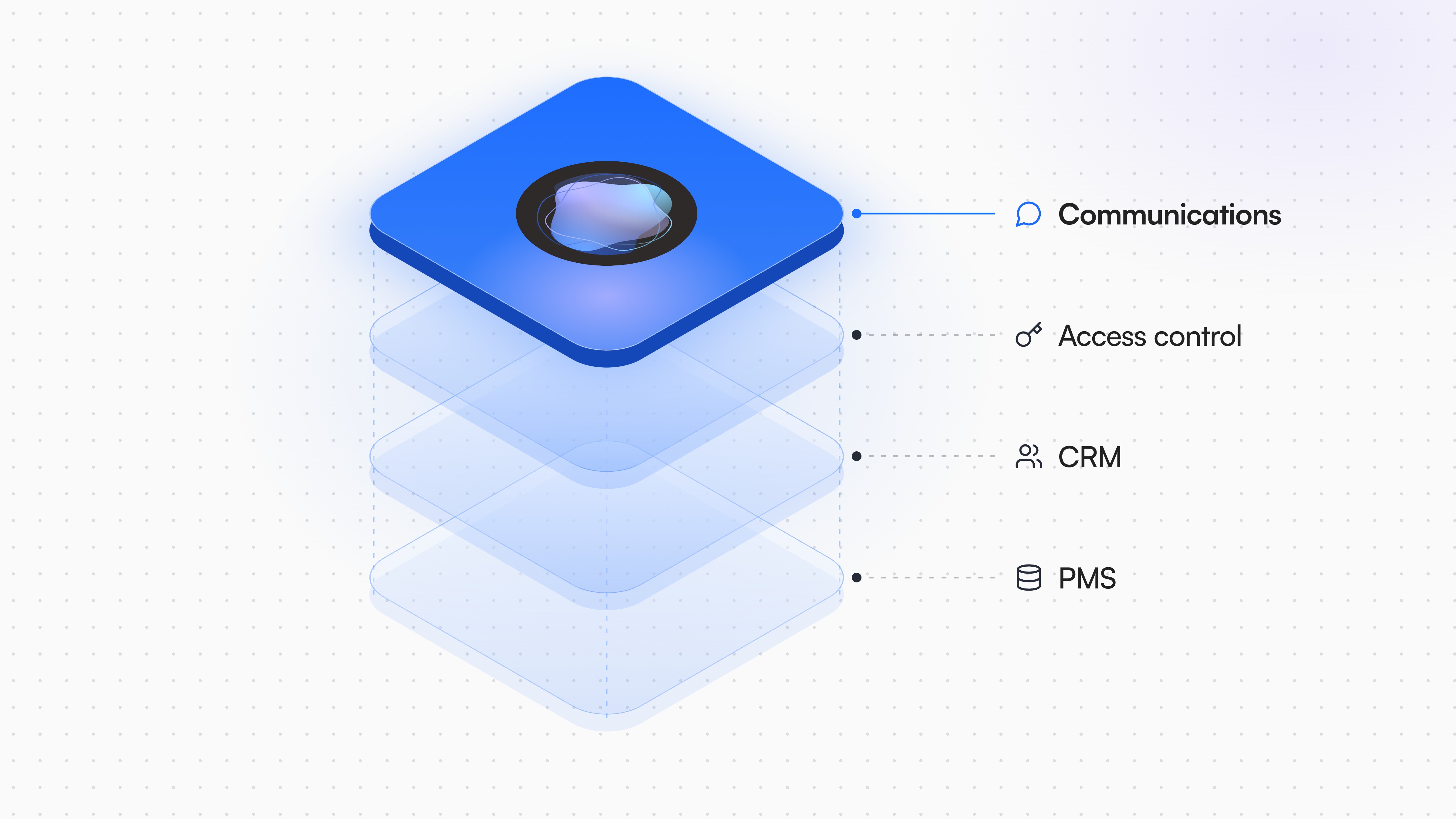
- Integration: the tool should work with relevant accommodation, CRM and communication systems rather than creating another disconnected workflow.
- Property-specific information: AI should be able to provide accurate information relevant to each scheme. Generic answers are of limited value when students ask about a specific building, room type, or policy.
- Human escalation: some conversations will always require staff involvement. The system should make it easy to identify and hand over those interactions.
- Conversation history: students should not have to repeat information simply because a conversation moves between channels or team members.
- Reporting: operators should be able to understand whether AI is actually improving enquiry response, conversion, resident service or operational efficiency.
- Scalability: a solution that works for one scheme should support a wider portfolio without creating increasingly complex administration.
The Future PBSA AI Stack Will Be Connected
The most effective PBSA technology strategy is unlikely to involve a single AI tool trying to do everything. Instead, operators are likely to build connected technology stacks in which different AI capabilities support different workflows.
Conversational AI can manage routine interactions. Application automation can reduce processing work. Maintenance AI can support operational coordination. Analytics can help leadership teams understand portfolio performance. The important part is how these systems work together.
For UK PBSA operators, AI should ultimately make the student journey feel simpler, faster and more connected, rather than adding another layer of technology for teams and students to navigate. The question is therefore not whether an operator can find an AI tool. Plenty of options already exist across the market.
The better question is which operational problem AI should solve first.
For operators dealing with high volumes of student enquiries and resident communication, conversational AI can be a practical starting point. For others, application processing, maintenance or analytics may offer a stronger initial opportunity.
The best PBSA AI strategy starts with the workflow, not the technology. Book a demo to see how it works.