Student accommodation does not follow a typical property marketing cycle. Demand builds around the academic year, application decisions, university offers, results and key enrolment periods. That means a student who is not ready to book today may become a high-intent prospect several months later.
For PBSA operators, the challenge is knowing what to say, when to say it and when to change the conversation.
A strong student housing lead-nurturing strategy should therefore follow the student journey rather than rely on a fixed email sequence. The objective is to keep prospects engaged throughout the leasing cycle, identify changes in intent and make sure high-intent students receive timely support when they are ready to book. This month-by-month calendar provides a practical framework for UK PBSA operators, while recognising that exact timing can vary by university, location and intake.
How the UK PBSA Leasing Cycle Works
The student accommodation cycle is closely connected to the university admissions calendar. Prospective students may begin researching accommodation well before they have made a final university decision. Others may only become active after receiving an offer, while some accommodation demand emerges much later through Clearing.
That creates several distinct phases:
- Early research and awareness
- University decision-making
- Accommodation search
- Application and booking
- Results and late-cycle demand
- Clearing accommodation
- Move-in and resident engagement
The mistake is treating all of these students as equally ready to book. A student researching options months in advance needs useful information and reassurance. A student comparing available rooms today needs availability, pricing and a clear route to booking.
September: Start Building the Next Year's Pipeline
As one academic year begins, the next accommodation cycle is already taking shape. Students arriving at their accommodation are becoming familiar with their new environment, while prospective students for the following academic year may begin researching universities and accommodation.
For operators, this is a useful period to organise the foundation of the next nurture cycle. Focus on capturing new enquiries consistently, maintaining accurate prospect information, identifying early interest, reviewing performance from the previous cycle, and preparing content for the upcoming recruitment period.
This is also a good point to review which questions prospects repeatedly asked during the previous cycle. Those questions can become the basis for future automated nurture content.
October: Build Awareness Before Booking Intent Peaks
At this stage, many prospective students are still researching rather than actively booking. The goal should be education, not aggressive conversion.
Content can focus on accommodation types, location and transport, facilities, what is included in rent, room options, community experience and how the booking process works.
Students who engage repeatedly should be retained in the nurture journey rather than treated as inactive simply because they have not booked.
November: Turn Interest Into Engagement
As students become more serious about university and accommodation choices, operators can begin introducing stronger calls to action.
This could include viewing information, virtual tours, room comparisons, availability updates, booking guidance and frequently asked questions.
The key is to use engagement as a signal. A student who repeatedly views room information or asks about pricing may require different follow-up from someone who has only downloaded a brochure. AI can help identify these differences and adjust communication accordingly.
December: Keep Prospects Warm
The festive period can interrupt normal student decision-making. That does not mean the nurture journey should stop. Instead, communication should become lighter and more useful. Operators can provide concise information about accommodation options, booking processes and important upcoming dates without overwhelming prospects.
For students who have already demonstrated strong interest, this can also be an opportunity to provide a clear next step for booking or arranging a viewing.
January: Move From Research to Action
January is an important transition point in the student housing pre-leasing cycle. Students may now have greater clarity about their university plans and begin moving from broad research towards accommodation decisions. Nurture should become more action-oriented.
Consider highlighting current availability, room types, pricing, viewing opportunities, booking requirements and key accommodation deadlines.
This is also where lead scoring becomes more useful. Operators should distinguish between students who are simply engaging with content and those actively demonstrating booking intent.
February: Prioritise High-Intent Prospects
By February, the volume of prospects actively considering accommodation can grow significantly. This is the point where student accommodation lead nurture should increasingly focus on conversion.
High-intent signals may include:
- Repeated website visits
- Viewing specific room types
- Asking about availability
- Requesting a viewing
- Returning to previous conversations
- Starting an application
- Asking about booking requirements
These prospects should receive faster, more personalised follow-up. Rather than sending the same message to the entire database, operators can use these signals to determine who needs immediate attention and who should remain in longer-term nurture.
March: Make the Next Step Obvious
At this point, students who are ready to choose accommodation should not have to work out what to do next. Every communication should make the pathway clear, moving from checking availability to arranging a viewing, then applying and booking.
AI can support this process by answering routine questions immediately and guiding students towards the appropriate next step. For more complex questions, the conversation can be escalated to the lettings team. This combination of automation and human support helps prevent promising prospects from getting stuck between stages.
April: Manage Growing Enquiry Volumes
As the main booking period develops, the challenge can shift from generating interest to managing demand efficiently. Lettings teams may be handling enquiries across multiple channels while also conducting viewings and processing applications. This is where automation can protect staff capacity.
AI can help with routine questions, availability enquiries, viewing information, follow-up reminders, application guidance and out-of-hours conversations.
The objective is not to remove the lettings team from the process. It is to let them spend more time with students who need human guidance.
May: Nurture the Not-Yet-Ready
Not every student who enquires in the spring will book immediately. Some may still be waiting for university decisions. Others may be comparing properties or discussing options with parents. These prospects should not simply disappear from the pipeline. Instead, nurture can provide relevant reasons to re-engage, such as updated availability, new room information, virtual tours, frequently asked questions, community information and booking guidance.
The aim is to remain useful without creating unnecessary pressure.
June: Prepare for Late-Cycle Demand
By June, operators should look closely at their remaining availability and identify where additional demand is likely to come from. This is also a good time to review inactive prospects.
Students who were previously undecided may now have clearer university plans. A previously low-intent enquiry can suddenly become highly relevant.
AI can help identify renewed engagement and bring these prospects back into the active follow-up workflow.
July: Plan for Results and Clearing
July is when operators should prepare specifically for late-cycle demand. Clearing can introduce students who did not follow the traditional university decision journey and may therefore have different accommodation requirements and timelines.
Operators should ensure that availability information is current, frequently asked questions are easy to access, booking processes are clear, out-of-hours enquiries can receive a response, and high-intent leads can be escalated quickly.
For students making decisions under time pressure, unnecessary delays can become particularly costly.
August: Capture Clearing Accommodation Demand
Results and Clearing can create a final wave of accommodation demand. The nurture strategy should now be much more conversion-focused. Students may need immediate answers about available rooms, contract terms, pricing, location, move-in dates, booking requirements and what happens after booking.
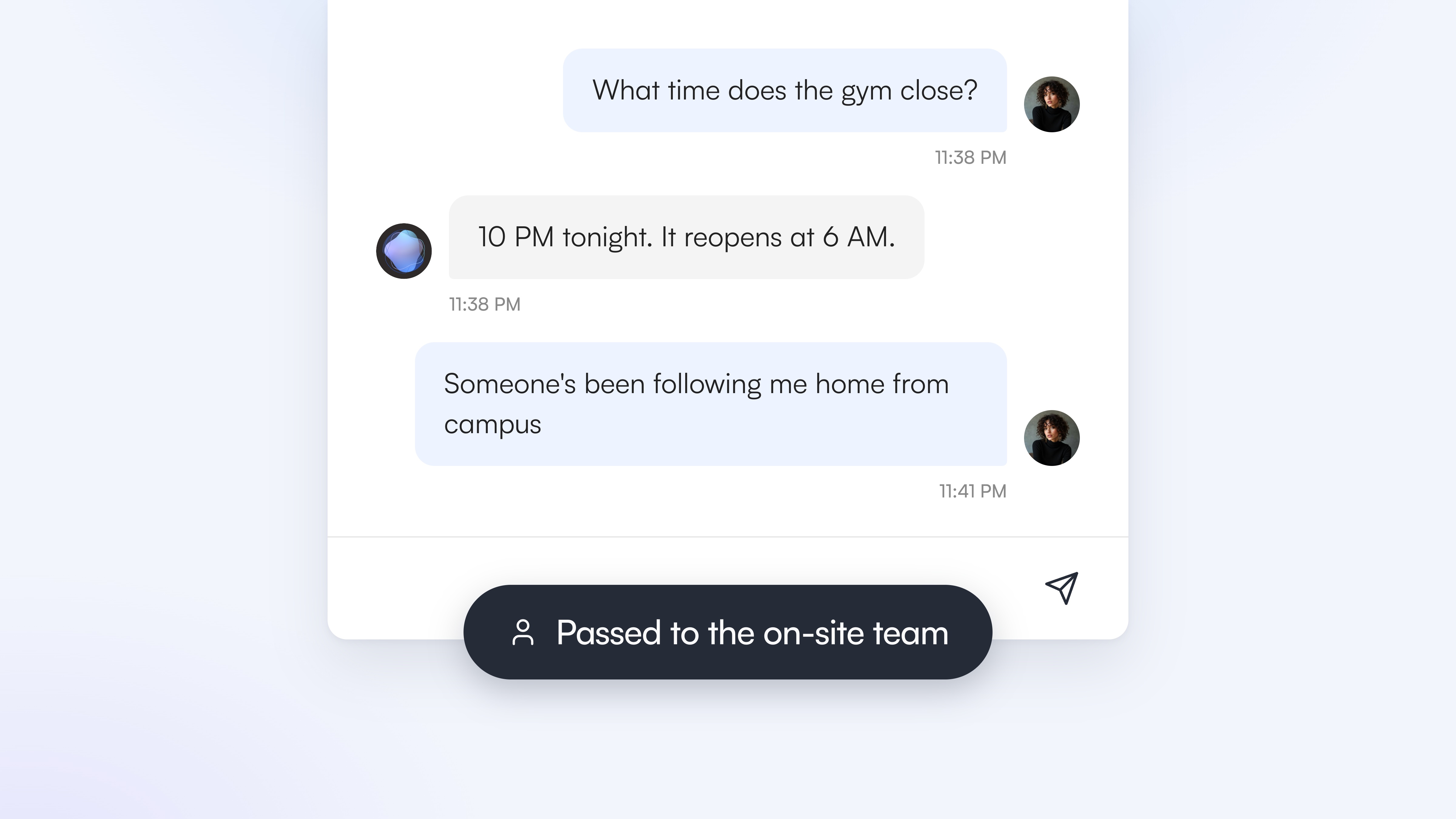
This is where conversational AI can provide significant support. A student can ask questions and receive approved information immediately, while more complex cases can be routed to the appropriate member of the lettings team.
September: Move From Lead Nurture to Resident Engagement
Once students have booked and moved in, the objective changes. The prospect becomes a resident. Communication should shift towards move-in support, building information, maintenance, community activities, resident services and important reminders.
This also marks the beginning of the next cycle. The strongest PBSA operators do not treat the leasing calendar as a loop that ends at move-in. They use the resident experience to inform future engagement, renewals and the next generation of prospective residents.
Where AI Fits Across the Student Leasing Calendar
AI is most useful when the communication strategy changes with the student's intent. An early-stage prospect may need educational content. A student actively comparing rooms needs availability and pricing. A student who has requested a viewing needs practical information. A student who has started an application may need help completing the next step. A student making a Clearing decision may need immediate answers.
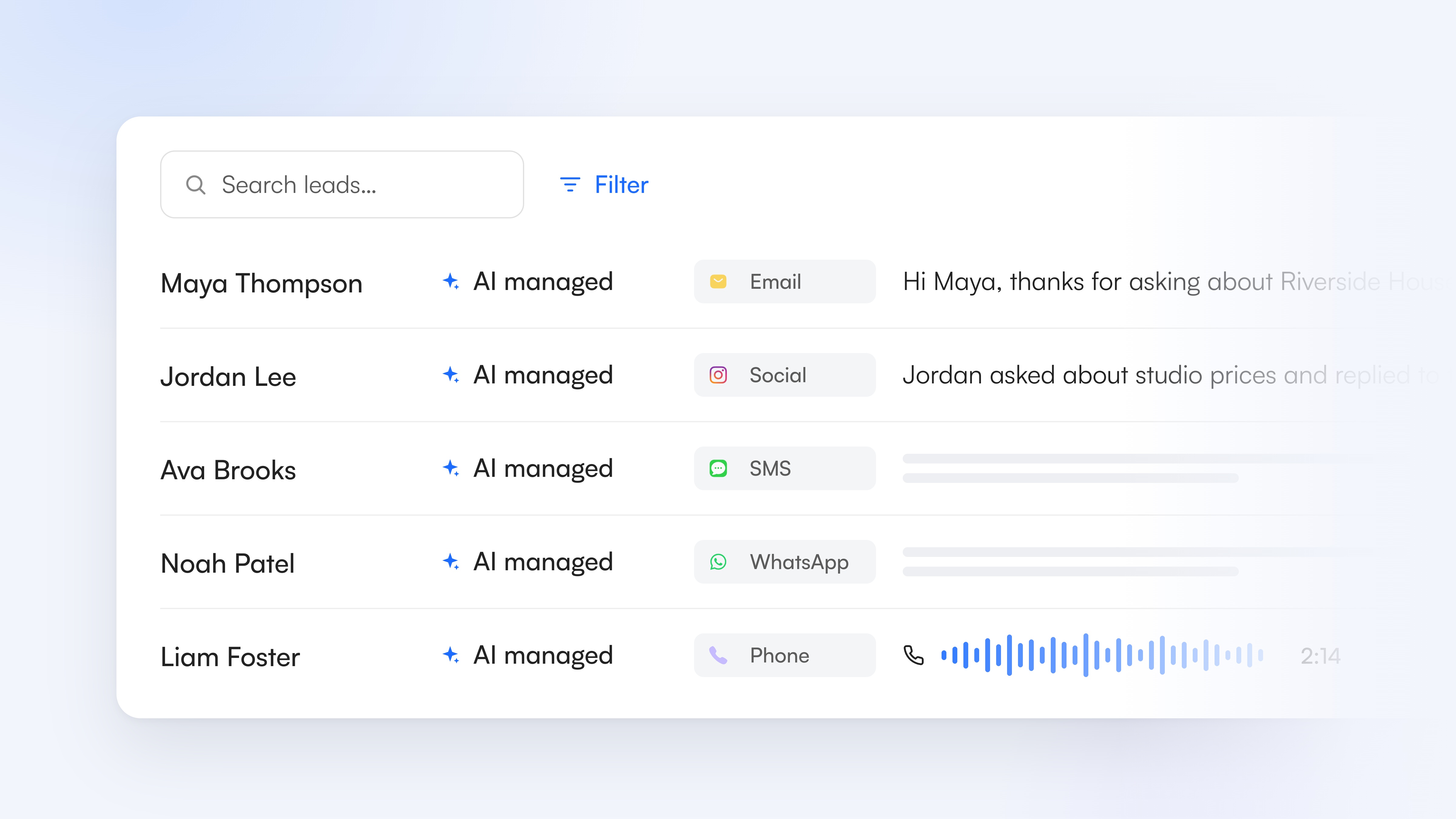
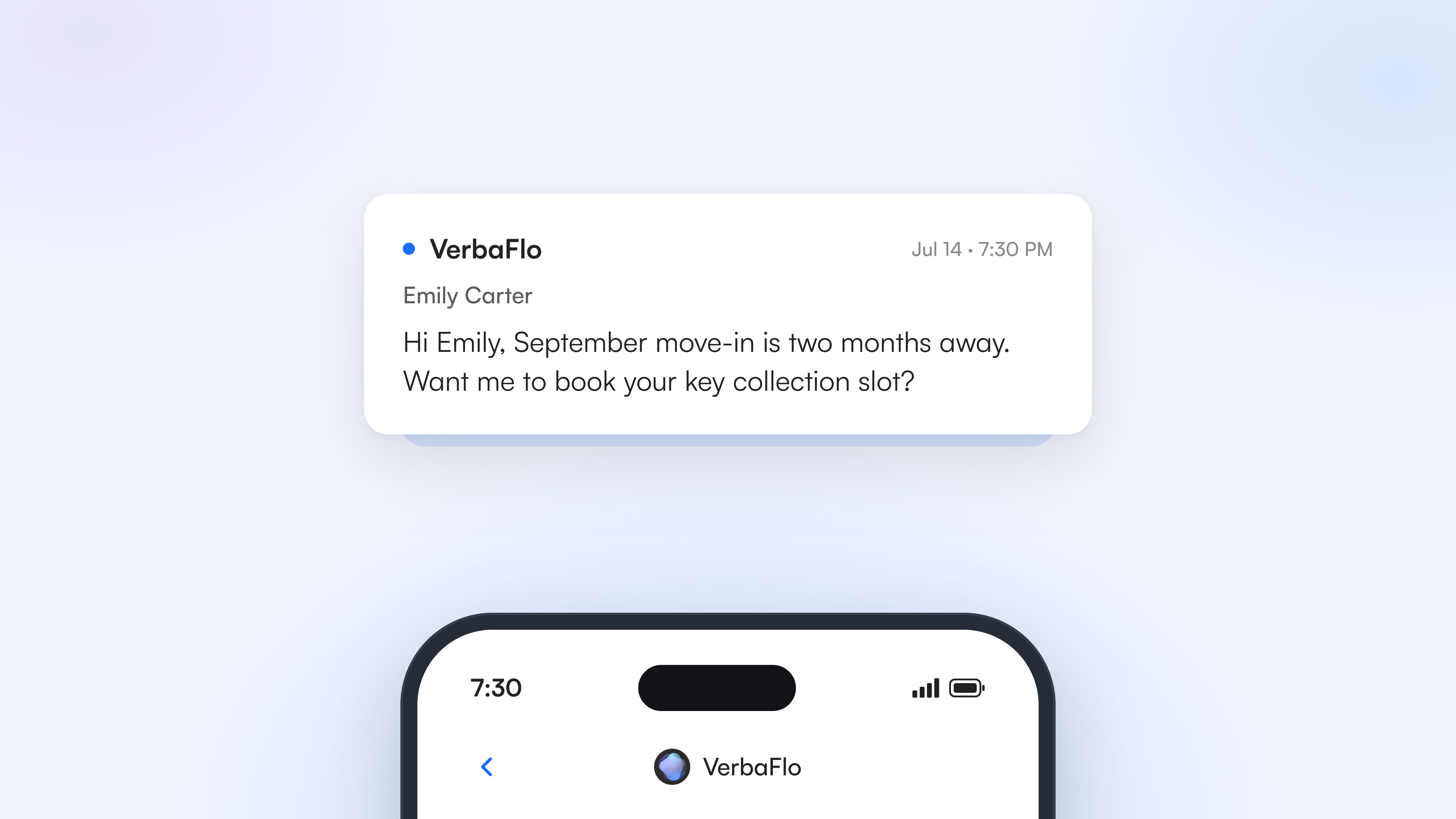
VerbaFlo can help UK PBSA operators manage these conversations across the student lifecycle, from initial enquiry and follow-up through to resident communication. Rather than relying entirely on fixed nurture sequences, operators can use conversational AI to provide immediate responses, maintain context and escalate conversations when human support is needed.
The Student Leasing Calendar Should Guide, Not Dictate, Nurture
No single month has every student ready to book. University choices differ. Intakes differ. Markets differ. Students also move between stages at different speeds. That is why the calendar should be treated as a framework rather than a rigid campaign schedule. The most effective approach combines the academic cycle with individual behaviour. The calendar tells operators what students are likely to be thinking about.
Bringing those two signals together allows PBSA operators to create a more responsive student housing lead nurturing strategy, keeping early-stage prospects engaged while ensuring high-intent students receive the attention they need when it matters. Book a demo to see how it works.