.avif)
Human Handover in AI Leasing: When to Automate and When to Step In
A prospect submits an enquiry at 9 PM on a Saturday. Your AI agent responds in seconds, qualifies them, and books a tour before the night is over. So far, the system is doing exactly what it was built to do.
Then Monday morning arrives. Your leasing agent picks up the thread and asks the prospect to confirm their move-in date, which the prospect already shared twice over the weekend. The tour never happens, and nobody on your team can quite explain why.
This is the new shape of leasing friction. AI has solved the speed problem at the top of the funnel, but a different problem has taken its place in the moment AI hands the conversation to a human. That handoff is now where leads quietly fall away, and recent multifamily research flags this exact transition as one of the main challenges operators face today.
The rest of this article breaks down that decision. It covers where AI should own the conversation and where a human needs to take over, then lays out how to design a handover workflow that holds the seam together.
What Human Handover Means in AI Leasing
Human handover is the point in a conversation where AI transfers control to a leasing agent.
In a well-designed system, the transfer includes the full conversation history and the prospect’s stated preferences, along with any actions already taken such as a tour booking or document request.
The prospect does not notice the transition. The agent picks up with complete awareness of where the conversation stands.
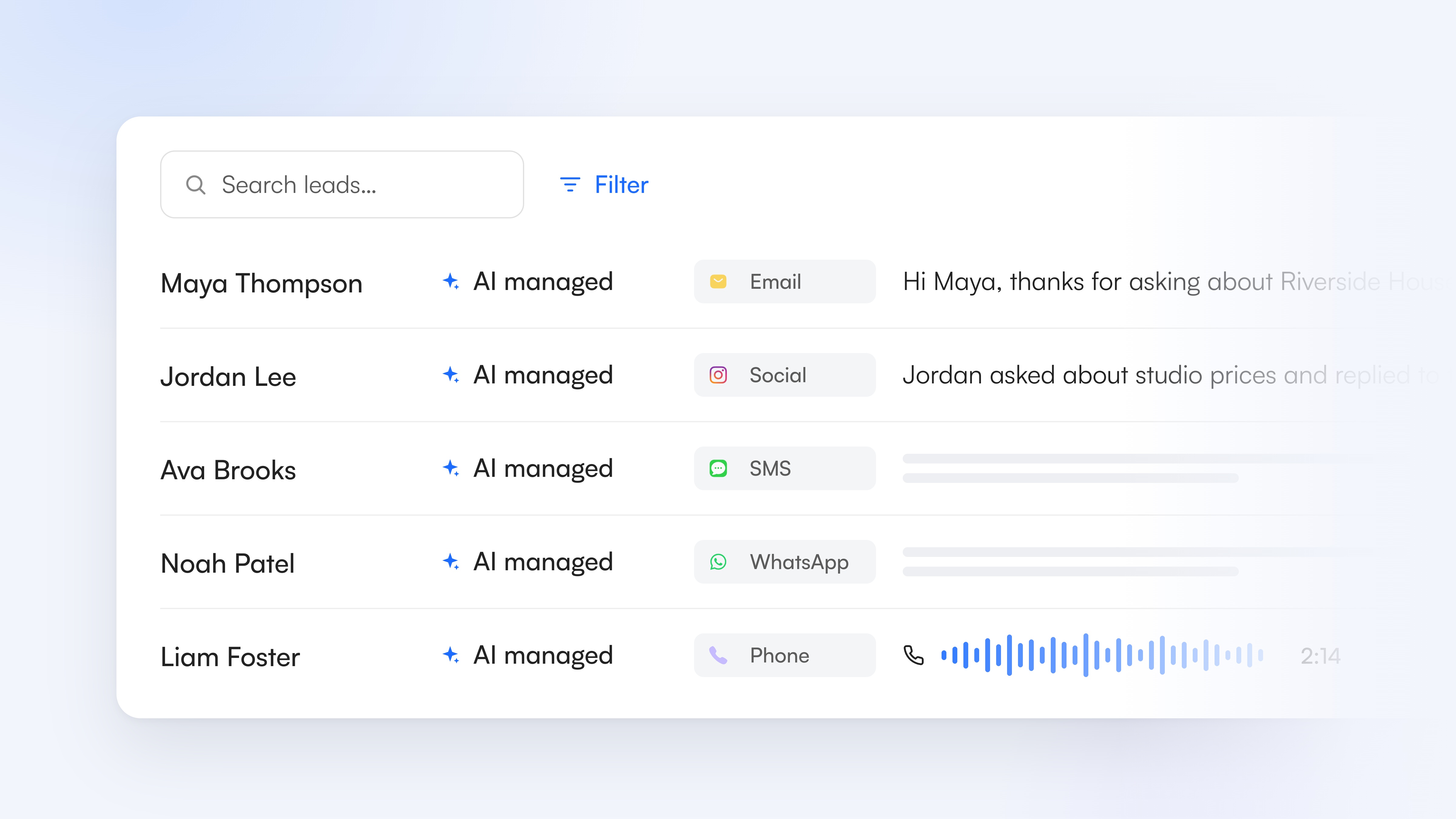
However, that's not always the case. In many cases, AI handles one channel while the leasing team manages another, with no shared record.
The prospect is asked to repeat what they have already said
The distinction matters. Handover is not a feature to tick off a list. It is an operational design decision that determines whether AI and human teams
When AI Should Handle the Conversation
A well-designed handover starts with clarity on which conversations AI should own outright. Across most leasing operations, four categories are repetitive, high-volume, and time-sensitive enough to stay fully automated.
These are the conversations AI is built for.
- After-hours and weekend enquiries: AI fields enquiries that arrive outside office hours, responds instantly, and moves the prospect forward before the next business day. For operators managing portfolios across time zones, this closes the after-hours gap.
- Repeatable qualification questions: AI handles the questions leasing teams answer dozens of times a day: budget, move-in date, unit size, pet policy, parking. These follow predictable patterns and do not require judgement. AI runs them consistently across every channel at any volume.
- Follow-up sequences and reminders: Tour confirmations, pre-visit details, and re-engagement nudges for cold leads. These benefit from consistency and precise timing rather than personal rapport.
- Basic property information requests: Amenity details, floor plan availability, and lease term options. These are factual queries with clear answers that AI can pull directly from the property management system.
When a Human Should Take Over
AI works best within defined boundaries. When a conversation moves beyond those boundaries, whether in complexity, sensitivity, or legal exposure, a human needs to step in.
Four scenarios consistently require that shift.
- Prospect objections and negotiation: When a prospect pushes back on pricing or asks about lease flexibility, the conversation has moved beyond information delivery into persuasion. AI cannot read tone or adjust strategy mid-conversation. This is where leasing agents earn their value.
- Edge cases and unusual requests: Accessibility accommodations, non-standard lease terms, or corporate housing arrangements. These fall outside standard scripts and often carry compliance implications. AI should flag and transfer rather than attempt to resolve.
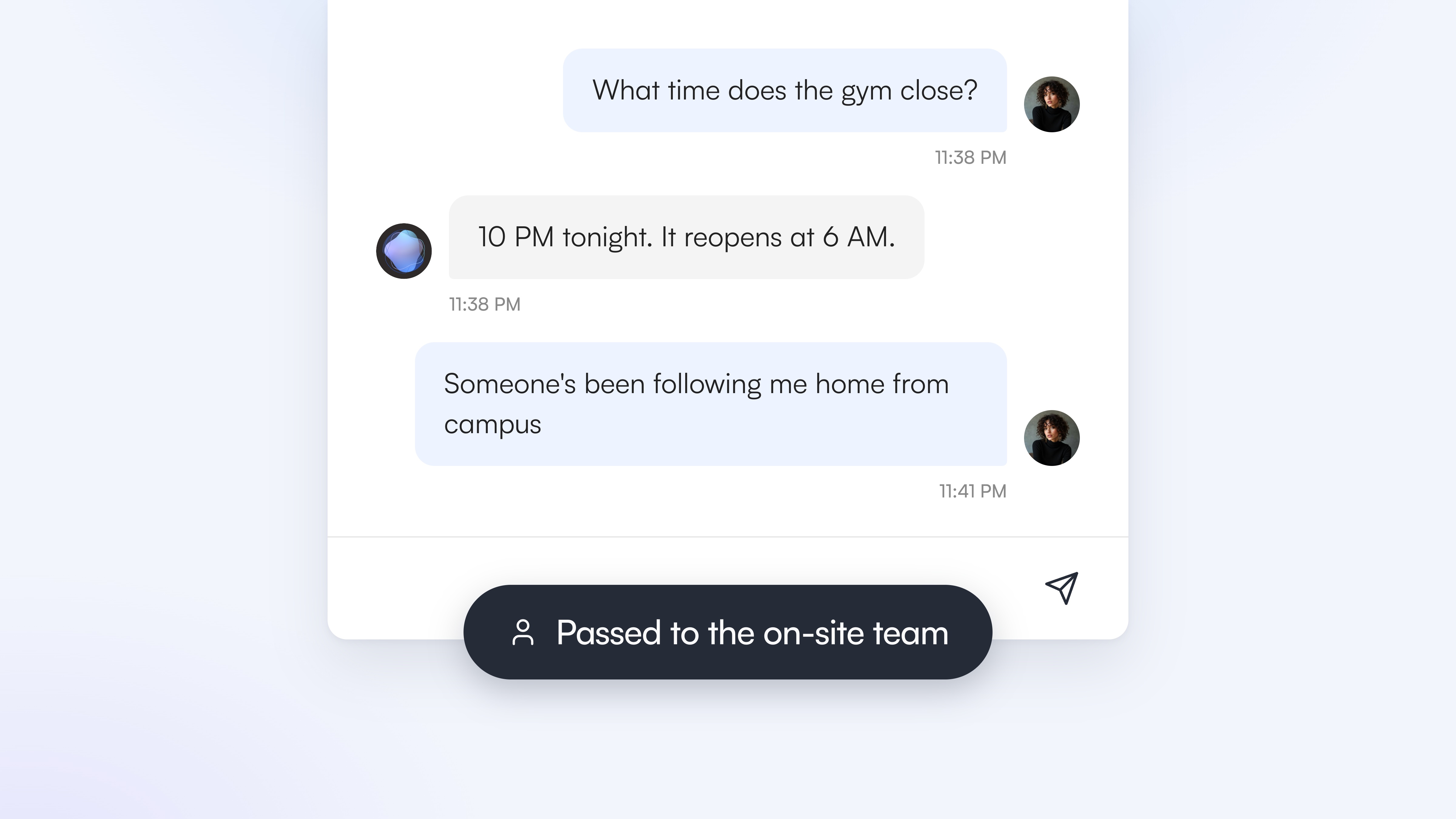
- Emotional or sensitive situations: A prospect expressing frustration or a resident raising a complaint, any interaction where empathy matters more than information. According to a March 2026 survey by Insights by Blueprint, multifamily professionals consistently emphasised using AI to support rather than replace human leasing teams, particularly in interactions that require judgement and personal engagement.
- Compliance-sensitive conversations: Fair Housing queries, disability accommodation requests, and screening criteria questions. These require trained staff who understand the regulatory framework. AI should transfer immediately with full context rather than attempt a response that could create liability.
The Risks of Poor Handover
Poor handover does not announce itself. It shows up quietly in prospect drop-off rates and in leases that stall without a clear reason. Three risks stand out.
The first is lost context. If your AI handles the initial conversation but the handover does not carry the full thread, the leasing agent starts from zero. The prospect repeats themselves. Your team wastes time re-qualifying, and the prospect loses confidence in the operation. In a market where renters contact multiple properties simultaneously, that friction is often enough to push them elsewhere.
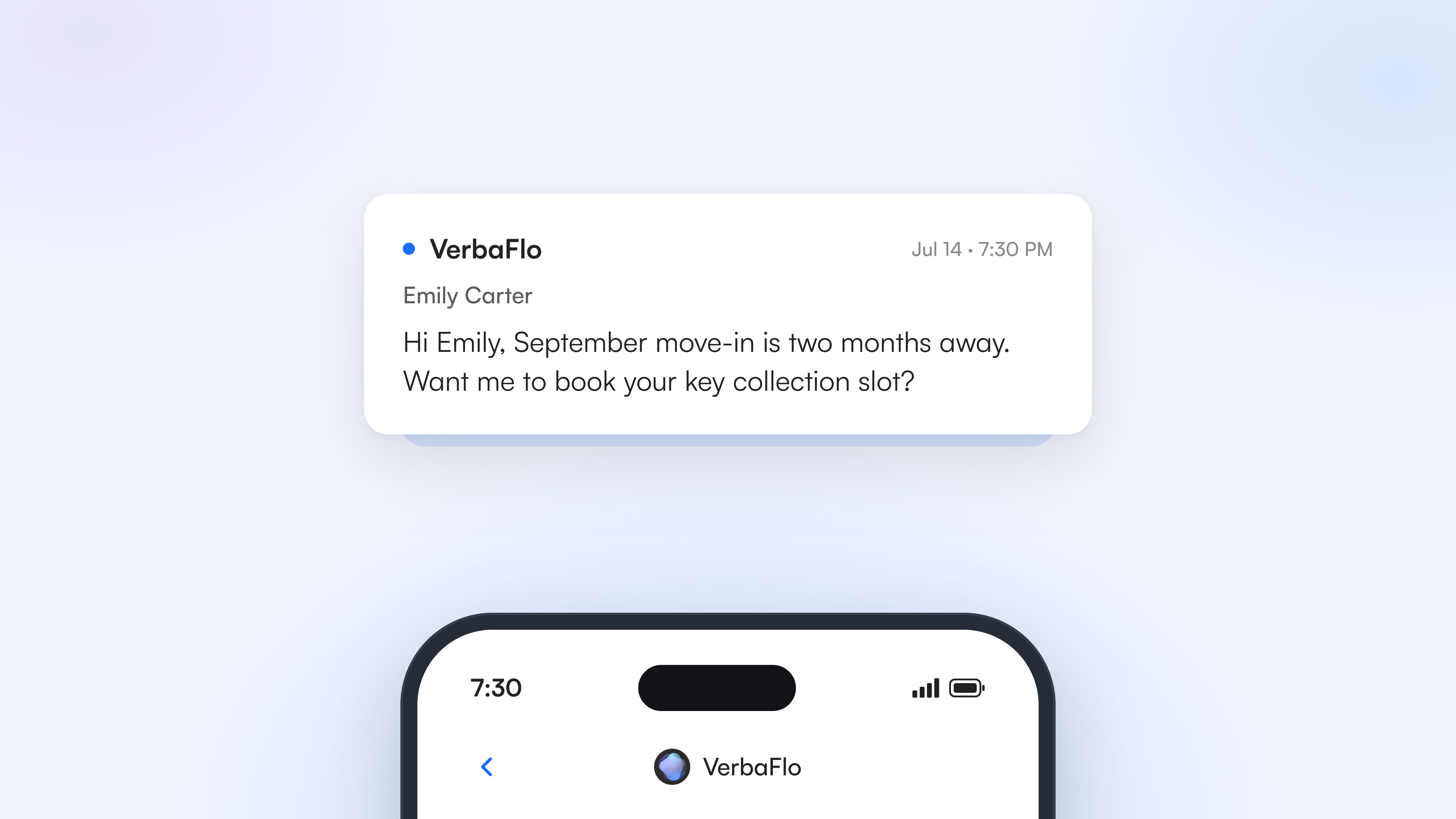
The second is duplicate or conflicting messaging. Your AI sends an automated follow-up while a leasing agent is already mid-conversation with the same prospect. Or the agent's response contradicts what AI communicated earlier. The prospect receives mixed signals, and your team is left making awkward corrections. This is not an AI failure. It is a workflow failure, and it is avoidable with proper handover logic.
The third is the cumulative drag on lease conversion. A prospect who experiences repeated questions or conflicting information during a handover is more likely to disengage entirely. The lease is not lost to a competitor's pricing. It is lost to friction in your follow-up process. Operators who recognise this pattern may find that the experience of early adopters confirms the same.
How to Design a Handover Workflow That Works
Effective handover is not a product feature. It is a workflow that operators design and refine over time. The following principles apply regardless of platform or portfolio size.
Step 1: Define your trigger conditions
Identify the specific conversation types that should route to a human. Objections, compliance queries, accommodation requests, and any interaction where AI confidence drops below a set threshold all qualify. Document these triggers and review them regularly. As your AI handles more conversation types, the boundaries will shift.
Step 2: Transfer the full conversation thread
Your leasing agent should see every message exchanged and the prospect's stated preferences, along with any actions already taken. If the prospect has to repeat themselves, the handover has failed. A complete thread is the minimum standard.
Step 3: Stop AI automation the moment a human takes over
Automated sequences must pause for that prospect as soon as a handover occurs. Duplicate messaging erodes trust faster than a slow response. Your system should suppress all AI-initiated contact until the human interaction is complete.
Step 4: Route to the right team member
Handovers should not land in a general inbox. Compliance questions go to a trained team member. High-intent prospects nearing application go to the closing agent. Match the routing logic to the reason for escalation, not to whoever happens to be available first.
Step 5: Log every handover for review
Record the trigger reason and the time elapsed before a human responded. This data allows your team to refine automation boundaries over time, expanding what AI handles where confidence is high and tightening handover where conversion data warrants it.
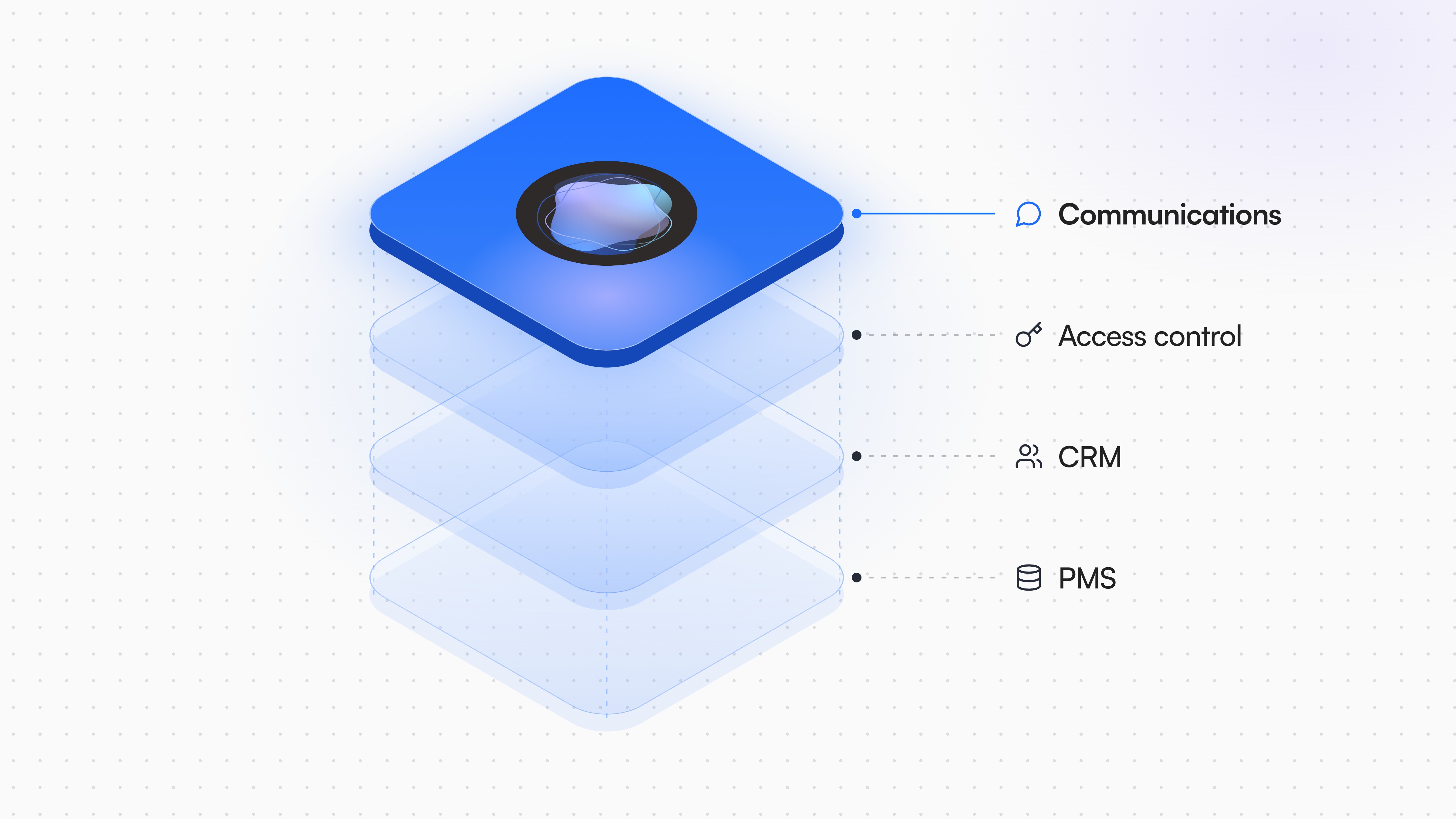
VerbaFlo, a conversational AI platform built for real estate operators, maintains a single conversation record across all channels so that every handover includes the complete interaction history. AI agents are trained to recognise escalation triggers and route conversations to the appropriate team member with full context attached, whether the prospect started on web chat, SMS, or WhatsApp.
Conclusion
The value of AI in leasing is not in replacing human conversations. It is in making sure the right conversations reach the right people at the right time, with full context.
Operators who design their handover workflow deliberately will convert more leads and deliver a more consistent prospect experience. Those who treat handover as an afterthought will lose both to friction.
Book a demo with VerbaFlo to see how AI and human handover works across your leasing workflow.