
How AI Handles Lease Renewals Without a Single Manual Follow-Up
For most property managers, every renewal season is the same. Follow-up calls pile up on calendars. Emails accumulate while they wait for answers. Meanwhile, great residents quietly decide to move out. While teams could easily prevent this turnover, rigid manual workflows make it difficult to take prompt, proactive action.
Implementing dedicated lease renewal automation is changing this dynamic. Today, AI handles outreach, personalises offers, addresses objections, and closes renewals through digital signing, all within a structured, trackable workflow. Property management companies that adopt an AI lease renewal framework for multifamily report faster resident decisions, fewer vacancies, and significantly lower operational overhead.
This article breaks down exactly how that workflow runs, what it takes to set it up well, and what to measure once it is live.
Why Manual Renewal Follow-Up Is Broken (And Costly)
Legacy property management teams designed manual renewal workflows for an era when resident expectations were lower and portfolios were much smaller. That model is no longer scalable without substantial risk and expense.
These inefficiencies are deeply systemic. It is impossible for a leasing team overseeing 200 or 300 units to consistently follow up with each expiring resident at the right time, via the right channel, and with the right message. All too often, outreach is generic, starts late, and ends after one or two attempts. As a result, properties fail to nurture undecided residents, and pressing maintenance or billing concerns are never promptly addressed.
The Real Cost of a Vacant Unit
The cost of vacancy is high. Marketing expenditure, leasing commissions, and make-ready fees typically range from $3,000 to $5,000 when acquiring a new resident. On top of that, a vacant apartment stops earning revenue for the days or weeks it sits empty between tenants.
Retention is far more economical. Across a portfolio, even a slight increase in renewal rates compounds. A 95% renewal rate looks very different if the 5% who left held your most valuable units, which is why renewal rate is best read alongside net revenue retention for a complete picture.
Where Manual Processes Break Down
Deploying automated lease renewal software eliminates these systemic failure points by executing your outreach strategy at scale, on a strict schedule, without ever dropping a thread.
The Full Renewal Workflow AI Can Own End-to-End
AI does not just send a single automated email and wait. It runs a coordinated, multi-step workflow that mirrors what an excellent leasing agent would do, at a pace and consistency no human team can maintain at scale.
While traditional AI predicts or classifies data, and generative AI drafts text, agentic AI goes a step further by coordinating complex, multi-step workflows. In real estate, this technology is transforming everything from back-office operations to resident communication. For instance, real estate teams are now deploying agentic AI across various functions:
- Acquisition diligence: ingests data-room documents, abstracts leases, validates rent rolls, and drafts investment findings memos.
- Lease abstraction: reads executed leases, extracts critical dates and rent steps, and automatically loads them into the lease-administration system.
- CAM reconciliation: gathers operating expenses, applies lease recovery formulas, drafts tenant statements, and flags variances.
- Covenant compliance: extracts covenant terms, recalculates financial metrics like DSCR and LTV, and flags potential breaches.
- Fund reporting: aggregates performance and valuation data to draft investor letters and commentary for financial controllers to review.
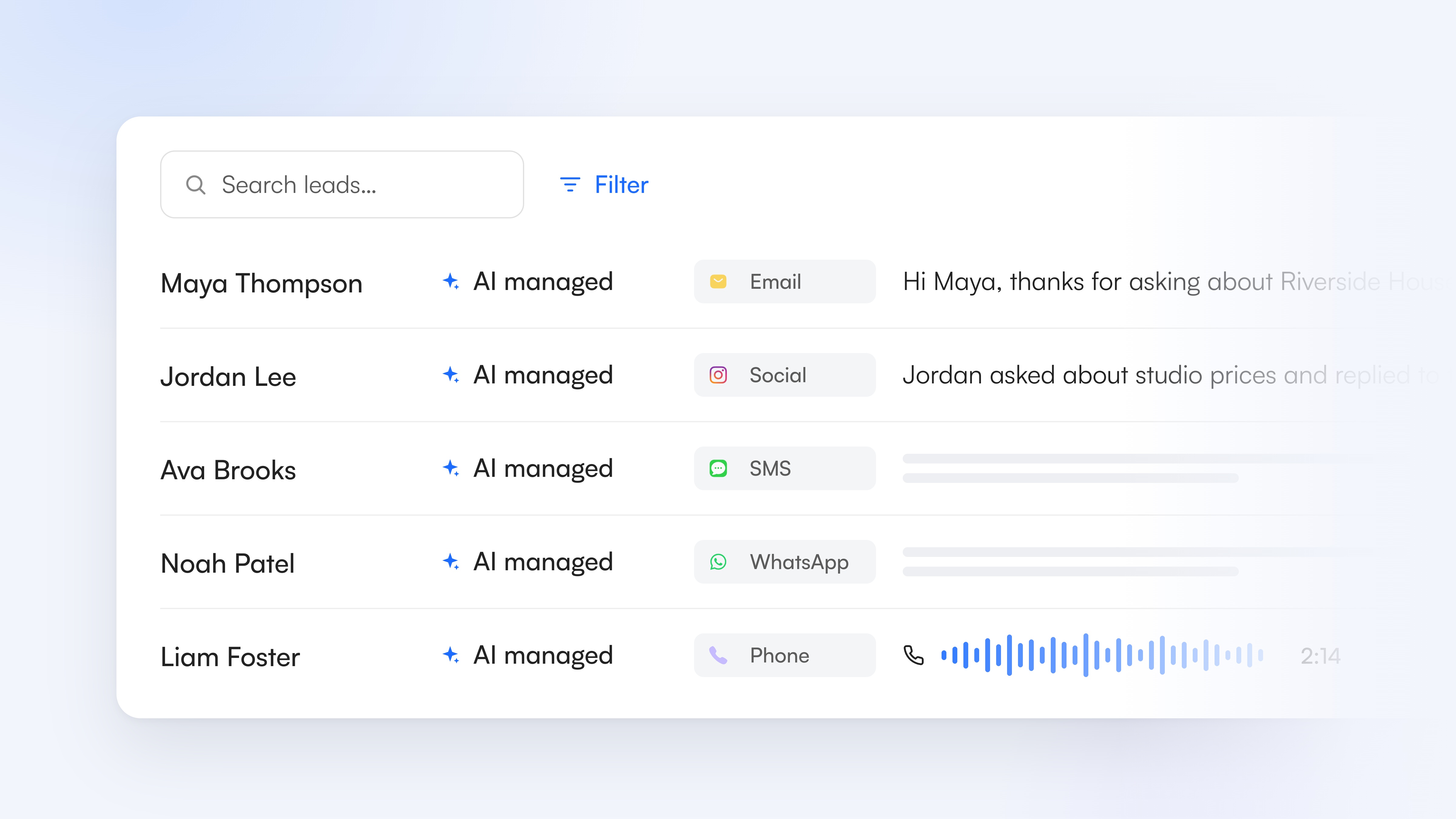
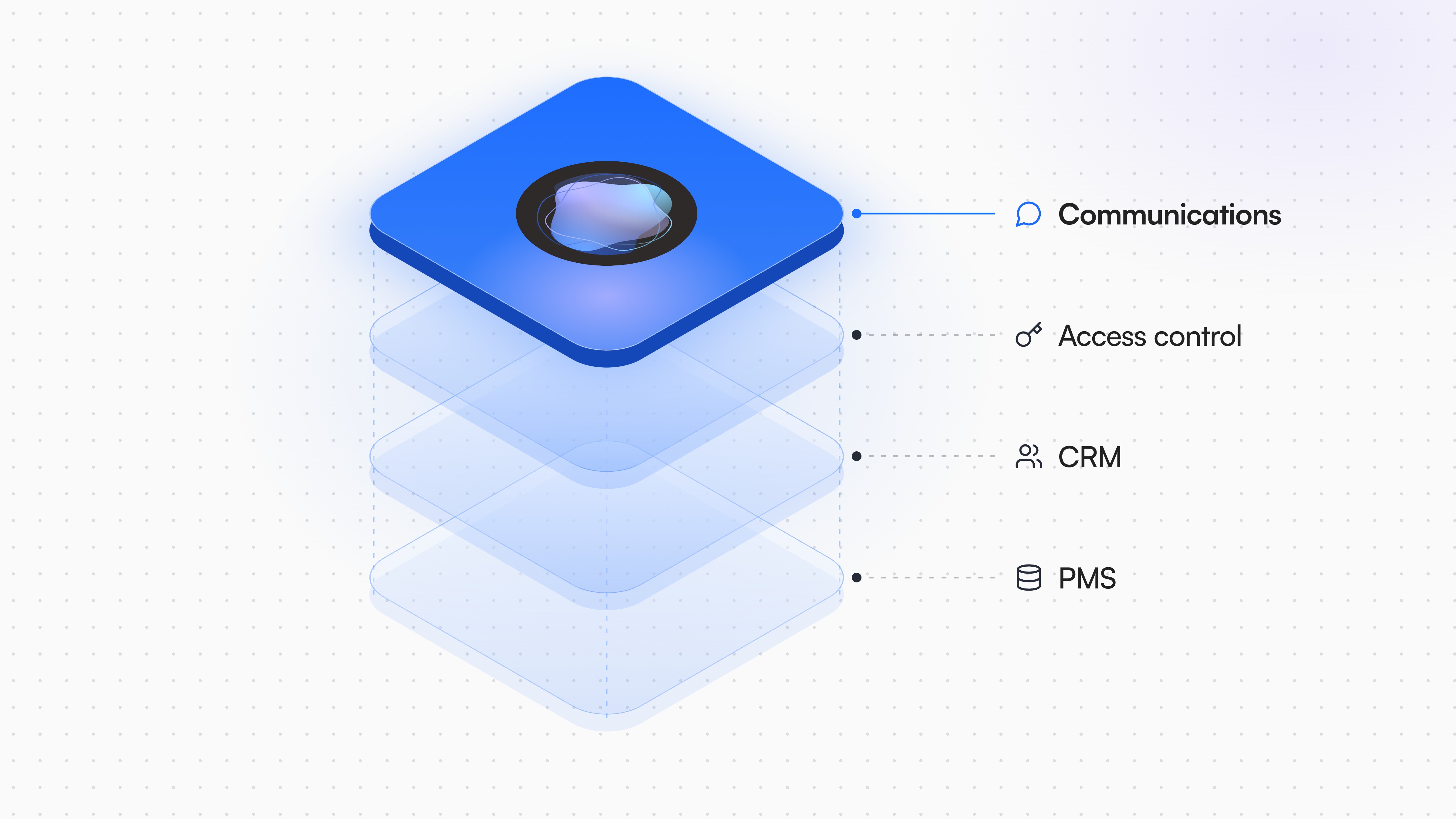
This same agentic capability powers advanced resident communication platforms like VerbaFlo. Built specifically for real estate operators across PBSA, BTR, and multifamily residential, VerbaFlo functions as a no-touch lease renewal AI system by managing the entire renewal journey end-to-end across voice, chat, email, and WhatsApp.
When to Start: Timing the Outreach for Maximum Conversion
Timing is where many renewal programmes quietly fail. Outreach that starts too late leaves too little runway. Outreach that starts too early lands before the resident has thought about their next step.
The goal is to reach residents when they are open to the conversation, before they start seriously looking elsewhere. That window varies by market and building type, but there are reliable principles that apply across most multifamily operations.
Recommended Outreach Timeline
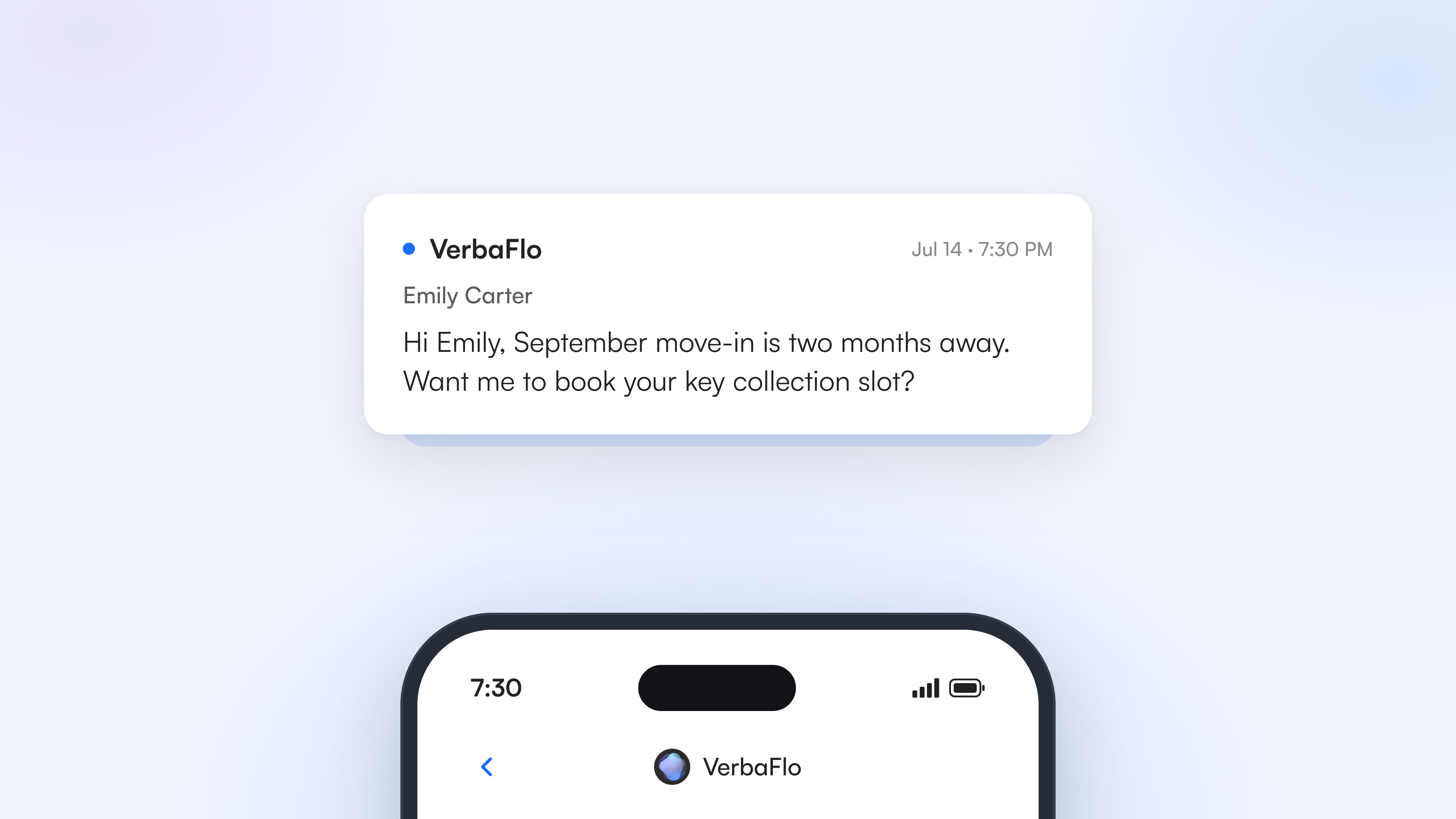
- 90 days before lease expiry: the ideal starting point for first contact. It is early enough to influence the decision before alternatives are seriously explored. The message at this stage is relational, not transactional. Check in on the resident's experience, signal that renewal is approaching, and open the door.
- 60 days before expiry: this is where the offer lands. The resident knows renewal is coming. Present a specific, personalised renewal proposal with clear terms and an expiry date on the offer.
- 30 days before expiry: for residents who have not responded or signed, this is the final-push window. Urgency is appropriate here. The messaging should reflect that time is running short and that you value their continued stay.
- Inside 30 days: human-assisted intervention is warranted for high-value residents still on the fence. AI has done its job. The team takes over with a relationship-level conversation.
AI-driven lease renewal automation tracks each resident's position in this timeline and triggers the right message at the right moment, without any manual scheduling. Every resident gets consistent, timely outreach regardless of team bandwidth.
AI for Offer Personalisation: The Right Deal for the Right Resident
A flat renewal offer sent to every resident is a missed opportunity. Residents who have lived in your building for three years and never missed a payment deserve a different conversation than someone completing their first year. AI makes that distinction at scale.
Integrating AI resident retention strategies directly into your workflows allows you to routinely outperform generic, one-size-fits-all email campaigns. The explanation is simple: even when the system producing the offers is fully automated, residents respond more favourably to offers that feel thoughtful than to generic ones.
Handling Objections and Negotiation Without Human Intervention
The renewal conversation does not always go smoothly. Residents push back on rent increases. They ask about upgrades or repairs that were never resolved. They mention they found somewhere cheaper nearby. These are not dead ends. They are negotiations, and AI can handle most of them.
The key is building your objection-handling logic into the AI's knowledge base before the campaign runs. That means documenting the most common resident concerns and crafting accurate, approved responses for each one.
Digital Signing and Lease Execution: Closing the Loop
Getting to a verbal or written agreement on renewal terms is progress. It is not a renewal yet. Deals frequently fall apart between the initial acceptance of an offer and the final lease execution, usually due to administrative friction or unnecessary delays.
By incorporating digital signing straight into the renewal process, automated lease renewal software bridges this gap. A signature link is sent to a resident via their preferred channel as soon as they accept an offer. No delay, no waiting for a PDF to be emailed by a leasing agent.
What the Signing Workflow Looks Like
- Immediate delivery. The lease document is created and sent for signature as soon as an offer is accepted. Without having to visit the office or download any software, the resident can sign on their phone in minutes.
- Automated reminders. The system sends a reminder at a set interval if the resident opens the document but does not finish signing. There is usually a final prompt after 24 and 48 hours before the offer expires.
- Confirmation and filing. Once signed, a copy of the lease and a confirmation message are sent to the resident, and the status updates automatically in your property management system.
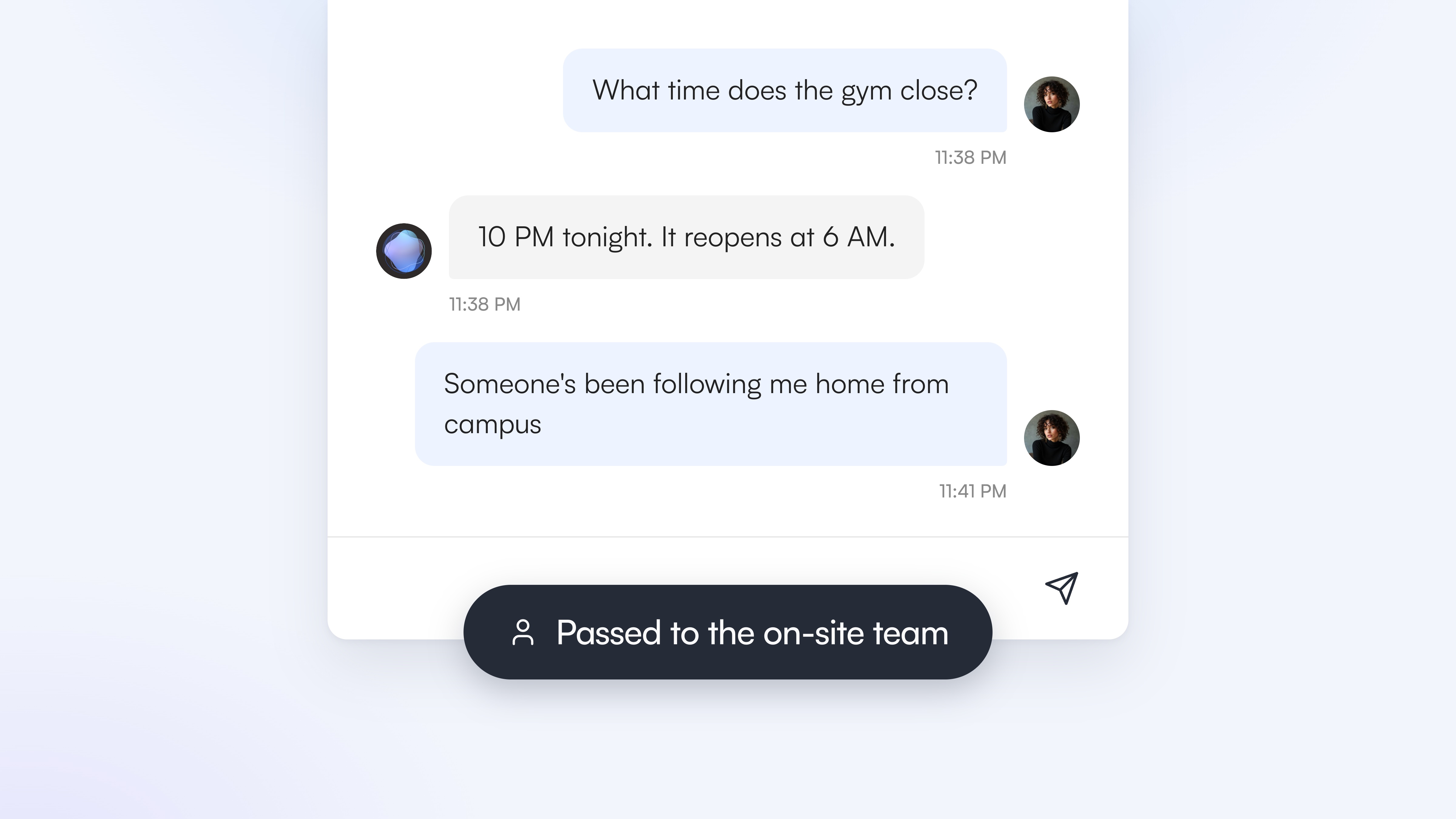
- Failed signing escalation. If the resident does not sign within the specified window, the case is marked for human follow-up, and the leasing team is fully aware of the current situation.
This structure eliminates the most frequent drop-off point in the renewal process, where residents who were prepared to sign did not finish because of difficulty or forgetfulness. Digital signing removes both of those obstacles.
Key Metrics: Renewal Rate, Time-to-Sign, and Cost per Renewal
Running AI-based lease renewal operations without tracking results is blind. Fortunately, automated systems produce clean data at every level, making it simple to monitor what is effective and where improvements can be made.
The Metrics That Matter
- Renewal rate: the primary indicator of programme health. It calculates the proportion of lease expirations that result in a signed renewal during the specified outreach period. Track this by building, unit type, and outreach cohort to determine where the workflow works well and where it needs adjustment.
- Time-to-sign: calculates the typical time between the first renewal outreach and the signing of a lease. A shorter time-to-sign means the offer lands well and the signing process is frictionless. A long time-to-sign indicates friction in the acceptance process, or an offer that is not strong enough.
- Outreach-to-response rate: measures the number of residents who respond to the initial renewal message. Low participation often indicates a timing issue or an unpopular message. Break this down by channel to determine whether WhatsApp, SMS, or email works better for your resident base.
- Objection resolution rate: measures how many raised objections were handled by AI without escalation. A high resolution rate means your knowledge base is well built.
- Cost per renewal: evaluates the number of renewals obtained against the overall cost of running the renewal workflow. Compare this to your previous cost per new lease to calculate the return.
These metrics compound over time. Each renewal cycle's data informs the next, making AI resident retention programmes more effective with every repetition.