Conversational AI can hold a fluent conversation about almost anything. Ask a generic assistant to explain a tenancy agreement and it will produce a plausible answer.
Ask it to tell a specific applicant whether their viewing is confirmed, what their rent balance is, or whether their Right to Rent check has cleared, and it cannot, because it does not know.
That gap is the whole difference between a generic conversational assistant and one built for lettings. The first handles language; the second handles the lettings workflow, its systems and its rules.
This article sets out what conversational AI means when the conversation is a viewing request, an arrears chase or a Right to Rent check, and why the vertical version is a different kind of tool.
Why "Conversational AI" Means Something Different in Lettings
Conversational AI, in the general sense, is software that understands and responds in natural language. The horizontal platforms that dominate the term, from the large cloud providers, are engines for building assistants, and they are genuinely capable at the language itself.
In lettings, the language is the easy part. The hard part is knowing what a viewing request actually requires, that an arrears conversation is legally constrained, or that a Right to Rent check is a statutory obligation with penalties attached. A conversation about a tenancy is only useful if the assistant understands the tenancy.
So a property-specific conversational assistant is defined less by how well it talks and more by what it knows and what it can do. It knows the workflow, connects to the systems that hold the answers, and understands where a conversation touches a rule.
That is a different design goal from a general-purpose engine, and it reflects how AI is being applied across real estate rather than bolted on.
What a Generic Conversational Assistant Can and Cannot Do
A generic assistant is strong where the task is pure language and weak where it needs facts or actions specific to a tenancy.
It does three things well. It understands a question phrased in ordinary language, it responds fluently, and it can explain general concepts, such as what a holding deposit is, from its training.
It cannot do the things that make a lettings conversation useful:
- It does not know the specific answer: it cannot say whether this flat is available, what this tenant owes, or when this viewing is booked, because it has no connection to the systems that hold that information.
- It cannot take an action: it cannot book the viewing, log the maintenance request or send the compliant reminder, because it is a language engine, not a workflow one.
- It does not know the rules: it has no awareness that an arrears message must be proportionate, or that a Right to Rent check is a legal step, so it cannot be trusted near either.
The result is an assistant that sounds helpful and is not. It can discuss a tenancy in the abstract while being unable to do anything about a real one.
What Makes a Conversational AI Property-Specific
A property-specific assistant closes each of those gaps. It is built around the lettings workflow rather than adapted to it, which shows up in four ways.
- Domain knowledge: it understands the concepts of lettings, from holding deposits to renewal windows to the difference between a viewing and a check-in, so it interprets a question the way a negotiator would.
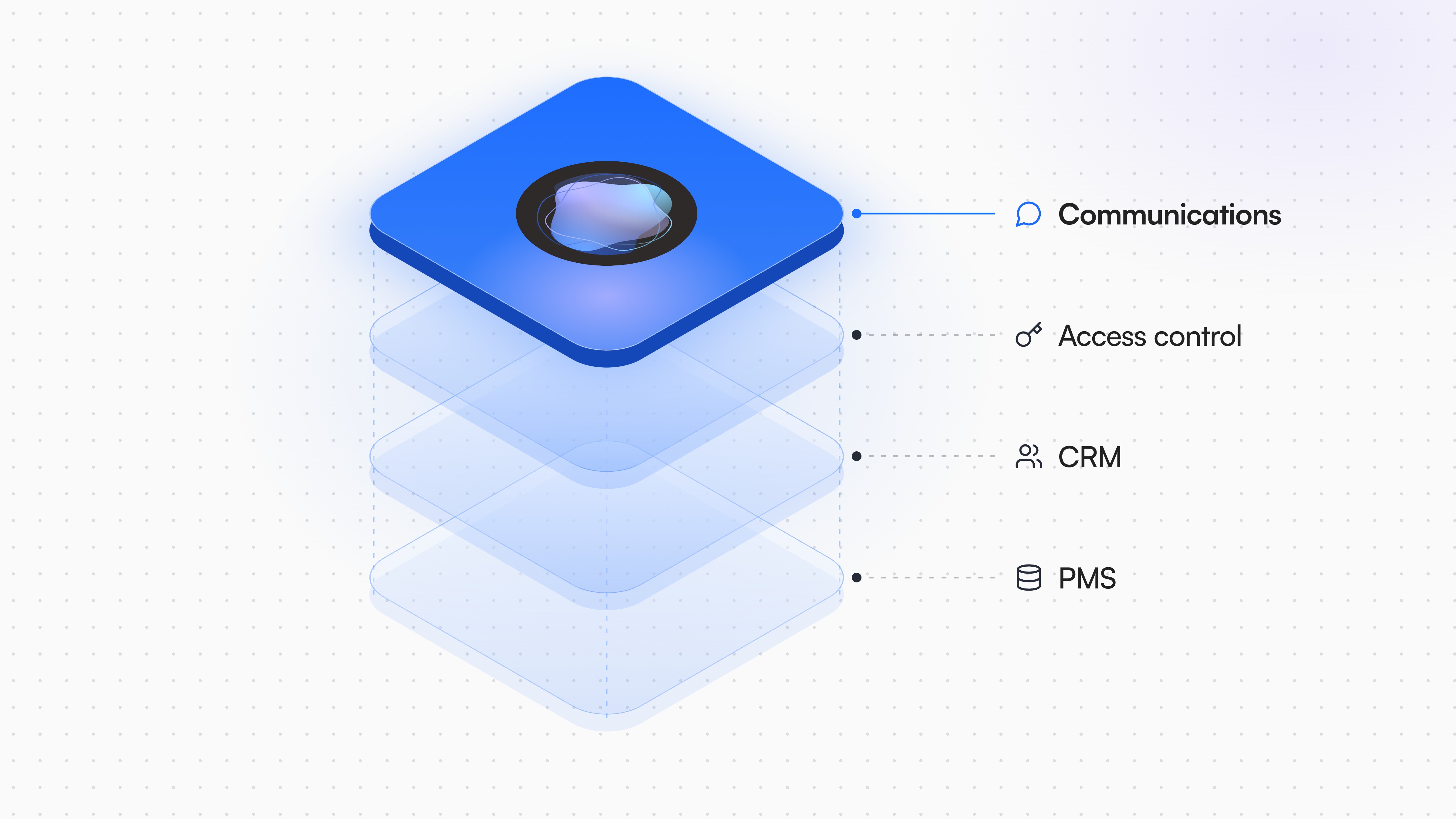
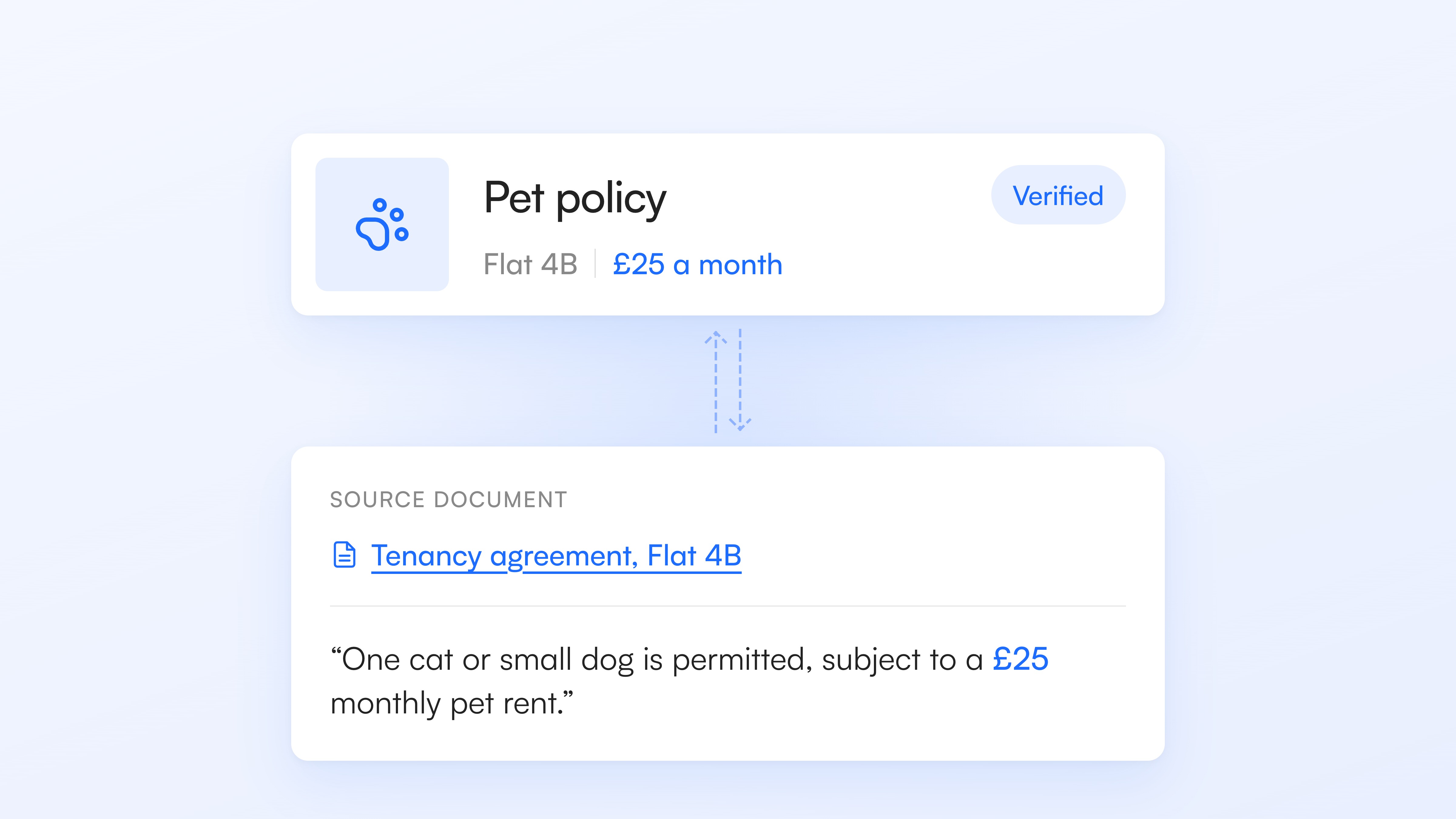
- System integration: it connects to the PMS or CRM that holds the records, so it can answer with the actual availability, the actual balance, the actual booking, rather than a generic reply.
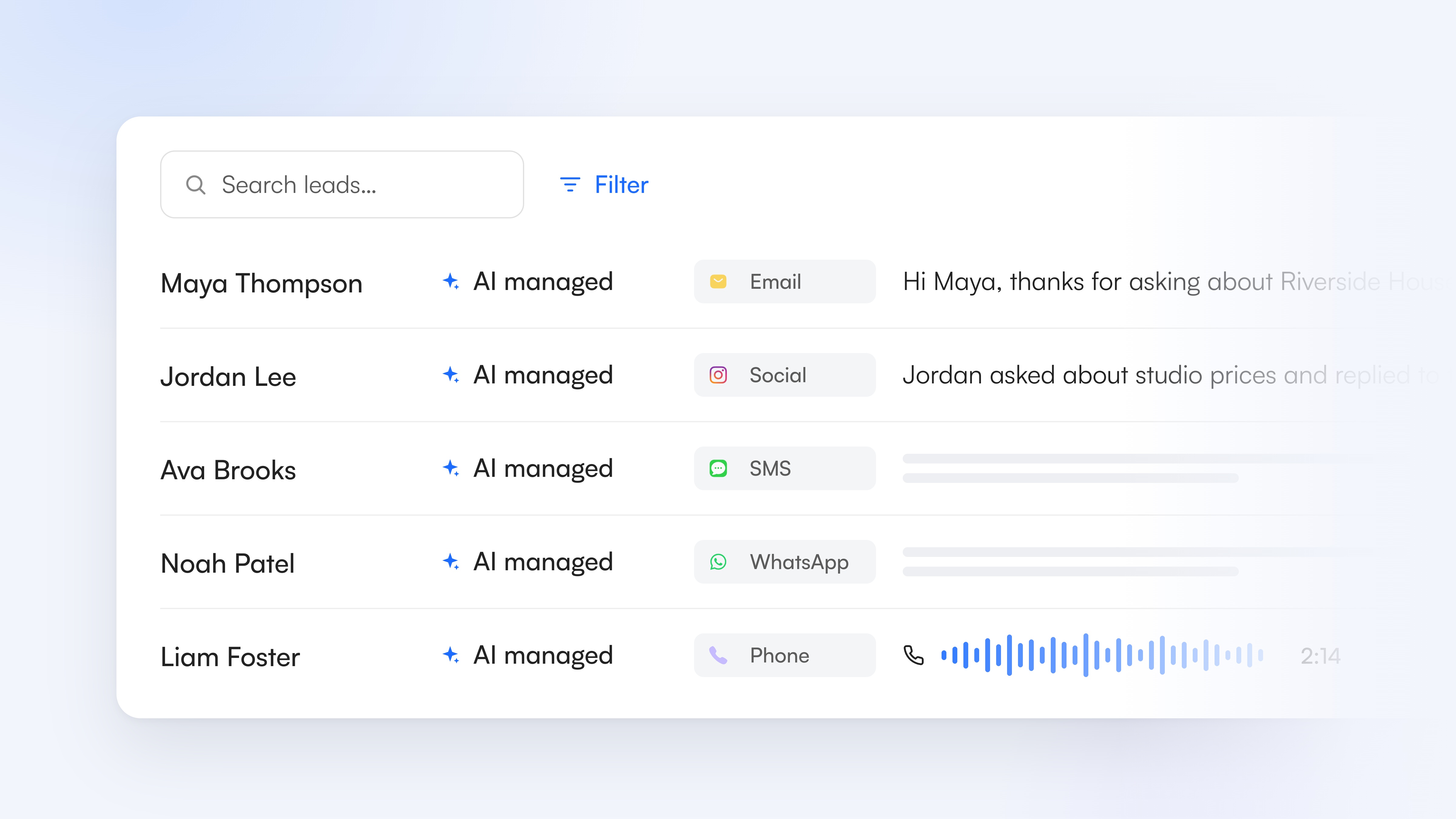
- Channel coverage: it handles the conversation wherever it happens, on webchat, WhatsApp, email or voice, because a lettings enquiry arrives on all of them.
- Rule awareness: it knows which conversations are regulated, so an arrears message stays proportionate and a Right to Rent conversation supports the legal check rather than trying to replace it.
The difference lies in connection rather than eloquence. A property-specific assistant is wired into the reality of the tenancy and knows the rules that govern it.
The Conversations That Actually Happen in Lettings
The distinction becomes concrete in the conversations a lettings assistant actually has. Four are typical, and each demands something a generic assistant cannot give.
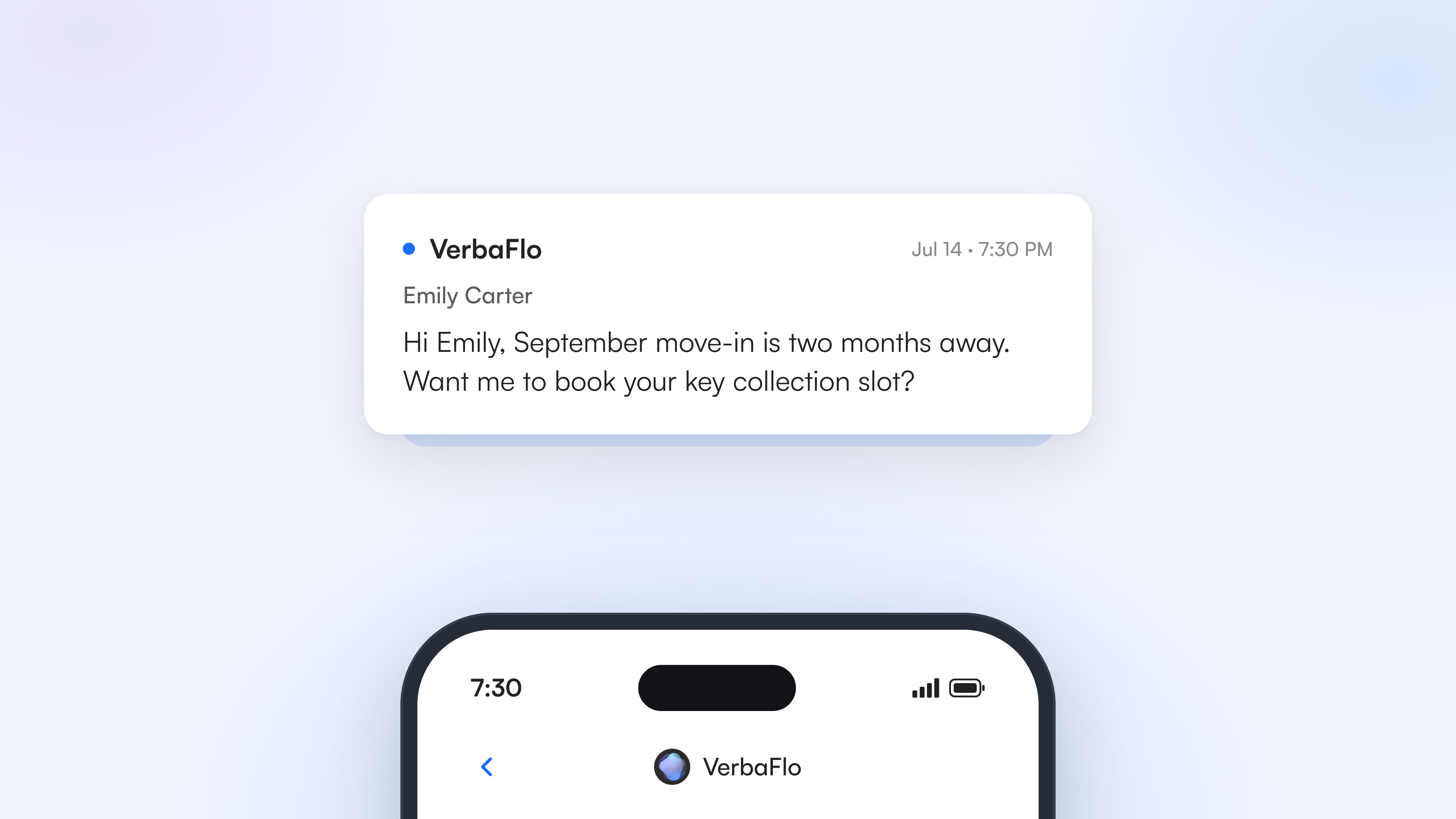
A viewing request needs the assistant to check real availability, offer genuine slots, book one into the diary and confirm it. A generic assistant can discuss viewings; a property-specific one can arrange the one being asked about.
An arrears chase needs the assistant to know the balance, send a reminder that is proportionate and compliant, and, crucially, escalate anything sensitive to a person. Arrears contact is legally constrained, so this is a conversation a generic tool should not attempt.
A Right to Rent check is a UK legal requirement. Landlords and letting agents in England must carry out the check before the tenancy begins, and getting it wrong carries penalties. A property-specific assistant helps by collecting documents and prompting the tenant, while the check itself stays with the agent, where the law puts it.
A maintenance report needs the assistant to log the issue, triage it and keep the tenant updated, which means writing to the system of record rather than merely acknowledging the message.
Where the Human Still Belongs
Naming what a property-specific assistant can do makes it easier to name what it should not. The line falls at consequential decisions, the ones that carry legal or financial weight.
Tenant caution reinforces the point. Goodlord's 2025 State of the Lettings Industry Report found that 59% of tenants would not feel comfortable speaking to an AI bot, with a further 20% unsure. That caution is a strong reason to make the route to a person easy and obvious, rather than a reason to avoid automation.
Three kinds of decision stay human. Whether to grant a tenancy is a regulated judgement governed by fair housing and equality law. How to escalate an arrears case is a decision with legal consequences for someone's home. And the Right to Rent determination itself is a statutory responsibility the agent cannot delegate to a model.
The assistant handles the conversation and the coordination around each of these, while the decision belongs to a person.
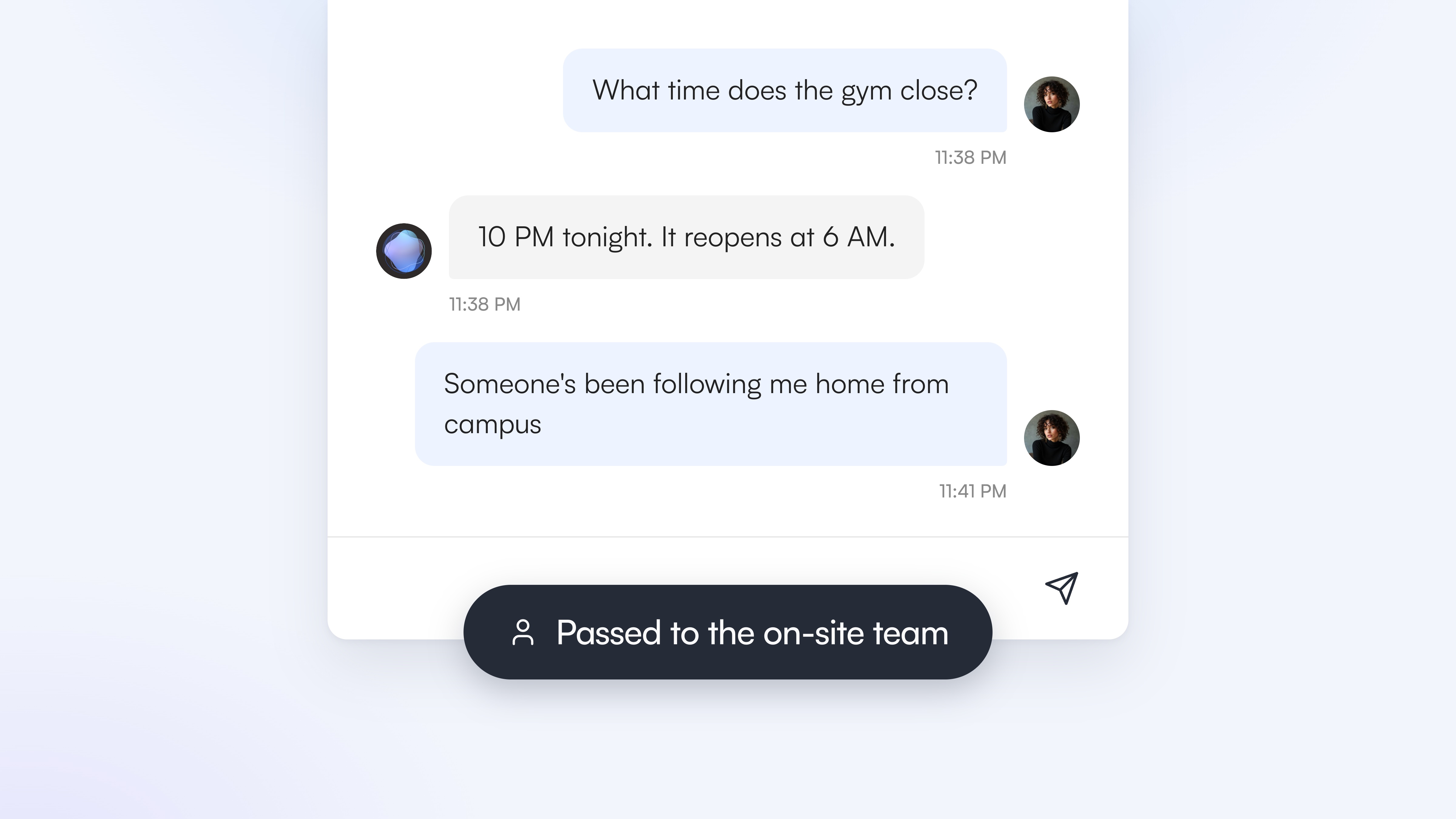
A good property-specific assistant is therefore built to hand over cleanly, carrying the full history so the tenant does not repeat themselves. Handover is the design working as intended, rather than a failure of the automation.
How VerbaFlo Is Built for Lettings Conversations
The thread through this article is that a lettings assistant needs to know the workflow, connect to the systems and understand the rules, which is what separates a property-specific tool from a generic one.
VerbaFlo is a conversational AI platform built for residential real estate rather than adapted from a horizontal one:
- Built for the workflow: it handles enquiries, qualification and viewing bookings and the routine of the tenancy, understanding what each conversation actually requires.
- Connected to the systems: it sits on top of the CRM or PMS an operator already runs, so it answers from real records rather than generic knowledge.
- Built to hand over: it passes a conversation to a person with the full history whenever a situation needs judgement, keeping the regulated decisions where they belong.
The point is fit. A generic assistant can talk about lettings; VerbaFlo is built to do the work and to know its limits. See how it handles your conversations. Book a demo.