
A property enquiry rarely arrives at a convenient time.
A buyer may call while an agent is conducting a viewing. A renter may enquire about a property after work. A landlord may need an urgent update outside office hours. For estate and letting agencies, those calls can represent a valuation, viewing, instruction or new tenancy.
When nobody answers, the caller may simply try another agent. This is why real estate answering services have traditionally been used to provide coverage when property teams are unavailable. But in 2026, businesses have more options than a traditional human answering service. AI receptionists, conversational AI, virtual receptionists and hybrid human-AI models can all handle incoming enquiries.
So, is a real estate answering service still worth it in 2026?
For many property businesses, yes. But the right solution depends on call volume, enquiry complexity, required coverage and how much of the conversation you want to automate.
What Is a Real Estate Answering Service?
A real estate answering service handles incoming calls on behalf of property businesses when their own teams cannot answer.
Depending on the provider, this can include:
- Answering calls in the business's name
- Capturing caller details
- Handling property enquiries
- Qualifying buyers, sellers, tenants or landlords
- Scheduling appointments
- Booking property tours or viewings
- Transferring calls to staff
- Taking messages
- Providing after-hours coverage
For US businesses, this may be described as a realtor answering service or real estate answering service. In the UK, the equivalent is often estate agent call answering or a telephone answering service for estate and letting agencies.
The basic purpose is the same: ensure a potential customer does not reach voicemail simply because the team is unavailable. Modern AI services are extending this beyond message-taking. Some can qualify callers and book appointments directly, while UK-focused AI receptionists are increasingly designed around property enquiries and viewing requests.
What Does a Real Estate Answering Service Handle?
Coverage depends on the service, but property businesses typically use answering services for several recurring types of calls.
Property enquiries
Callers may want information about availability, pricing, property features, location, lease terms or other basic details.
Viewing and tour requests
A caller who has just found a property may want to arrange the next available appointment immediately. In the UK, this usually means booking a viewing. In the US, it may be called a tour or showing.
Buyer and seller enquiries
Real estate teams can use answering services to capture information from prospective buyers and sellers before passing qualified opportunities to an agent.
Tenant and landlord enquiries
Lettings and property management businesses may receive calls about applications, maintenance, tenancy information, inspections and other routine matters.
After-hours calls
Evening and weekend coverage is particularly useful because property enquiries do not necessarily follow office hours. UK AI answering providers, for example, specifically position 24/7 coverage around viewing and property enquiries arriving outside traditional office hours.
The important distinction is whether the service simply takes a message or actually moves the enquiry forward. A message asking someone to call a prospective tenant back still leaves work for your team. A system that answers the question, qualifies the enquiry and books the next step can remove much more of that workload.
How Much Does a Real Estate Answering Service Cost in 2026?
In the US, telephone answering services are classified under NAICS 561421 by the US Bureau of Labor Statistics, highlighting that outsourced call answering is an established business service rather than a niche real estate offering.
In the UK, government guidance on business expenses identifies running costs for business premises, including rent, utilities, business rates, property insurance, security, cleaning, repairs and maintenance.
The cost therefore depends on:
- Number of incoming calls
- Average call duration
- Hours of coverage
- Whether you need 24/7 answering
- Human or AI handling
- Appointment scheduling
- CRM or calendar integration
- Lead qualification requirements
- Call transfers and escalation
Human Answering Service vs AI: Which Is Better?
The biggest change in 2026 is that property businesses no longer have to choose between answering calls themselves and outsourcing every call to a human receptionist.
AI has a different advantage: availability and scalability. It can answer multiple enquiries simultaneously, follow predefined workflows and continue operating outside office hours without adding another shift to the team.
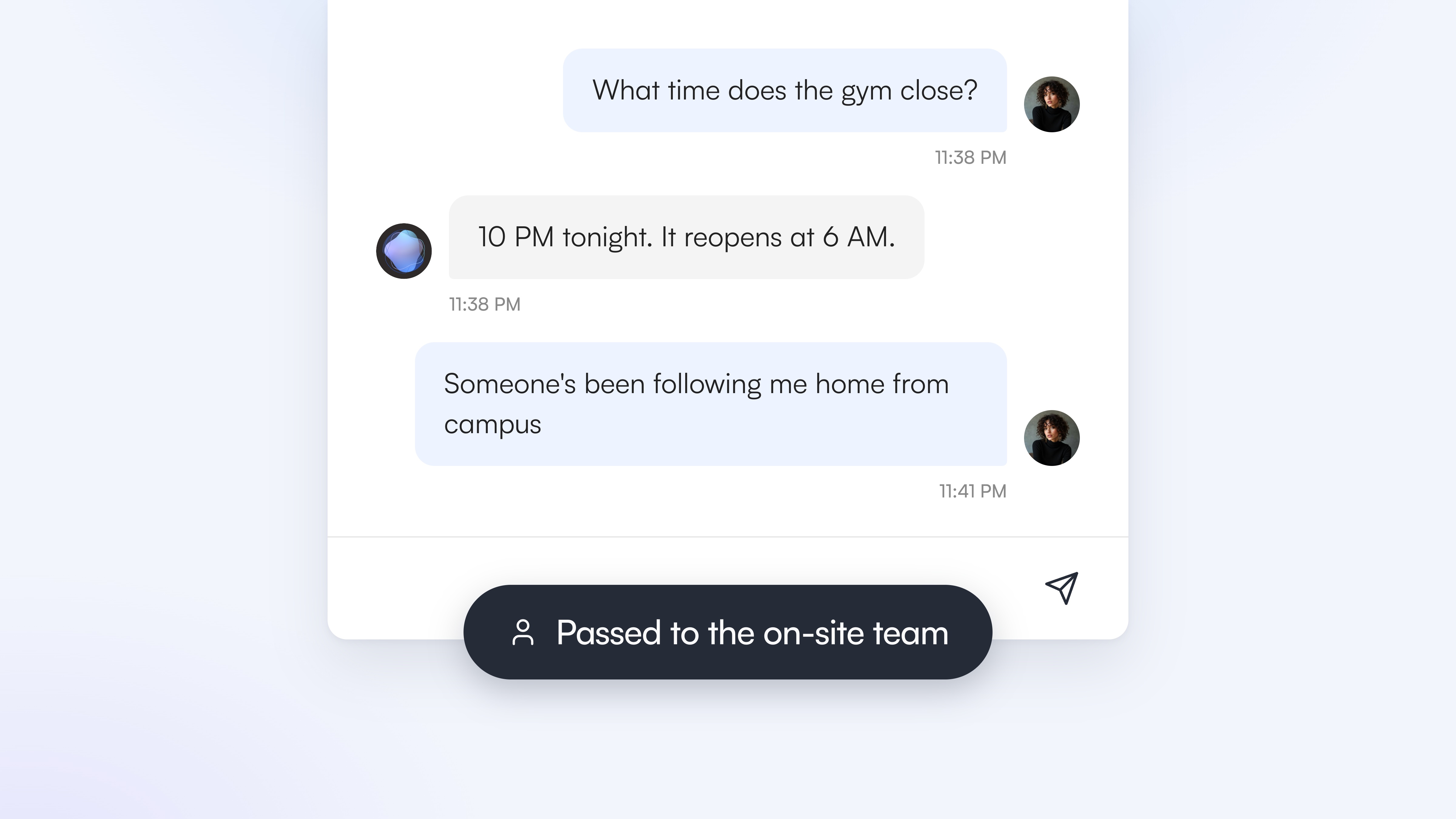
The choice therefore is not necessarily about replacing one with the other. For many property businesses, a hybrid model can make more sense. AI handles routine property enquiry call handling, qualification and appointment booking, while complex or sensitive conversations are transferred to a person.
Real Estate Answering Service vs Virtual Receptionist vs AI
An answering service is also no longer the only alternative to an in-house receptionist.
In-house receptionist
A dedicated employee provides the highest degree of human involvement but comes with salary, training, holiday and staffing costs. It also does not automatically provide 24/7 coverage.
Virtual receptionist
A virtual receptionist for real estate provides human or technology-assisted call handling without requiring a receptionist to be physically based at the property office. This can be useful for smaller agencies that need professional call coverage without a full-time employee.
AI receptionist
An AI receptionist can answer calls, capture information, qualify enquiries and, depending on the system, schedule appointments and escalate conversations.
Chatbot or live chat
Website chat can handle digital enquiries without requiring the prospect to call. However, it only captures people who choose to use that channel.
Hybrid AI and human
AI handles routine conversations and routes situations requiring judgement to the right team member. This combines the availability of automation with the flexibility of human support.
Is a Real Estate Answering Service Worth It in 2026?
For a property business that regularly misses calls, yes. The strongest business case is not simply that someone answers the phone. It is what happens after the call is answered.
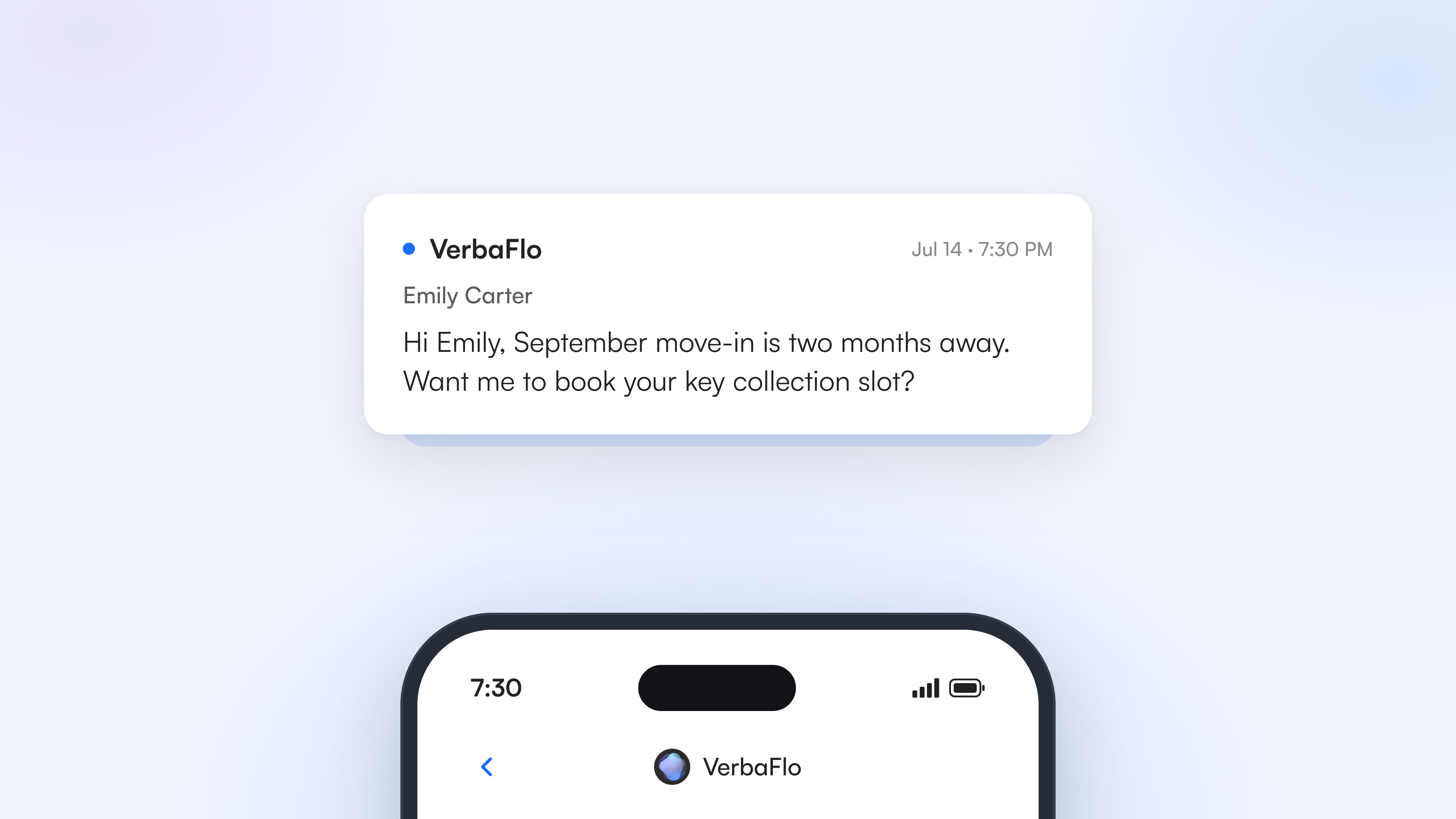
If a prospective tenant calls about a property at 8pm and receives no response, the opportunity may disappear. If the call is answered, the enquiry is qualified, and a viewing is booked, the same call has moved the prospect further through the leasing journey.
The value becomes particularly clear for businesses dealing with:
- High enquiry volumes
- Evening and weekend calls
- Multiple agents or properties
- Frequent viewing requests
- Small teams with limited phone coverage
- Prospects who expect immediate responses
If most calls involve predictable questions and straightforward next steps, AI can potentially provide broader coverage at a lower operating cost. If conversations frequently involve negotiation, complex property questions or sensitive customer situations, human involvement remains important.
What Should You Look for in a Real Estate Answering Service?
Before choosing a provider, look beyond 24/7 call coverage. Consider whether the service can:
- Answer calls using your business information and brand voice
- Handle property-specific enquiries
- Qualify prospective buyers, sellers, tenants or landlords
- Book tours, viewings or valuations
- Integrate with your calendar or CRM
- Transfer complex calls to your team
- Maintain conversation history
- Provide transcripts or summaries
- Handle both US and UK terminology where relevant
- Scale with your enquiry volume
From Answering Calls to Handling Property Enquiries
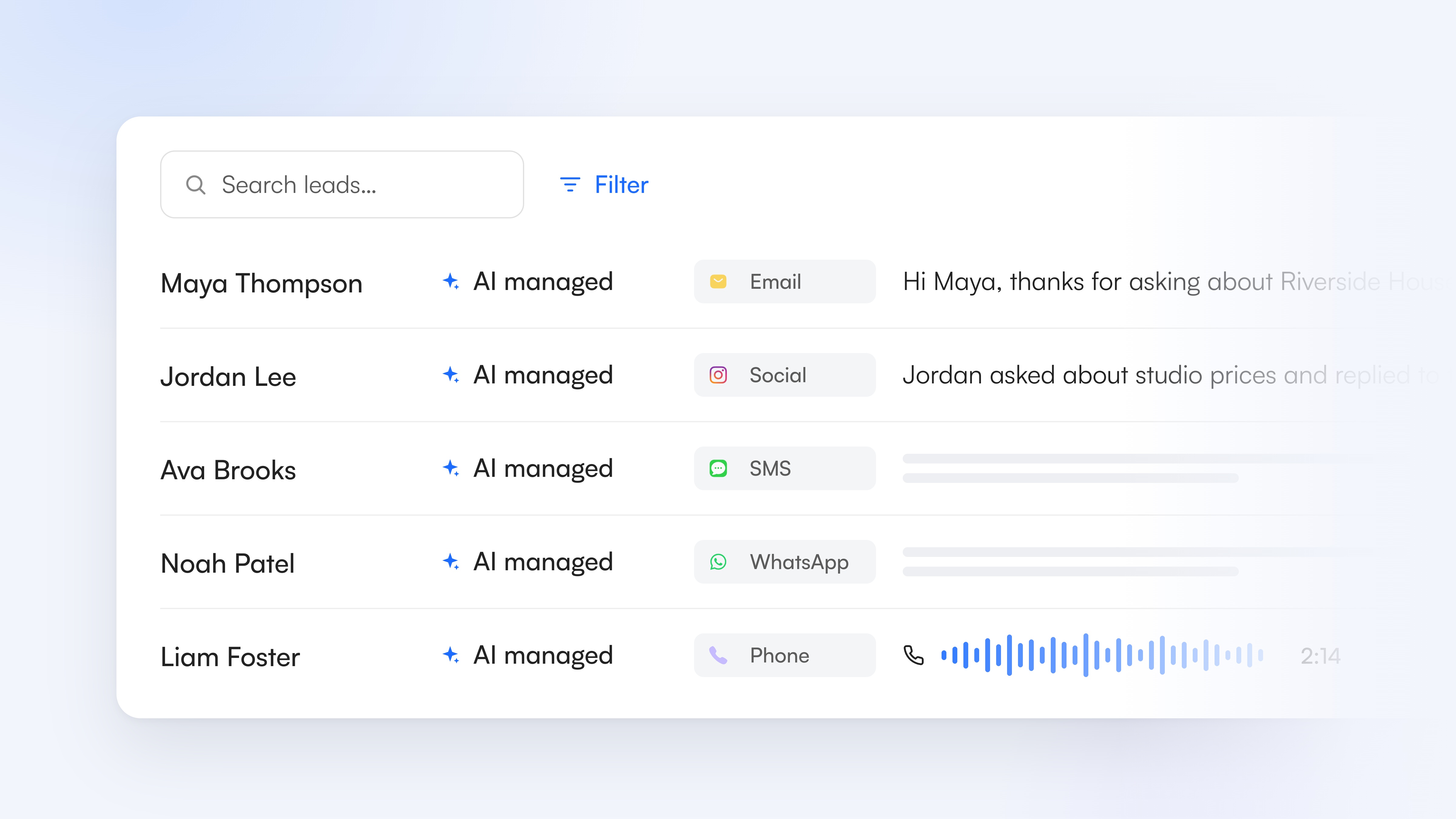
The role of telephone answering is changing. Traditional services were designed primarily to make sure someone picked up the phone. Modern conversational AI can take the interaction further by understanding why someone is calling, collecting relevant information, answering routine questions and helping them reach the next step.
For a real estate agency, that could mean moving from a missed call, voicemail and callback towards a connected sequence that runs from property enquiry to qualification, then viewing or tour, confirmation, and human handover when needed.
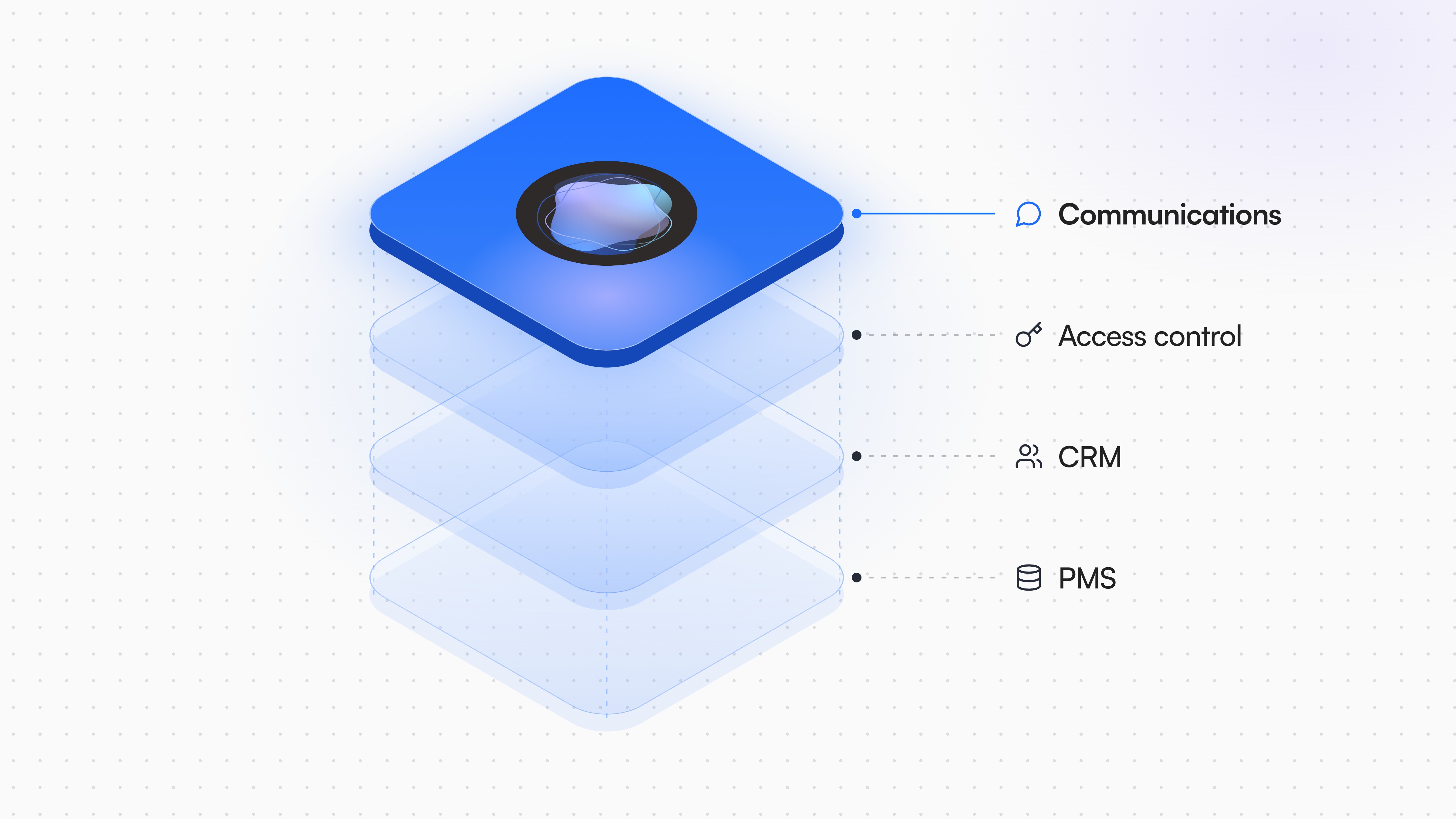
That shift is where AI platforms such as VerbaFlo can add value. Rather than treating every call as a message to pass to a member of staff, conversational AI can help property teams manage enquiries as part of the wider leasing or sales journey.
A real estate answering service can still be worth the investment in 2026. But the strongest solutions are moving beyond simply answering the phone. They help property businesses respond, qualify and convert enquiries while their teams focus on the conversations that genuinely require human expertise. Book a demo to see how it works.