
Artificial intelligence is transforming the real estate industry. From automating repetitive tasks to improving communication and lead management, AI assistants are helping real estate professionals work faster and more efficiently.
However, "real estate AI assistant" can mean very different things depending on who is using it. A solo agent, a brokerage, and a property management company each have distinct needs. Choosing the wrong tool can lead to wasted time, poor adoption, and limited results.
This guide breaks down the different types of real estate AI assistants, their key use cases, and how to choose the right solution for your specific role and goals.
What Is a Real Estate AI Assistant?
A real estate AI assistant is software that uses artificial intelligence to automate tasks, support decision-making, and improve communication across real estate operations. These assistants can handle a wide range of responsibilities, depending on their design and purpose.
Common capabilities include:
- Responding to enquiries
- Qualifying leads
- Scheduling appointments and tours
- Automating follow-ups
- Managing resident or client communication
- Supporting marketing and content creation
- Providing data insights
While some AI assistants focus on sales and lead generation, others are built for property management and resident communication. Understanding this distinction is essential when selecting the right tool.
The Different Types of Real Estate AI Assistants
Not all AI assistants serve the same purpose. Broadly, they fall into a few categories, each aligned to a different part of the industry.
Choosing the right category first makes the rest of the decision far easier, because it narrows the field to tools built for your actual work.
Sales-Focused vs Property Management AI Assistants
The clearest divide in the market is between assistants built to win deals and those built to run properties.
Sales-focused AI assistants help agents and brokers generate and convert leads. They prioritise speed to lead, follow-up automation, and pipeline management, and they are measured on conversions and closed deals.
Property management AI assistants support the longer resident relationship. They handle leasing enquiries, maintenance requests, and resident communication across the full lifecycle, and they are measured on responsiveness, satisfaction, and retention.
Platforms like VerbaFlo fall into the property management category, helping operators automate communication across leasing and resident operations rather than focusing solely on sales conversion. Picking the wrong side of this divide is the most common and most expensive mistake operators make.
Key Features to Look For
Once you know the category you need, evaluate assistants on the features that actually drive results.
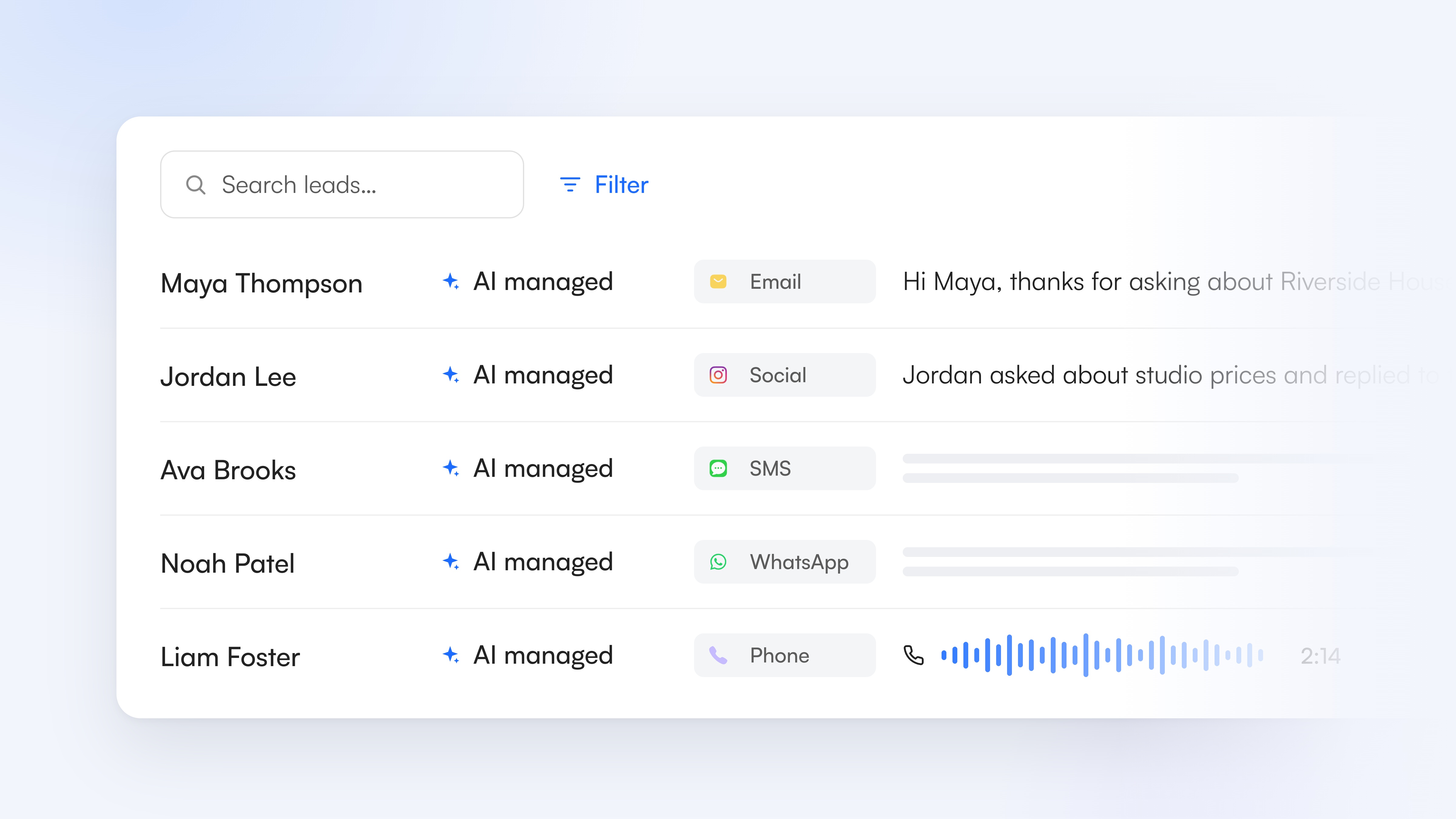
- Omnichannel communication: The assistant should engage across web chat, SMS, email, and WhatsApp so prospects and residents get consistent responses.
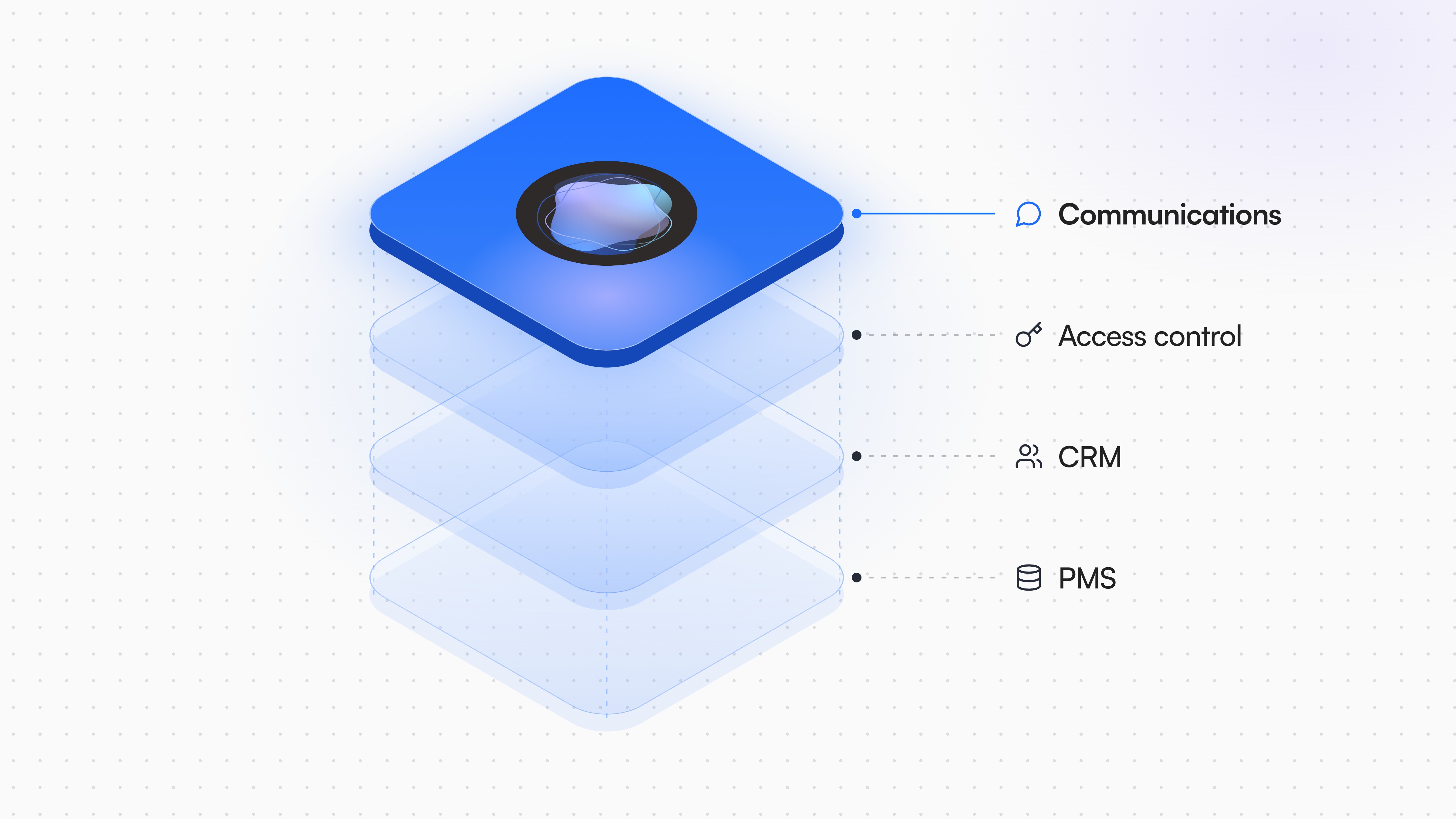
- Integrations: It should connect with your CRM, property management system, and communication tools rather than creating a separate silo.
- Automation depth: Look beyond simple auto-replies to qualification, scheduling, and follow-up that run without manual effort.
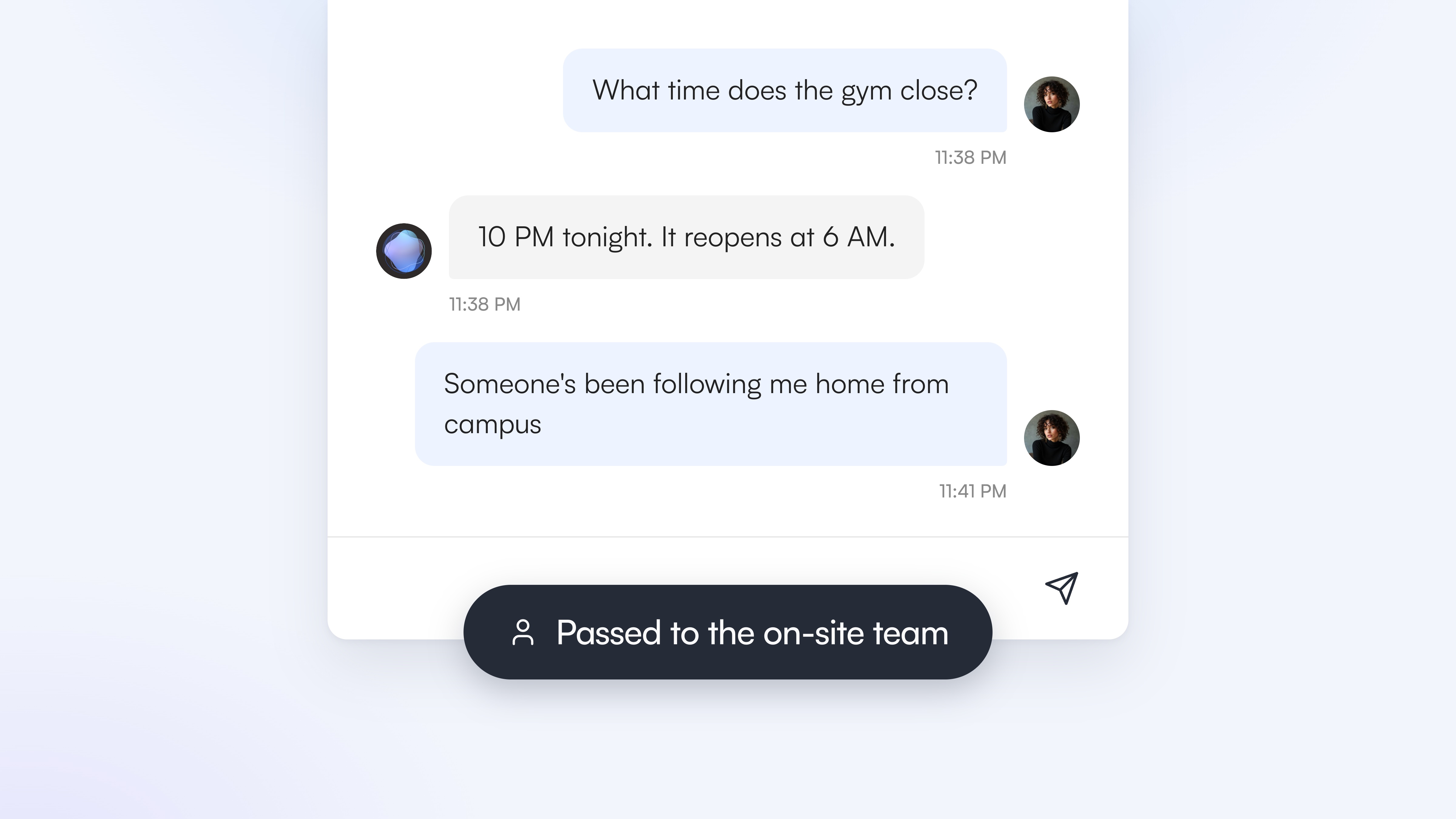
- Human escalation: The assistant should route complex conversations to a person with full context.
- Reporting and analytics: Clear data on response times, conversion, and engagement is essential for measuring value.
- Security and compliance: Recognised standards and appropriate data controls protect both your business and your residents.
A long feature list is less important than a tight match between the assistant's strengths and your daily workflow.
Free vs Paid AI Assistants: What's the Difference?
Free AI tools are useful for experimentation, but they rarely support serious operations.
Free tools typically offer basic automation, limited integrations, and little in the way of security, analytics, or support. They suit an individual testing a single task rather than a team running a portfolio.
Paid solutions generally provide deeper integrations, stronger automation, better security, and reliable support, along with the reporting needed to prove ROI. For any business handling real volume, the cost is usually justified by the time saved and the leases or renewals protected.
The right question is not whether a tool is free but whether it reliably does the job at the scale you operate.
Integrations That Matter for Real Estate Teams
An AI assistant delivers the most value when it fits into your existing technology rather than sitting beside it. The integrations that matter most include:
- CRM: So leads and conversations flow into the system your team already uses.
- Property management systems (PMS): Such as Yardi, Entrata, RealPage, and AppFolio, so records stay current.
- Communication channels: Web chat, SMS, email, and WhatsApp in one place.
- Analytics tools: So performance can be tracked and reported.
Integration depth varies widely between vendors, so ask specific questions rather than accepting that an integration simply exists.
How VerbaFlo Fits Into the Real Estate AI Landscape
VerbaFlo is a conversational AI platform built for real estate operators, sitting firmly in the property management category described above. Rather than focusing on sales conversion alone, it automates communication across the whole leasing and resident lifecycle.
It works across every channel, from web chat and voice to email and WhatsApp, and connects into the CRM and property management systems operators already run. In practice, it:
- Handles enquiries instantly: answering and qualifying prospects at any hour, then booking tours.
- Supports residents: resolving routine questions and logging maintenance requests without a queue.
- Escalates cleanly: passing complex conversations to your team with full context.
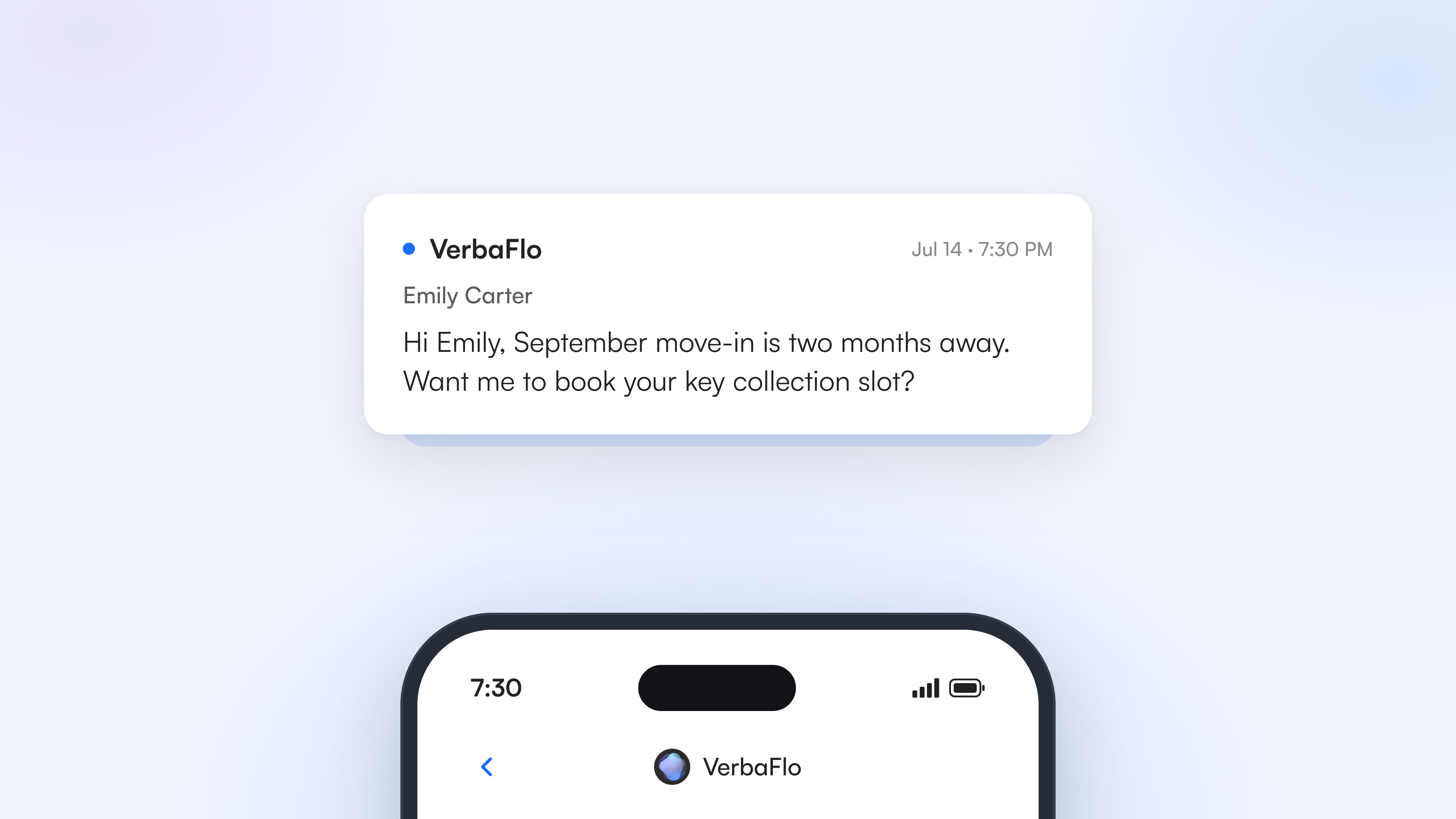
- Automates follow-up: through its WorkFlo layer, so quiet leads and renewals are not left to chance.
It serves multifamily operators alongside Build-to-Rent and student housing teams, and the security controls are set out in its Trust Centre.
Discover how VerbaFlo helps real estate operators automate communication and deliver better experiences across the leasing and resident journey.