
A property enquiry does not always arrive when a letting agent is at their desk. A prospective tenant might enquire after work, during a lunch break, at the weekend or while comparing properties late in the evening. For letting agents and property managers, that raises an obvious operational question: how many enquiries are made outside normal working hours, and how much demand could be missed when nobody is available to respond?
The answer is less straightforward than some industry headlines suggest.
Plenty of evidence shows UK rental demand remains significant, but far less recent, nationally representative evidence shows exactly when individual property enquiries are made. That distinction matters when deciding whether an out-of-hours answering service, AI receptionist or other automated call-handling solution is worthwhile.
What the Latest UK Rental Data Tells Us
The UK rental market has become less competitive than it was at its peak, but demand has not disappeared. In March 2026, Zoopla reported 4.8 enquiries per rental property, the lowest level in six years. Its data also showed that rental demand was 14% lower than a year earlier, while the supply of homes available to rent had increased by 11%.
By June, Zoopla reported that competition had eased further to 5.6 enquiries per rental home, although it noted that supply remained below pre-pandemic levels across every UK region.
The wider rental market therefore looks different from the exceptionally competitive conditions seen earlier in the decade. But for letting agents, the important point is that properties are still generating multiple enquiries, and every enquiry represents a potential instruction, viewing or tenancy.
Current rental prices also demonstrate why responsiveness remains commercially relevant. The Office for National Statistics reported average UK private rent of £1,374 per month in February 2026, up 3.5% over the previous year.
So, When Do Renters Actually Enquire?
Technology, renter behaviour, property-search platforms and communication habits have all changed. More importantly, a study measuring when agents respond to enquiries is not necessarily evidence of when renters make enquiries.
That distinction is crucial. A statistic about delayed response times cannot legitimately be rewritten as a statistic about out-of-hours enquiry volumes.
The responsible conclusion from the current evidence is therefore narrower. UK rental demand remains substantial, but there is no strong current national dataset establishing that a particular percentage of property enquiries happen outside normal working hours. For letting agents considering automation, that does not make the question irrelevant. It simply means the best evidence may come from their own enquiry data.
Your Own Enquiry Data May Be More Useful Than a National Average
A letting agency does not need to know exactly what percentage of enquiries happen nationally at 8pm to determine whether out-of-hours coverage is valuable to its business.
Its own CRM, email, website forms, portal notifications and call records can reveal:
- When enquiries arrive
- Which days generate the most enquiries
- How many arrive when the office is closed
- How quickly those enquiries receive a response
- Which enquiries result in viewings
- Which eventually become applications or tenancies
This creates a much more relevant picture. For example, an agency may discover that weekday evenings generate a meaningful share of its enquiries, while weekends produce fewer but highly motivated prospects. Another agency may find that most enquiries arrive during working hours and that out-of-hours coverage has little commercial impact.
The point is not to assume that every agency needs 24/7 answering. It is to establish whether your enquiry pattern creates a genuine coverage gap.
Why Missed Enquiries Still Matter When Demand Is Cooling
A less competitive rental market can actually make response quality more important in some circumstances. When renters have more choice, they have less reason to persist with an agent who does not respond promptly. Zoopla's March 2026 data showed that the average time to find a tenant had increased to 20 days, compared with much faster letting periods during the exceptionally strong rental market of 2022 and 2023.
That does not prove that an unanswered evening enquiry will result in a lost tenancy.
It does suggest that the market is moving away from a situation where every available property is immediately overwhelmed with competing demand. Prospective tenants have more opportunity to compare properties, and letting agents therefore have to compete for attention as well as simply advertise available stock.
What Can an Out-of-Hours Answering Service Actually Do?
An out-of-hours answering service can sit between the initial enquiry and the letting team. Depending on the technology used, it may:
- Answer incoming calls when the office is closed.
- Capture the caller's requirements.
- Provide approved information about the property.
- Record preferred viewing times.
- Take contact details.
- Answer common questions.
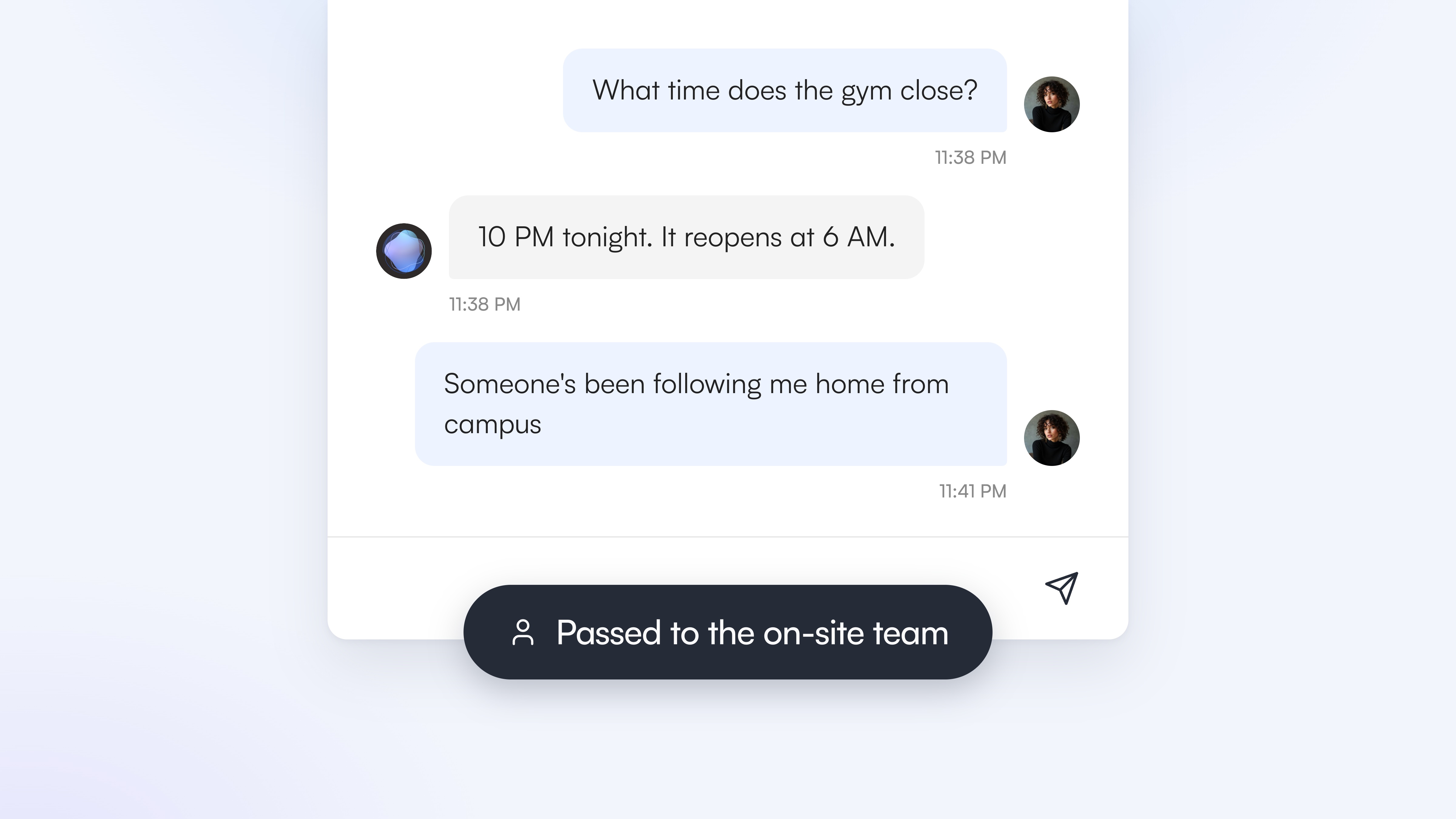
- Route urgent or complex enquiries to an appropriate person.
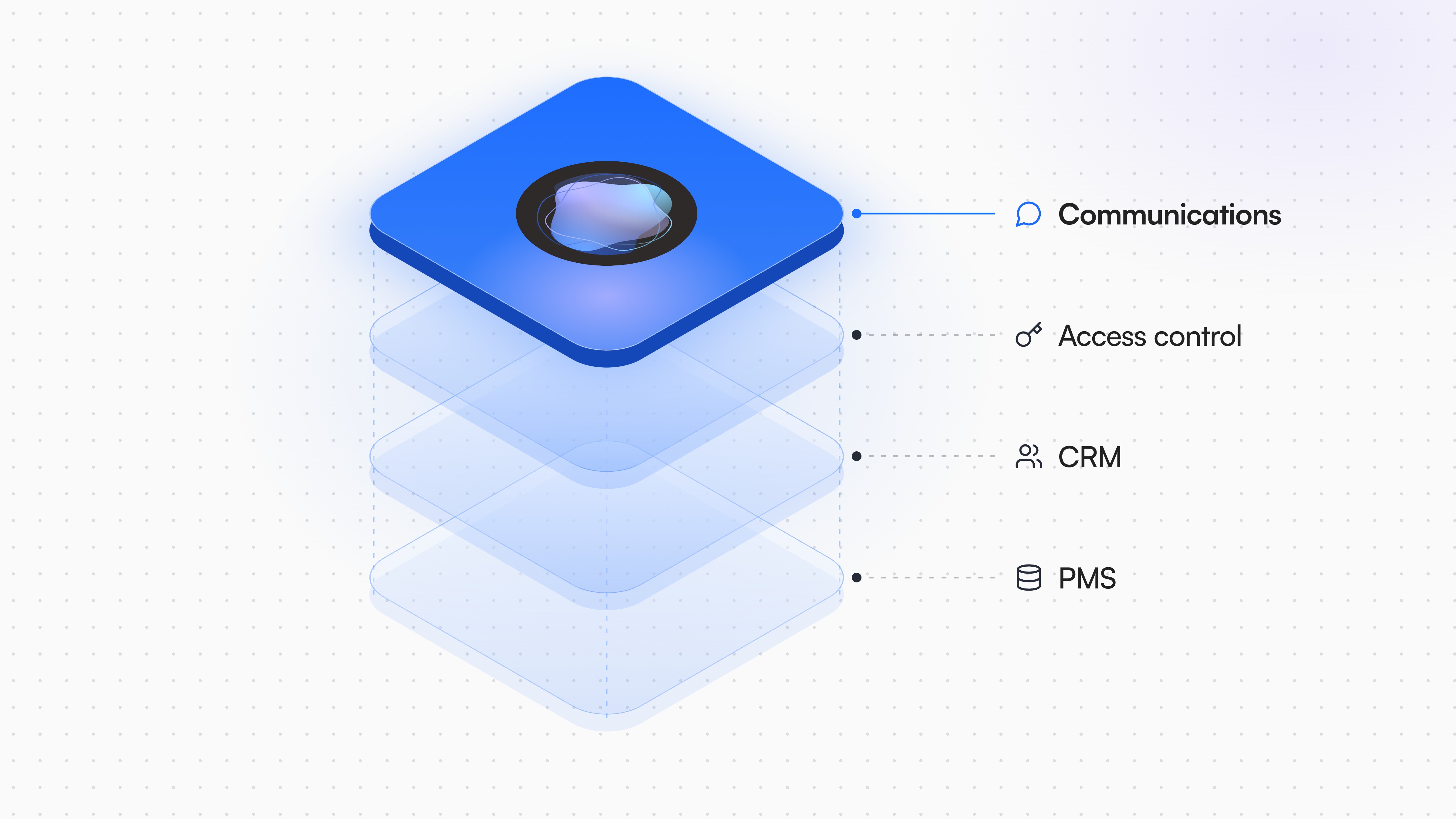
- Send the information to the agency's CRM or enquiry workflow.
A traditional human answering service relies on trained receptionists to handle these interactions. An AI receptionist can instead handle routine conversations automatically, potentially providing coverage beyond the agency's normal opening hours without requiring a staff member to remain available.
The important distinction is not simply human versus AI. It is whether the system can provide accurate information, capture useful context and hand the enquiry to the right person when human involvement is required.
AI Can Help, but It Should Not Pretend to Be a Letting Agent
Property enquiries can become complicated quickly. A prospective tenant may ask about a property's suitability, tenancy terms, affordability, referencing requirements or a particular circumstance that requires professional judgement. An automated system should not improvise answers simply to keep the conversation going.
A sensible AI-powered workflow should therefore work within approved information and defined escalation rules. For straightforward enquiries, AI can provide immediate assistance.
For questions requiring judgement, negotiation or detailed tenancy advice, it can capture the relevant information and pass the conversation to the letting team.
This creates a useful middle ground. Automation handles availability and routine communication, while people handle decisions and sensitive situations.
Where VerbaFlo Fits
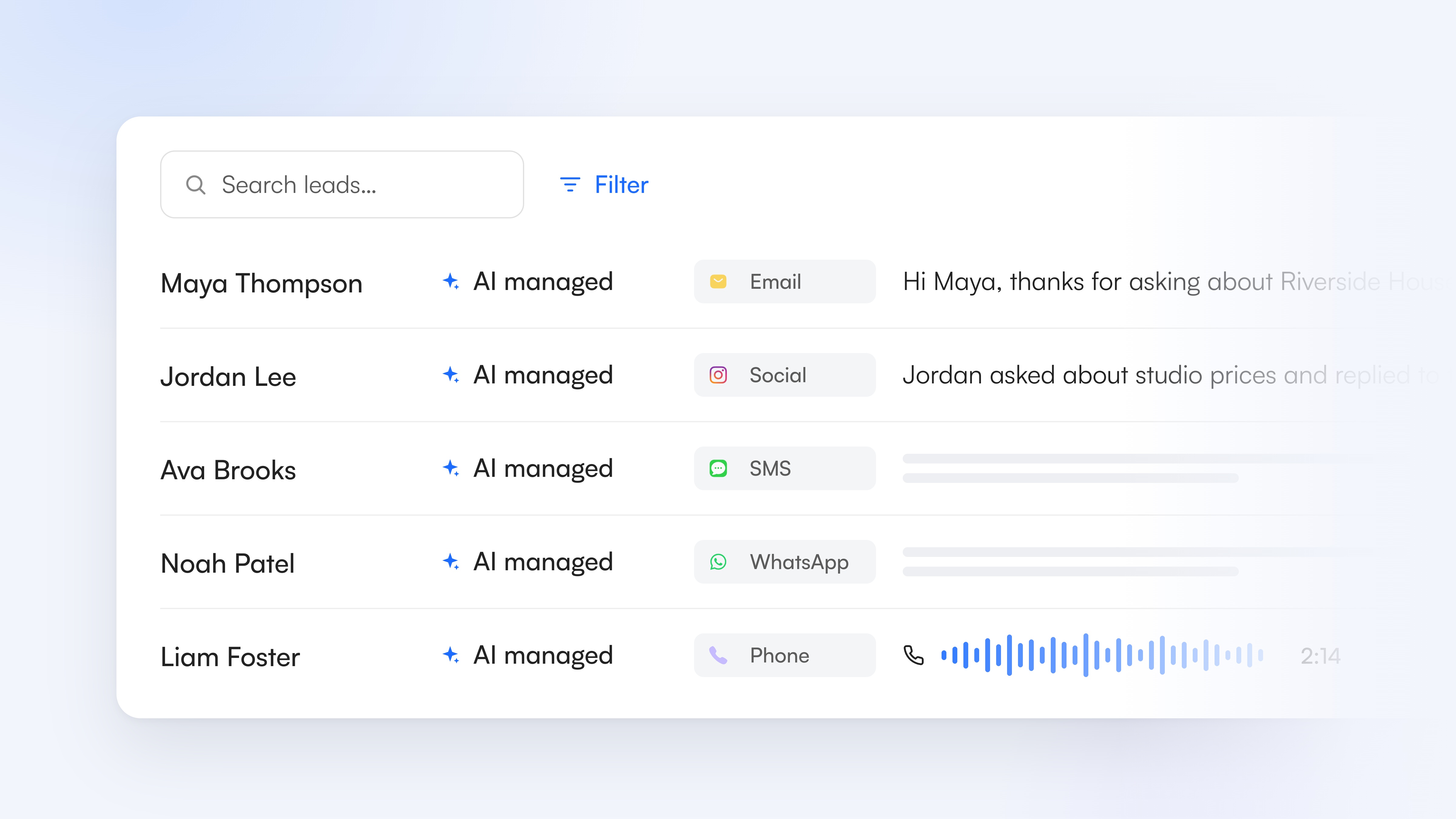
For UK letting agents and estate agencies, VerbaFlo can support this model by keeping property enquiries moving when the team is unavailable. Rather than simply recording a missed call, an AI-powered conversation can collect information about what the prospective tenant is looking for, answer approved questions and capture the context needed for follow-up.
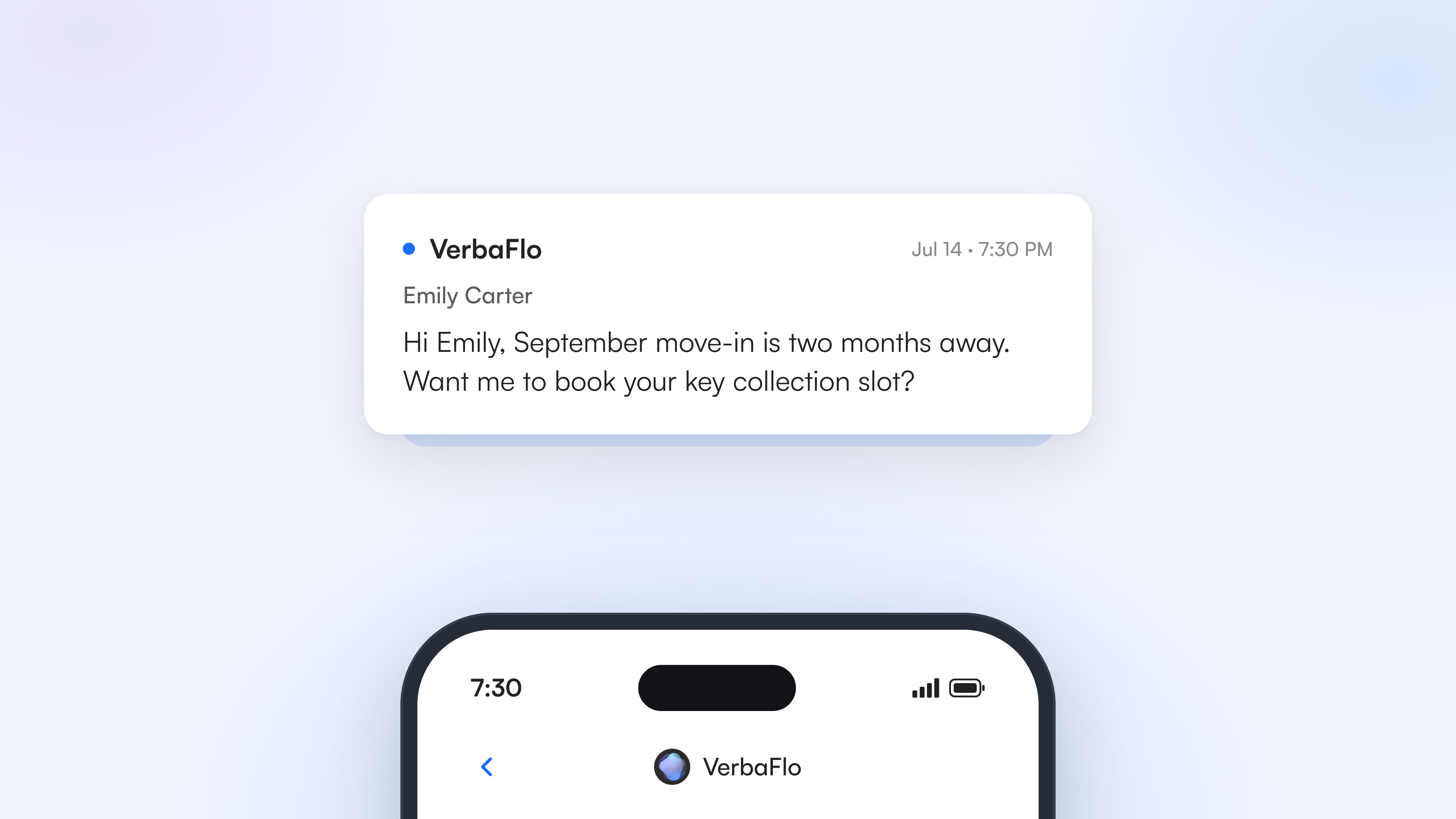
That becomes particularly useful when an enquiry arrives outside normal opening hours. The objective is not to eliminate human involvement. It is to ensure that the first interaction does not have to wait until the following morning.
What Should Letting Agents Measure?
Before investing in out-of-hours technology, agencies should establish a baseline.
Useful measures include:
- Number of enquiries received outside office hours
- Percentage of calls or enquiries requiring a response
- Average response time
- Viewing bookings generated from out-of-hours enquiries
- Enquiry-to-viewing conversion
- Viewing-to-application conversion
- Tenancies originating from out-of-hours enquiries
This approach is more useful than relying on a generic industry statistic. If an agency discovers that only a small proportion of enquiries arrive outside its opening hours and those enquiries rarely convert, extensive overnight coverage may not be justified.
If out-of-hours enquiries consistently generate viewings and applications, the business case becomes considerably stronger.
The UK Data Supports Responsiveness, Not a Magic 40% Figure
The latest UK rental data provides a clear picture of the market. Demand has eased, supply has improved and competition for rental properties has fallen from its recent peak. Zoopla recorded 4.8 enquiries per property in March 2026 and 5.6 by June, while ONS data shows rents continuing to rise year on year.
The current evidence does not provide a reliable national percentage for out-of-hours property enquiries. That is an important distinction.
Rather than repeating an old statistic as though it describes the UK rental market today, letting agents should look at their own enquiry timestamps and conversion data. If meaningful demand is arriving when the office is closed, automated call handling can provide a practical way to maintain coverage without requiring staff to be available around the clock.
The question for 2026 is therefore not simply what percentage of enquiries happen out of hours. It is how many valuable enquiries your agency is receiving when nobody is there to answer them, and what happens to them afterwards. Book a demo to see how it works.