Build to Rent (BTR) has changed the expectations around residential lettings. Residents increasingly expect quick answers, easy viewing bookings and a smooth digital journey from their first enquiry through to moving in.
For BTR operators, delivering that experience at scale can be challenging. During lease-up and mobilisation, lettings teams may handle hundreds of enquiries while coordinating viewings, answering questions, following up with prospects, and progressing applications. Once a scheme is operational, the same teams must maintain responsiveness while also supporting existing residents.
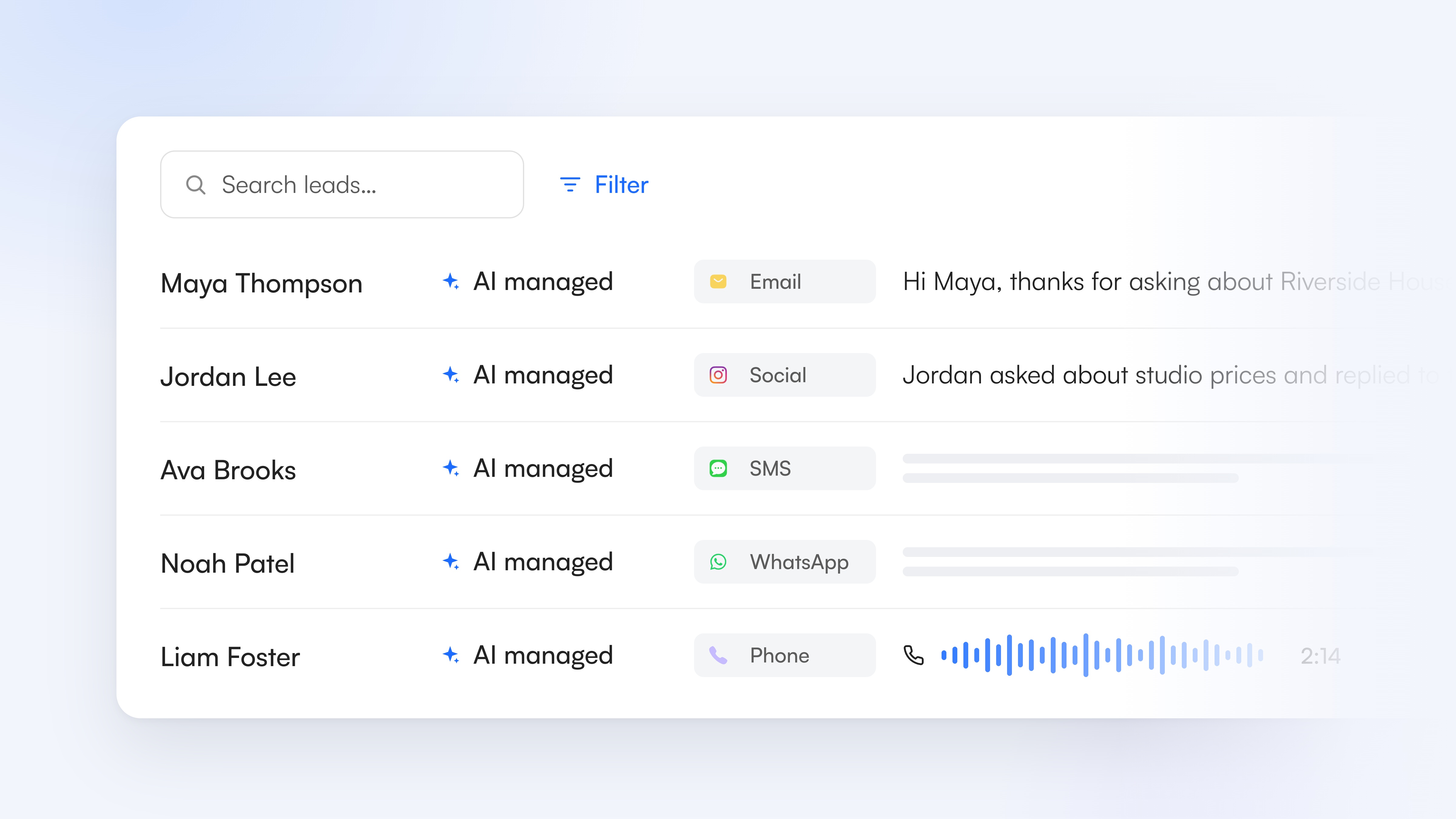
This is where AI chatbots are becoming increasingly useful. An AI chatbot for Build to Rent can respond to enquiries instantly, qualify prospective residents, support viewing bookings and maintain follow-up throughout the lettings journey. Rather than replacing lettings teams, AI removes repetitive communication and lets teams focus on the conversations and decisions that require human involvement.
Why BTR Lettings Needs a Different Approach
BTR differs from traditional residential lettings because operators build ongoing resident relationships rather than simply completing a transaction.
Prospective residents may want to know about:
- Available apartments and expected availability
- Rent and tenancy terms
- Furnishing options
- Amenities and resident services
- Pet policies
- Parking and transport links
- Viewing availability
- Application and referencing requirements
- Move-in dates
During a lease-up, enquiry volumes can increase rapidly as operators work towards stabilising occupancy. Responding manually to every question and following up with every prospect can place significant pressure on lettings teams.
From First Enquiry to Qualified Prospect
The first opportunity for AI comes immediately after a prospective resident makes contact. Instead of receiving a generic acknowledgement and waiting for a member of the lettings team to respond, the prospect can begin a conversation straight away.
An AI chatbot can ask practical qualifying questions around:
- Preferred move-in date
- Apartment type
- Budget
- Length of tenancy
- Location preferences
- Pet requirements
- Viewing preferences
The objective is not simply to collect more information. It is to understand whether the prospect is a realistic fit for the available homes and where they are in their decision-making journey. For lettings teams, this means the next conversation can begin with useful context rather than repeating basic questions.
How AI Chatbots Can Keep BTR Enquiries Moving 24/7
Apartment searches do not necessarily happen during standard working hours. A prospective resident may enquire in the evening after work, during a lunch break or at the weekend. Without an immediate response, that prospect may continue searching elsewhere.
AI-powered BTR lettings automation allows operators to remain available beyond normal team hours. A chatbot can answer routine questions, provide relevant information and capture enquiry details whenever a prospect chooses to engage. This is particularly valuable during lease-up, when maintaining enquiry momentum can be critical to achieving occupancy targets.
AI is not meant to pretend that every conversation can be handled without people. It is to ensure that a prospect does not reach a dead end simply because the lettings team is temporarily unavailable.
Making Viewing Bookings Easier
For many prospects, the viewing is the next important step after an initial enquiry. However, arranging viewings can create unnecessary back-and-forth between prospects and lettings teams. A prospect may ask about availability, receive a response hours later, and then exchange several more messages before finding a suitable appointment. An AI chatbot can simplify this process by connecting the conversation with viewing availability.
Depending on the operator's systems, it can:
- Present suitable viewing slots
- Confirm appointments
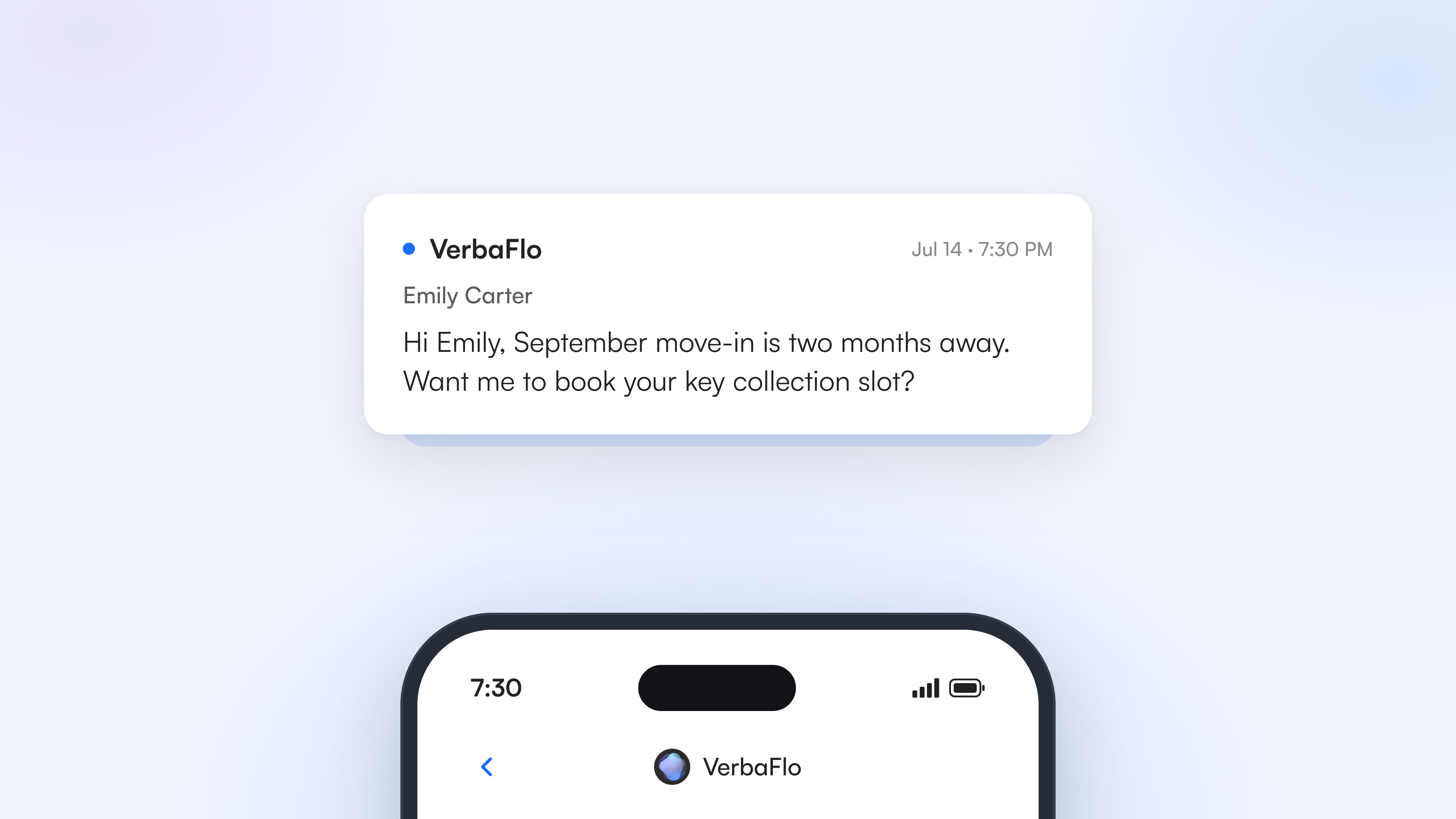
- Send reminders
- Answer common viewing questions
- Manage rescheduling requests
- Capture information for the lettings team
Supporting BTR Lease-Up at Scale
Lease-up presents a particular challenge for BTR operators because enquiry volumes can be concentrated around the launch of a new scheme.
The lettings team may need to manage high volumes of conversations while simultaneously building awareness, conducting viewings and progressing applications. AI can provide additional capacity during this period.
Instead of requiring staff to answer every question manually, the chatbot can handle routine enquiries and identify prospects showing stronger intent. High-priority conversations can then be surfaced for the lettings team. This allows operators to use human resources where they can have the greatest impact, while AI manages repetitive interactions at scale. For a new BTR scheme, this can help create a more consistent experience across the lease-up period rather than allowing response times to fluctuate with enquiry volumes.
AI Follow-Up After the Viewing
The conversation should not end when a prospect leaves the viewing. A common challenge for lettings teams is maintaining consistent follow-up across large numbers of prospects. Some prospects may need more information, while others may be comparing several BTR schemes before deciding.
AI can support follow-up by maintaining the conversation and responding to routine questions after a viewing.
For example, a prospect may want to know more about:
- A particular apartment
- Available move-in dates
- Tenancy terms
- Amenities
- Pet arrangements
- Application requirements
The chatbot can provide approved information and identify when a prospect is ready for the next step. This creates a more connected journey from viewing to application rather than relying entirely on manual reminders.
Moving From Application to Signed Tenancy
The later stages of the BTR lettings journey can involve significant administration. Applicants may need reminders about outstanding information, updates about application progress or guidance on the next stage of the process. When these communications are handled manually, delays can occur, and lettings teams spend considerable time chasing routine updates.
AI can support these workflows by communicating approved information, sending reminders and keeping applicants informed about the progress of their application.
Importantly, AI should not make decisions that require professional judgement or override established referencing and tenancy processes. Its role is to keep communication moving while ensuring the right information reaches the right person at the right time.
What Makes AI Useful for BTR Operators?
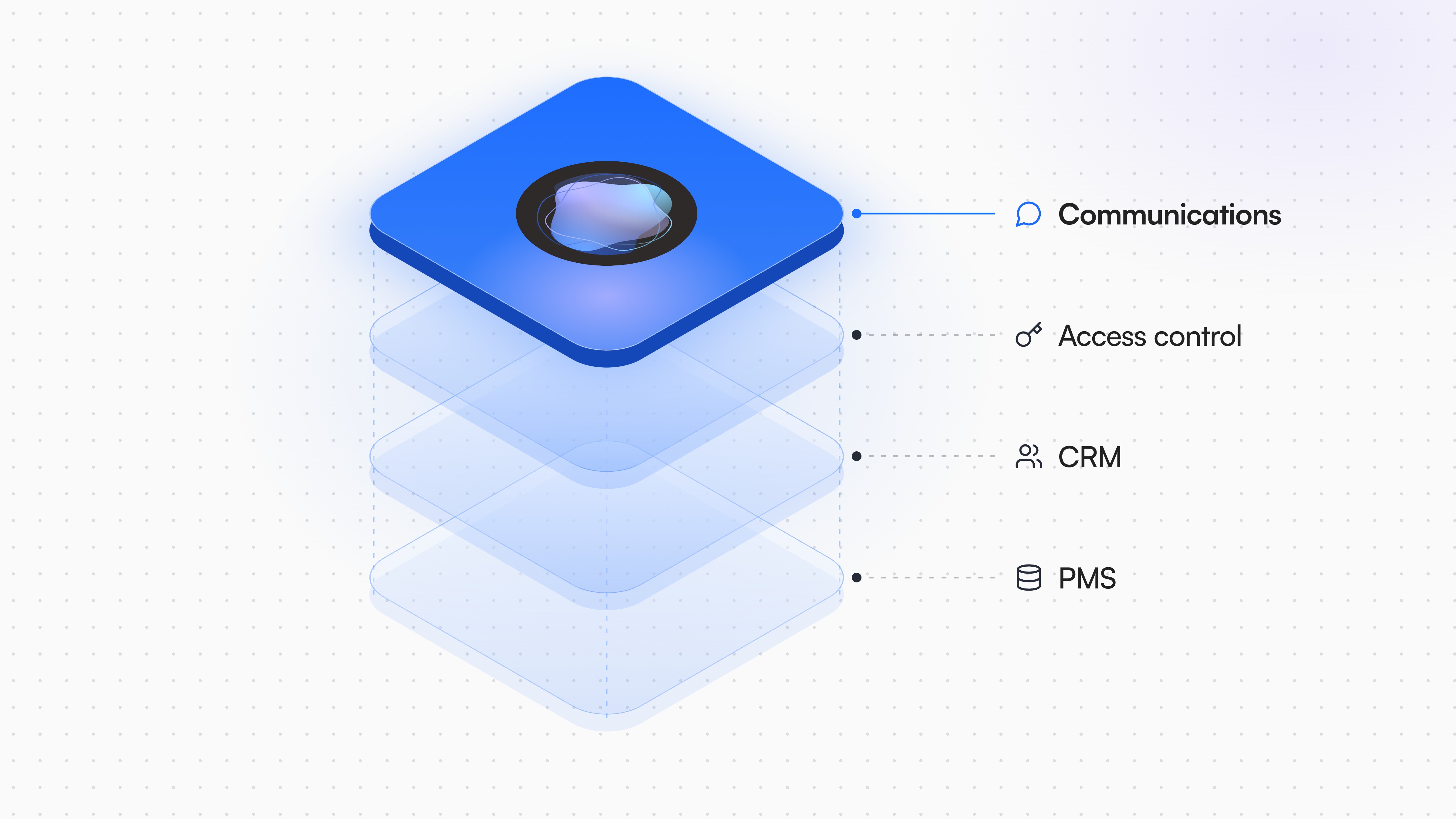
Not every chatbot is designed for the operational realities of BTR. For an AI solution to provide meaningful value, it should connect with the wider lettings and resident journey rather than operate as a standalone question-and-answer tool.
Important capabilities include:
This is where platforms such as VerbaFlo can fit into the BTR journey. By connecting conversational AI with enquiry handling, qualification, follow-up and resident communication, VerbaFlo can help operators create a more continuous digital experience rather than treating each interaction as a separate task.
Where Human Teams Still Matter
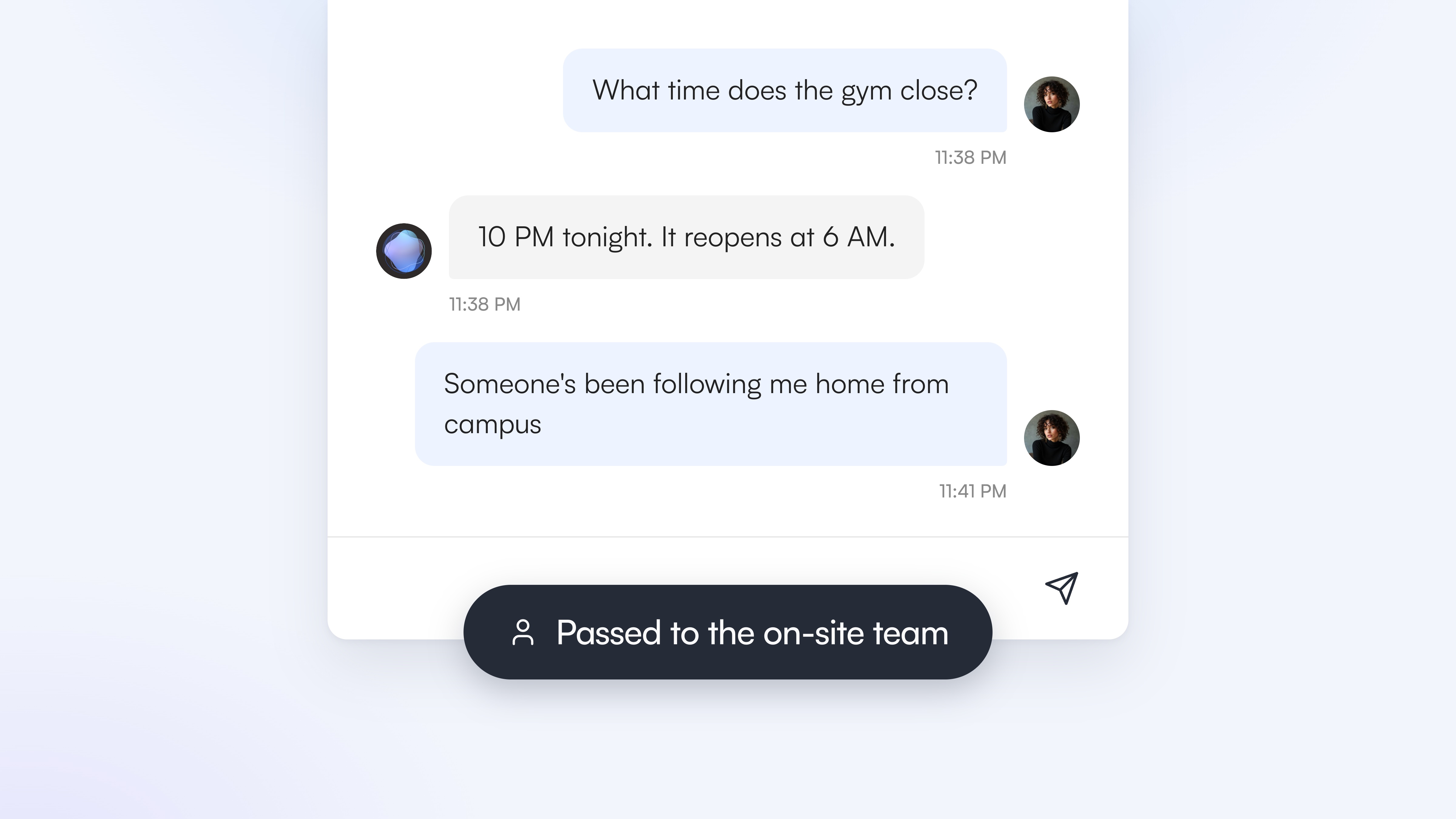
AI should enhance BTR lettings rather than replace the people responsible for delivering the resident experience. Prospects may have questions about individual circumstances, affordability, tenancy arrangements or issues that require discretion. These conversations should be escalated to the appropriate member of the lettings team.
Human involvement also remains important during viewings, negotiations, complex applications and the final stages of converting a prospect into a resident. The strongest model is therefore a combination of AI and human expertise, where AI handles repetitive, high-volume interactions while people focus on relationships, judgement and conversion.
Building a More Connected BTR Lettings Journey
The value of BTR leasing automation is not simply that an AI chatbot can answer questions faster. Its greater value comes from connecting the different stages of the prospect journey.
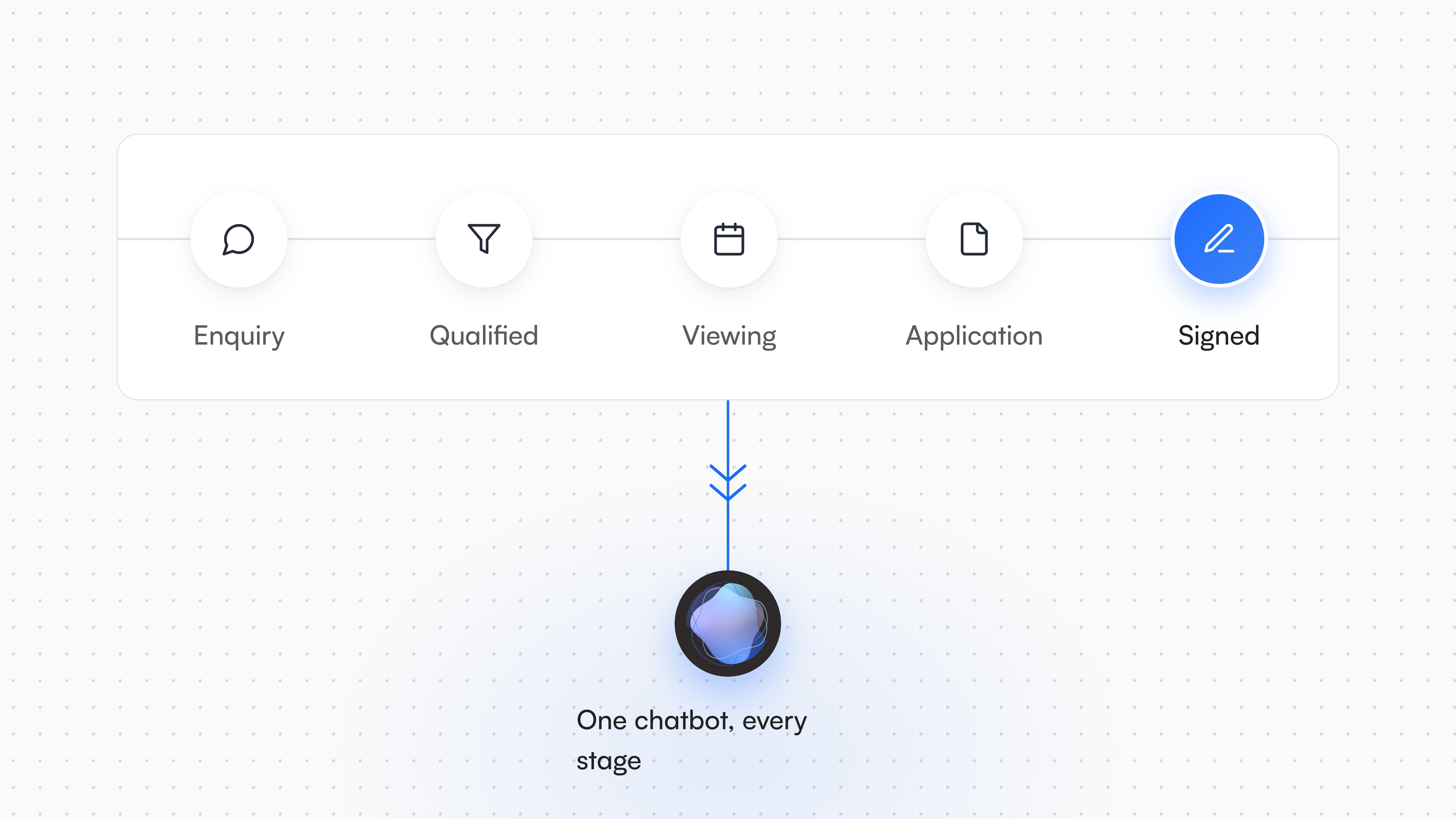
A well-designed workflow moves from enquiry to qualification, then viewing, follow-up, application, referencing, signed tenancy and finally move-in.
At each stage, AI can support communication and administrative tasks while passing relevant information between interactions. For operators, this creates greater visibility across the pipeline. For prospects, it creates a journey that feels more responsive and consistent. As BTR continues to mature in the UK, the operators that stand out will not necessarily be those using the most technology. They will be those using technology to remove friction from the resident journey.
AI chatbots can play an important role in that shift. From handling the first enquiry and supporting lease-up through to viewing coordination, application follow-up and signed tenancy, AI gives BTR teams a scalable way to remain responsive without adding repetitive workload.
The objective is simple. Make it easier for the right prospect to move from initial interest to becoming a resident, while giving lettings teams more time to focus on the interactions where human expertise matters most. Book a demo to see how it works.