Running a Build to Rent (BTR) scheme is not simply a matter of collecting rent and managing repairs. From mobilisation and lease-up to resident communication, maintenance, amenity bookings, and renewals, operators manage an end-to-end rental experience.
That creates a technology question: what software does a BTR operator actually need? The answer is rarely one platform. A modern BTR operation typically relies on a technology stack made up of property management, lettings, resident engagement, maintenance, payments, reporting and, increasingly, AI-powered tools.
But the right stack for a 100-home scheme will not necessarily be right for a 1,000-home development. As a scheme grows, the priority shifts from simply digitising individual tasks to connecting systems, standardising operations and giving teams greater visibility across the resident lifecycle.
This guide breaks down what BTR operations software covers, which capabilities matter most, and how the technology stack can evolve as a scheme scales.
What Is BTR Operations Software?
BTR operations software refers to the collection of digital tools used to manage the operational and resident-facing activities of a Build to Rent scheme.
Unlike traditional residential property management, BTR operations span the entire resident journey. Technology may support everything from the initial enquiry and application through to move-in, maintenance, community engagement, renewals and move-out.
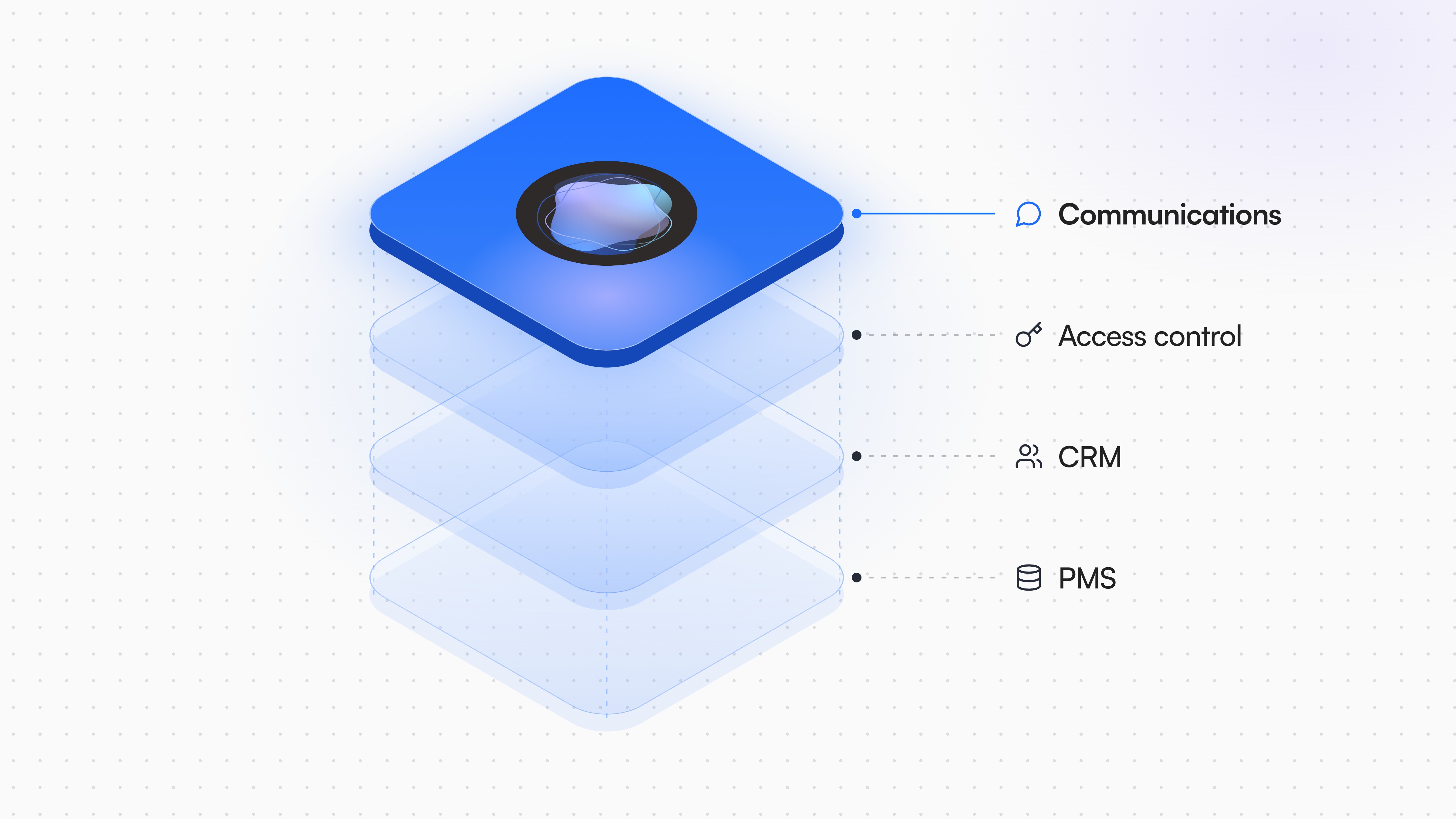
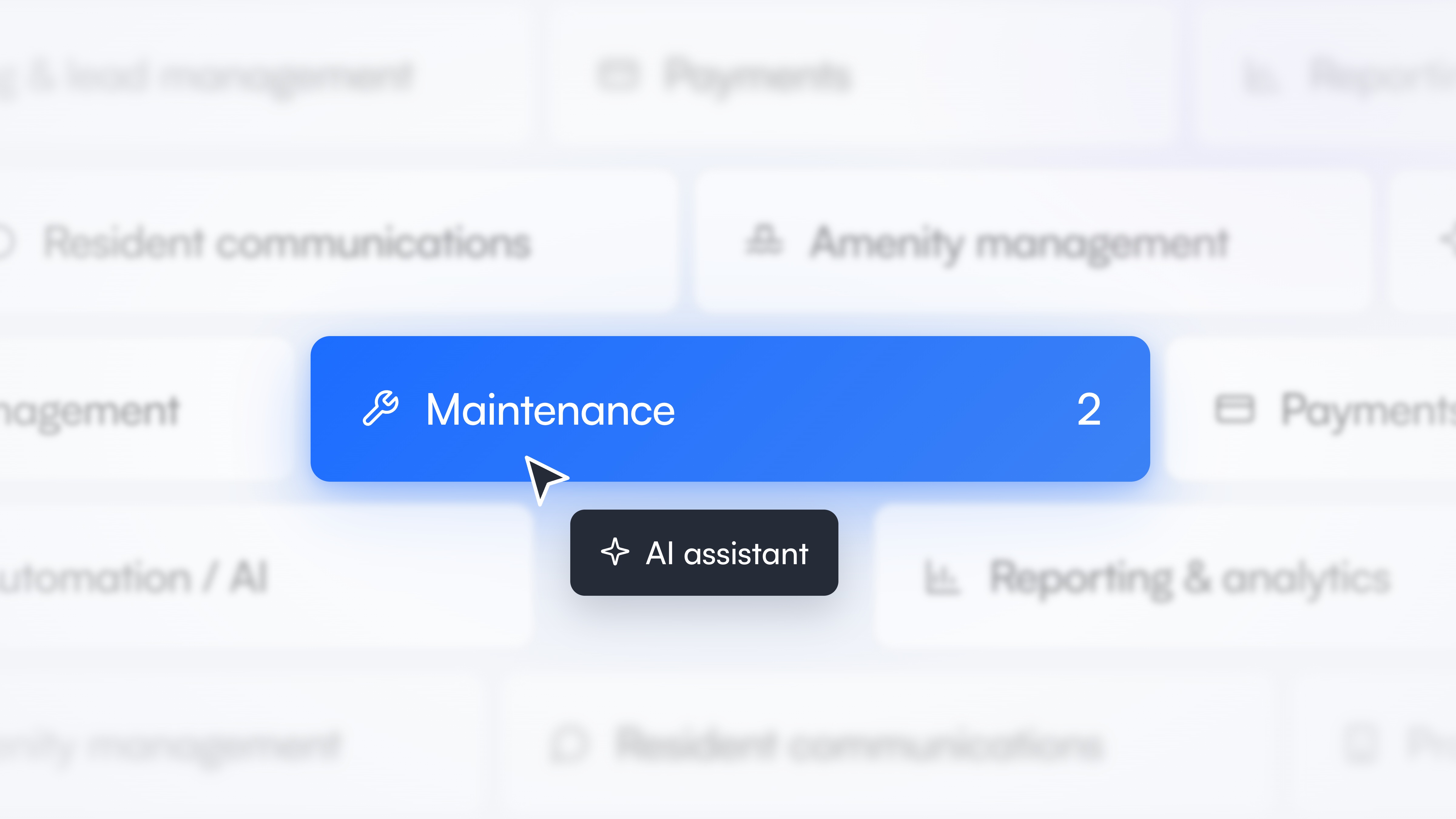
A typical BTR technology stack may include:
- Property management software
- Lettings and lease-up platforms
- CRM and lead management
- Resident communication tools
- Maintenance and work order systems
- Rent and payment management
- Amenity and booking platforms
- Document and compliance management
- Reporting and operational analytics
- AI and automation tools
The key point is that BTR software is not one category with a universal solution. It is an ecosystem, and the balance between different systems changes with the scheme's size and maturity.
Start With the Resident Journey, Not the Software
Before choosing technology, map what actually happens throughout a resident's journey. Consider a prospective resident searching for a BTR scheme. They submit an enquiry, receive information, arrange a viewing, complete an application and move through referencing before signing a tenancy. After moving in, their relationship with the operator continues through maintenance requests, amenity bookings, community communication, renewals and eventually move-out.
Every stage creates operational activity. The technology stack should therefore answer a simple question: where does information enter the operation, and where does it need to go next?
If a prospect's information sits in the lettings system but cannot flow into resident onboarding, staff may need to enter it again. If a maintenance request sits separately from resident communication, teams may need to provide manual updates.
The Core Layers of a BTR Tech Stack
Property Management Software
At the centre of most BTR operations is the property management system. It provides the underlying operational record for homes, tenancies, residents, payments and other property information. For BTR operators, this system must support the scale and structure of professionally managed rental communities rather than individual landlord-tenant relationships.
The property management platform effectively becomes the operational foundation on which other technologies connect.
Lettings and Lease-Up Technology
During lease-up, speed and visibility become particularly important. Operators need to capture enquiries, manage prospective residents, schedule viewings, track applications and understand how homes are progressing towards occupancy.
Once a scheme is operational, the emphasis may shift towards ongoing lettings, renewals and reducing void periods. This means the technology supporting lease-up needs to connect closely with property and resident data rather than operating as a standalone marketing tool.
Resident Communication
BTR is built around an ongoing resident experience, which makes communication technology particularly important.
Residents may need to ask questions about moving in, maintenance, parcels, amenities, building access, payments, community events and tenancy information.
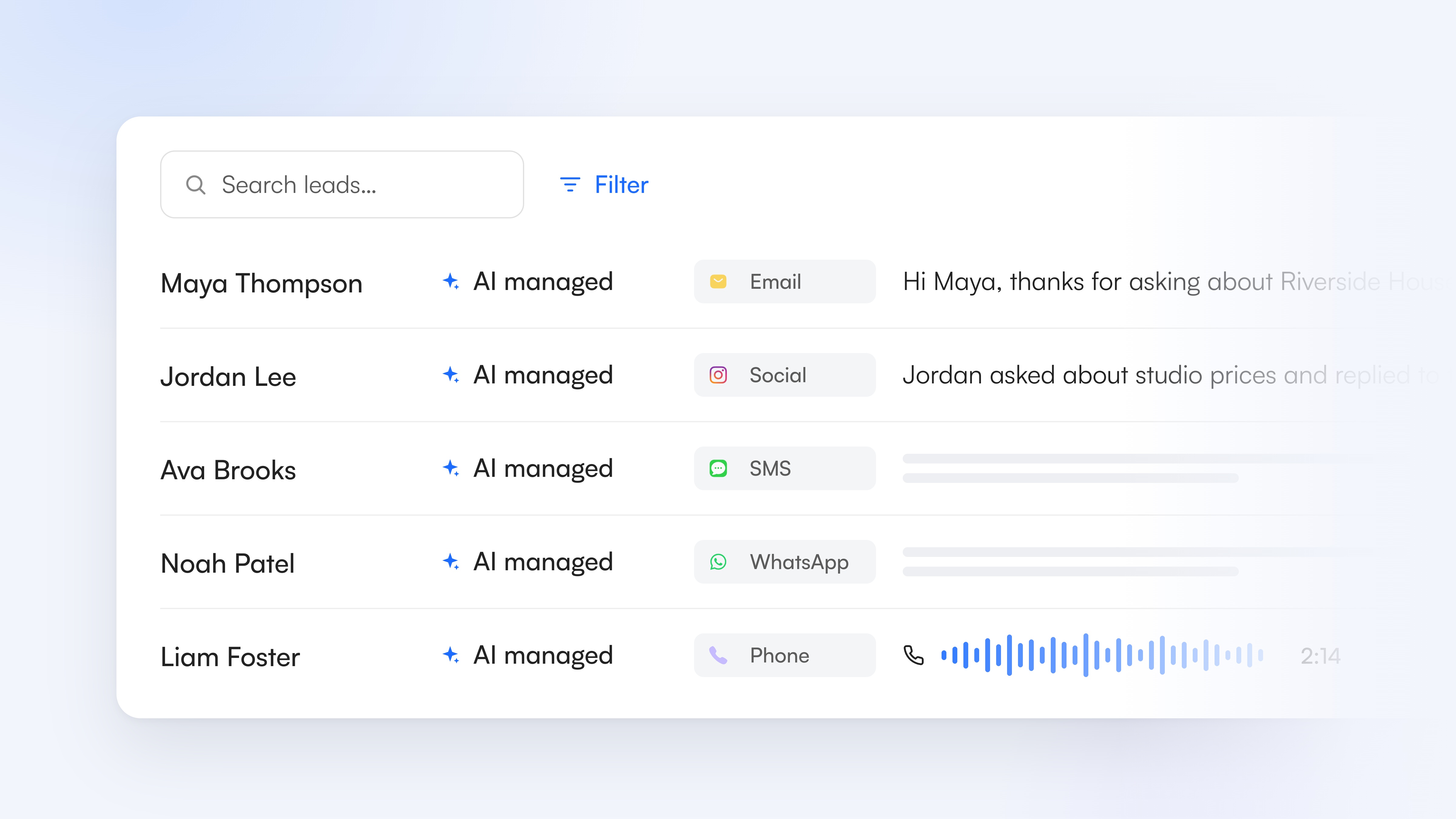
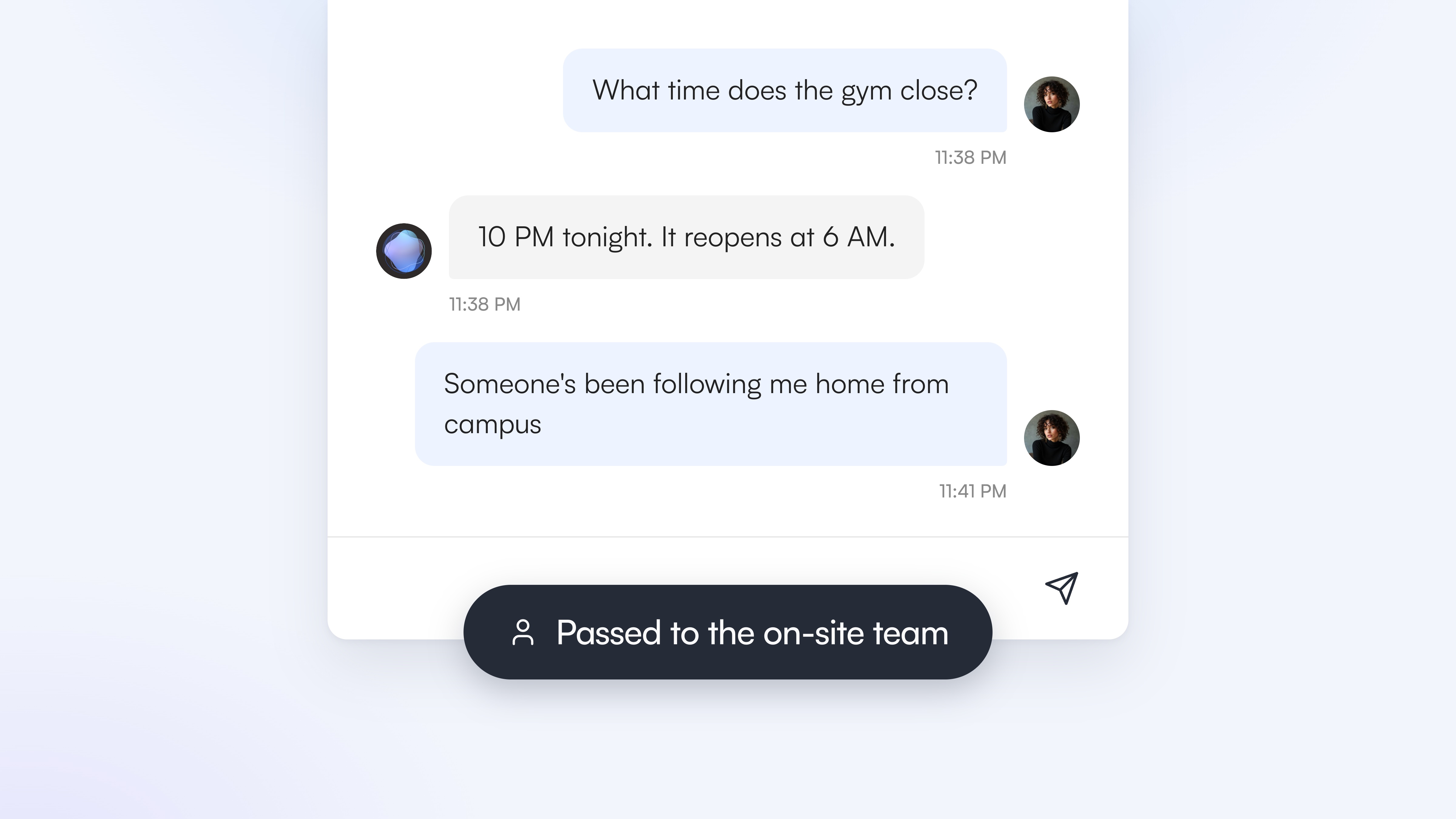
A resident communication platform can provide self-service support while giving onsite teams visibility into conversations. AI can also play a meaningful role here. AI-powered conversational platforms such as VerbaFlo can handle routine questions, provide information and support communication without requiring a member of the onsite team to respond manually to every interaction.
The objective is not to remove human interaction. It is to ensure teams are not spending their time answering the same question repeatedly.
Maintenance and Repairs: Where Integration Really Matters
Maintenance is one of the clearest examples of why BTR systems need to work together. A resident reports a problem. The issue needs to be categorised, prioritised, assigned, completed and communicated back to the resident. A disconnected process might require several manual handovers.
An integrated workflow can move information from resident communication into maintenance, trigger a work order, assign the appropriate team or contractor and keep the resident updated.
For smaller schemes, this may simply improve efficiency. For larger schemes, it can become essential. Hundreds of maintenance requests moving through disconnected systems create a significant administrative burden and make it harder for operators to identify recurring issues, monitor response times or understand performance across the building.
Amenities and Community Management
One of the defining features of BTR is the emphasis on resident experience. Gyms, lounges, co-working spaces, cinemas, roof terraces and other shared facilities all need to be managed effectively.
Software can support amenity bookings, resident events, access management, communications, waitlists and usage reporting.
How the Stack Changes by Scheme Size
The technology requirements of a BTR scheme change considerably as the number of homes increases.
Smaller BTR Schemes
For a smaller scheme, simplicity is often more important than having many specialist platforms.
The core requirements may be property management, lettings and CRM, resident communication, maintenance management, payments and basic reporting.
At this stage, too many disconnected tools can actually create more work. The priority should be establishing a reliable operational foundation with as few unnecessary handovers as possible.
Mid-Sized Schemes
As the number of homes increases, operational volume changes the equation. More residents mean more enquiries, maintenance requests, communications, payments and amenity activity.
Operators may benefit from introducing automated resident communication, more sophisticated CRM and lead management, integrated maintenance workflows, amenity booking, automated reporting, contractor management and AI-powered support.
At this stage, automation starts to deliver a much more noticeable operational benefit because teams are handling enough volume for repetitive tasks to become a significant drain on time.
Large BTR Schemes and Portfolios
At larger schemes, the question is no longer simply whether individual processes are digital. It is whether the entire operation is connected. Large operators need greater visibility across lettings, occupancy, resident engagement, maintenance, contractors, finances and performance.
Technology therefore needs to support portfolio-wide reporting, system integrations, standardised workflows, automated resident communication, advanced operational analytics, AI-assisted decision-making, centralised oversight and consistent resident experiences.
At this scale, technology architecture becomes an operational strategy rather than simply an IT decision.
Where AI Fits Into BTR Operations
AI should not be viewed as another isolated layer of software. Its greatest value comes when it sits across existing workflows and helps automate repetitive interactions.
For BTR operators, this can include:
- Before move-in: answering enquiries, qualifying prospects and helping schedule viewings.
- During onboarding: providing information, sending reminders and supporting document collection.
- During the tenancy: answering routine questions, supporting maintenance communication and handling common resident requests.
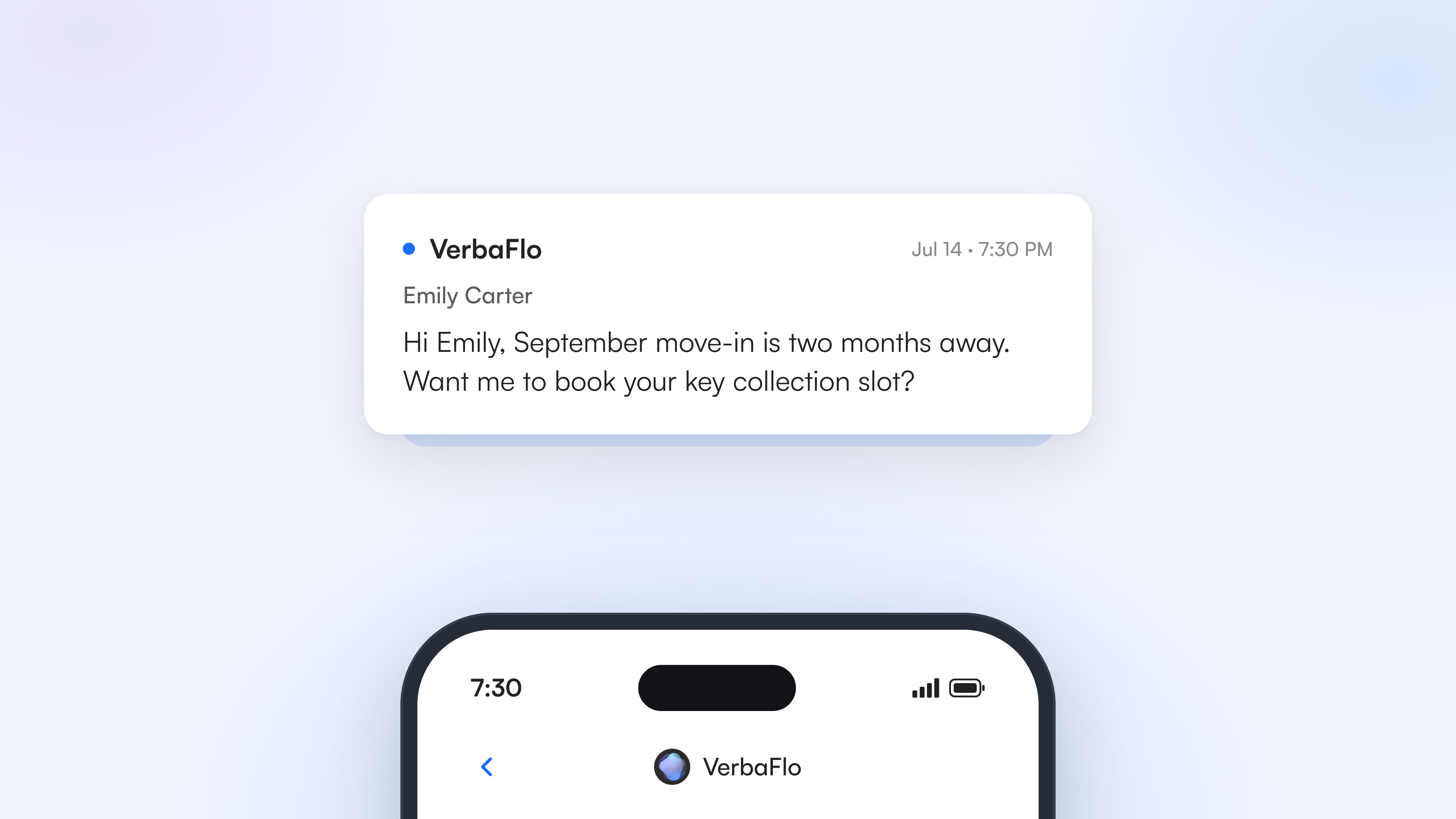
- At renewal: identifying upcoming tenancy milestones and prompting timely communication.
- At move-out: supporting instructions, reminders and coordination.
VerbaFlo can provide an AI-powered conversational layer across these interactions, helping connect resident communication with the wider operational workflow.
The Real Question: Does Your BTR Software Stack Talk to Itself?
Having more technology does not automatically mean better operations. A scheme can have excellent property management software, a sophisticated CRM, a resident app and an advanced maintenance platform and still create a poor experience if those systems do not communicate with one another.
Before adding another tool, BTR operators should ask whether it removes a manual process, whether it connects with the systems already in use, whether residents will have a simpler experience, whether onsite teams gain useful visibility, and whether it can scale as the scheme grows.
Building a BTR Tech Stack That Can Scale
The strongest BTR technology strategies are not necessarily the ones with the most software. They are the ones where each system has a clear purpose and information moves smoothly between them.
A practical approach is to:
- Map the resident and operational lifecycle.
- Identify repetitive or high-volume processes.
- Establish a core property management system.
- Add specialist platforms where they solve a genuine operational need.
- Prioritise integrations between systems.
- Introduce automation where manual work is creating bottlenecks.
- Use AI to support high-volume communication and repetitive workflows.
- Measure performance and refine the stack as the scheme grows.
This creates a technology environment that can evolve rather than requiring operators to replace their entire infrastructure every time the portfolio expands.
The Future of BTR Operations Is a Connected Stack
BTR operations software is moving beyond individual tools for individual tasks. The next stage is a more connected technology ecosystem in which property data, resident communication, lettings, maintenance, amenities and operational reporting work together.
For a smaller scheme, that may mean choosing a simple and reliable core stack. For a larger portfolio, it may mean integrating multiple specialist systems and adding AI to automate high-volume workflows. Book a demo to see how it works.