Businesses receive calls throughout the day, but staff cannot answer every call. Customers may call after hours, during busy periods, or while employees are already helping other callers. An automated answering service helps businesses respond to these calls without requiring someone to pick up every time.
Traditional automated phone answering systems relied mainly on menus, recorded messages, and call routing. Today, AI receptionists can go further by understanding natural language, identifying what callers need, answering routine questions, collecting information, scheduling appointments, and escalating conversations when human assistance is required.
The result is a shift from simply directing calls to actually handling conversations.
What Is an Automated Answering Service?
An automated answering service is a technology-based system that responds to incoming phone calls without requiring a human receptionist to answer every call. The simplest systems use an auto attendant, where callers hear a recorded menu and select an option such as pressing 1 for sales, 2 for support or 3 for billing.
More advanced systems use artificial intelligence to understand what callers say rather than requiring them to navigate a fixed menu. For example, instead of asking a caller to select an option, an AI receptionist might ask how it can help, and the caller can then explain their request naturally.
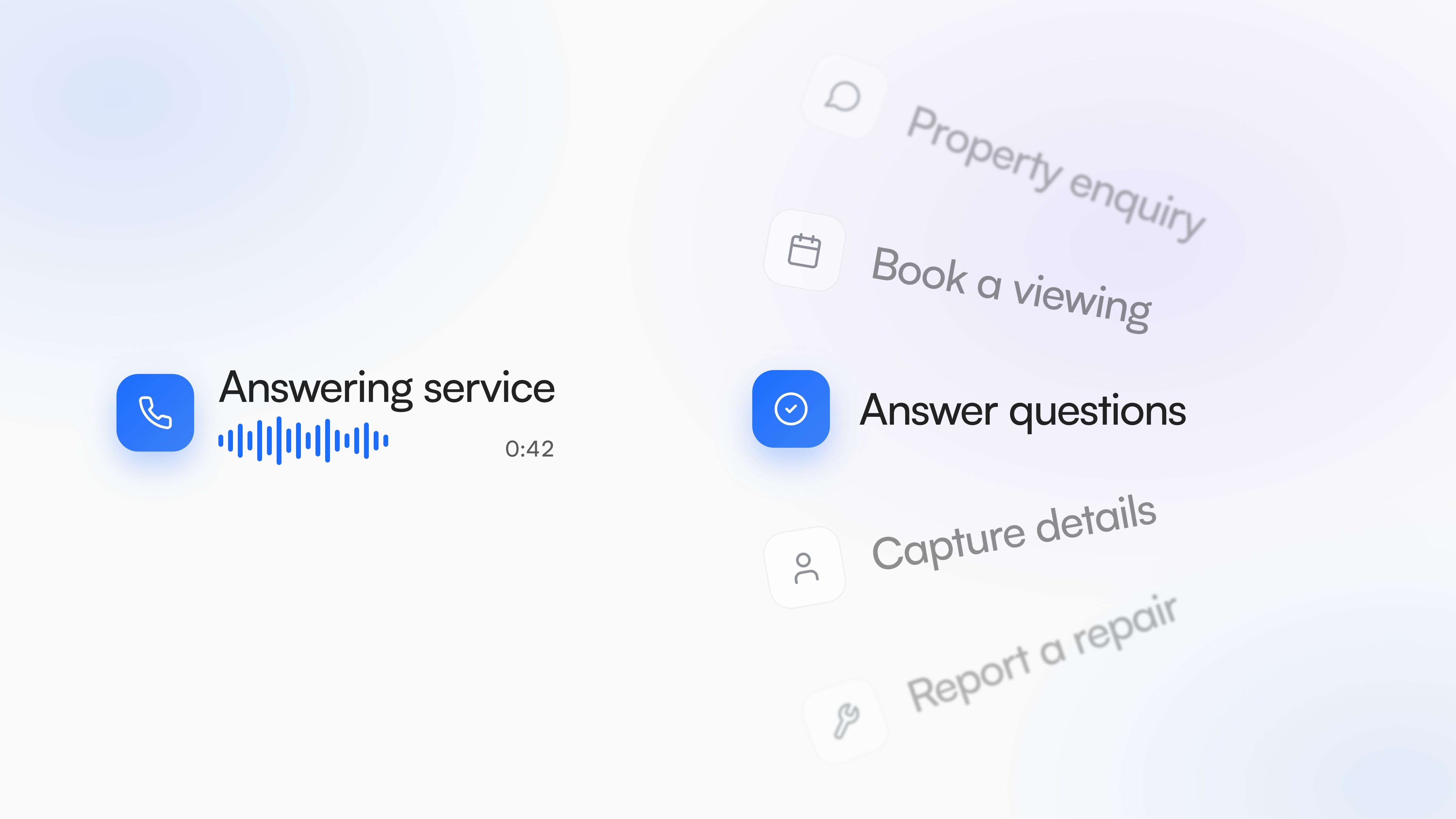
Depending on the system, automated call handling can include answering questions, collecting caller details, transferring calls, scheduling appointments, taking messages, and providing information outside normal business hours.
How Does an Automated Phone Answering System Work?
Although different platforms use different technologies, automated call handling generally follows a similar process.
1. The Call Is Received
When someone calls a business, the automated system answers instead of letting it go unanswered or immediately sending it to voicemail.
The system can operate during business hours, after hours, or continuously, depending on how the business configures its phone workflow.
2. The System Understands the Caller
Traditional systems require callers to follow predefined menus. AI-powered systems use speech recognition and natural-language processing to understand what the caller is asking.
For example, a caller might say they need to reschedule their appointment for Friday. An AI receptionist can identify that the caller wants to change an appointment and continue the conversation accordingly.
3. AI Identifies the Caller's Intent
The system determines what the caller is trying to accomplish. Common intents may include:
- Asking a question
- Scheduling an appointment
- Rescheduling
- Requesting a status update
- Providing contact information
- Speaking with a specific department
- Reporting an issue
Understanding intent allows the system to move beyond simply recognising individual words.
4. The System Takes the Appropriate Action
Once the system understands the request, it can respond using approved business information or trigger an integrated workflow. Depending on the setup, it may answer a question, collect information, schedule an appointment, send a follow-up, or transfer the call.
5. Complex Calls Are Escalated
AI should not be expected to handle every conversation independently. When a caller needs human judgement, has a complex request, or asks to speak with an employee, the system can route the interaction to the appropriate person.
This creates a hybrid approach where automation handles routine interactions while employees focus on conversations that require human expertise.
What Technology Powers Automated Call Handling?
Modern automated answering services typically combine several technologies rather than relying on a single system. Speech recognition converts spoken language into text that the system can interpret. Natural-language processing helps understand the meaning and context of what the caller says. AI models can then determine intent and generate an appropriate response.
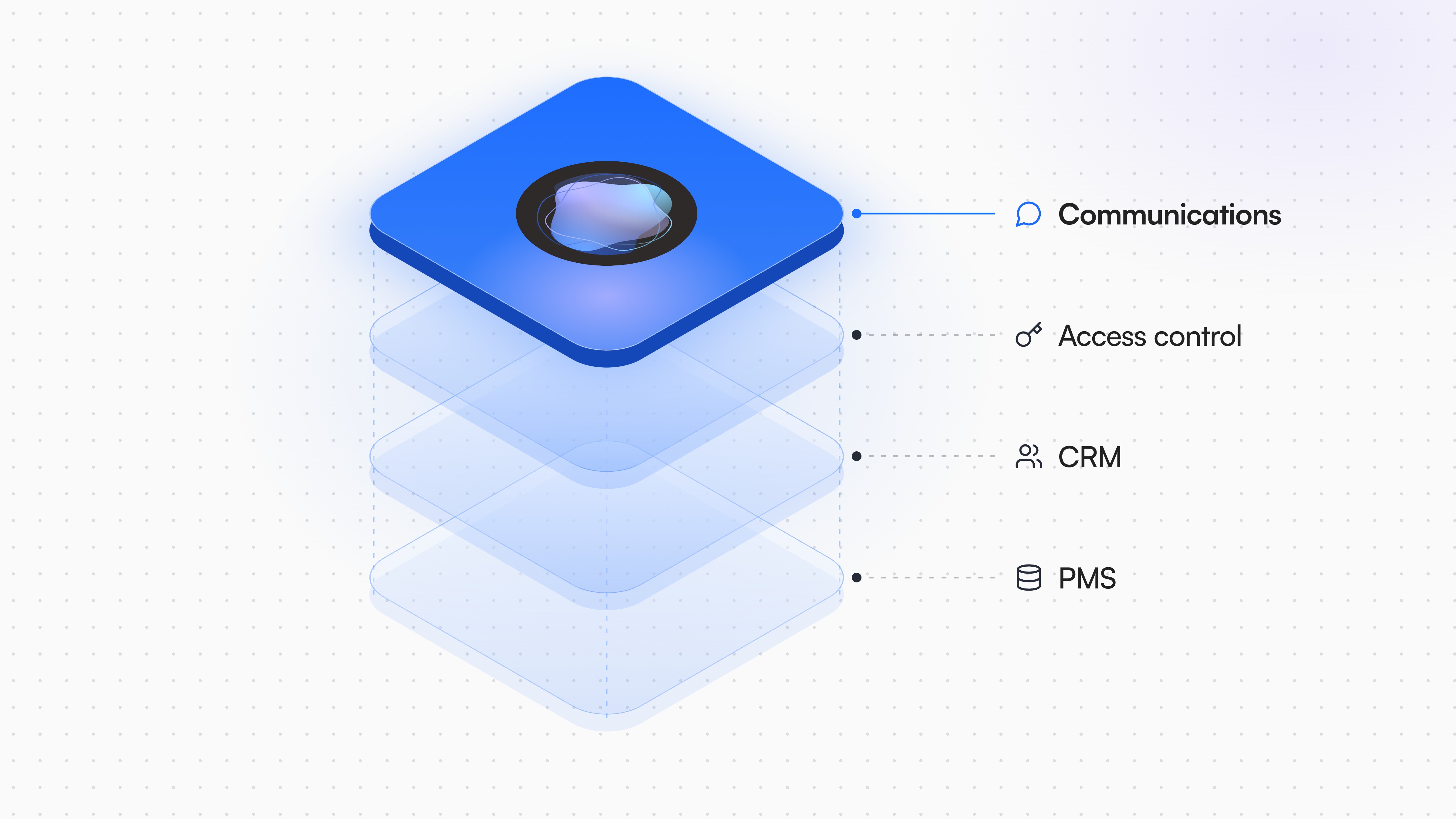
The system may also connect with external business tools. For example, an appointment request can be connected to a scheduling system, while customer information can be recorded in a CRM. This is what separates conversational AI from a basic recorded phone menu. A traditional auto attendant primarily directs callers. An AI receptionist can understand a request and potentially complete the next step.
AI Receptionist vs Auto Attendant vs Answering Service
These terms are sometimes used interchangeably, but they describe different approaches.
An auto attendant can be useful when callers simply need to reach the right department. A traditional answering service is better suited to businesses that want human interaction without hiring an internal receptionist. An AI receptionist sits between automation and human support. It can handle routine conversations while transferring situations that require a person.
What Can an AI Receptionist Actually Do?
The capabilities depend on the platform and its integrations, but AI receptionists can support a growing range of routine business interactions.
Common applications include:
- Answering frequently asked questions
- Capturing caller information
- Qualifying leads
- Scheduling and rescheduling appointments
- Confirming bookings
- Routing calls and taking messages
- Providing business information
- Handling after-hours enquiries
- Escalating complex requests
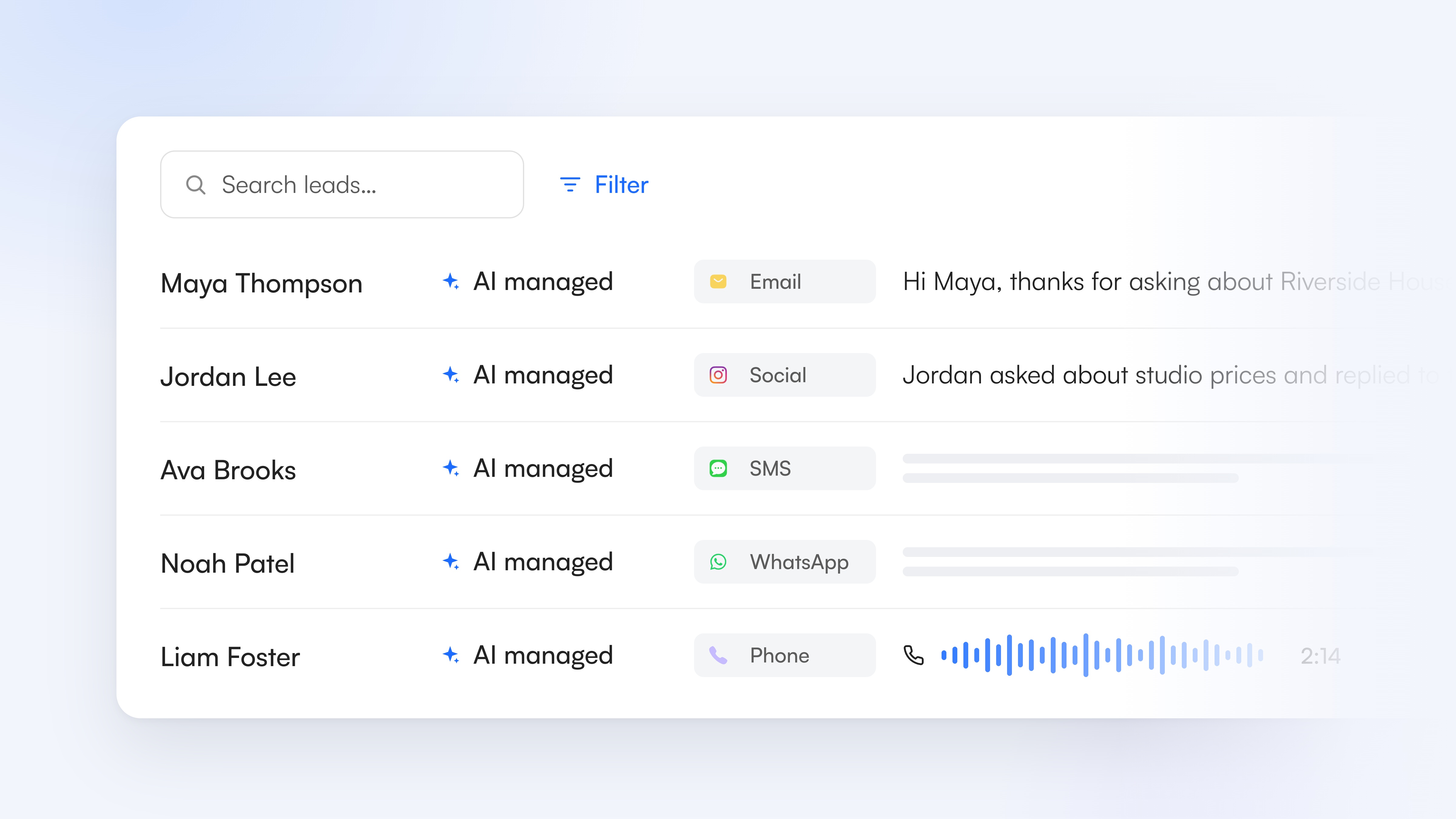
For example, a prospective customer could call outside business hours, ask about a service, provide their preferred appointment time, and schedule a meeting without waiting for the business to reopen.
What Happens When AI Cannot Answer a Call?
A reliable automated answering service should have clear boundaries.
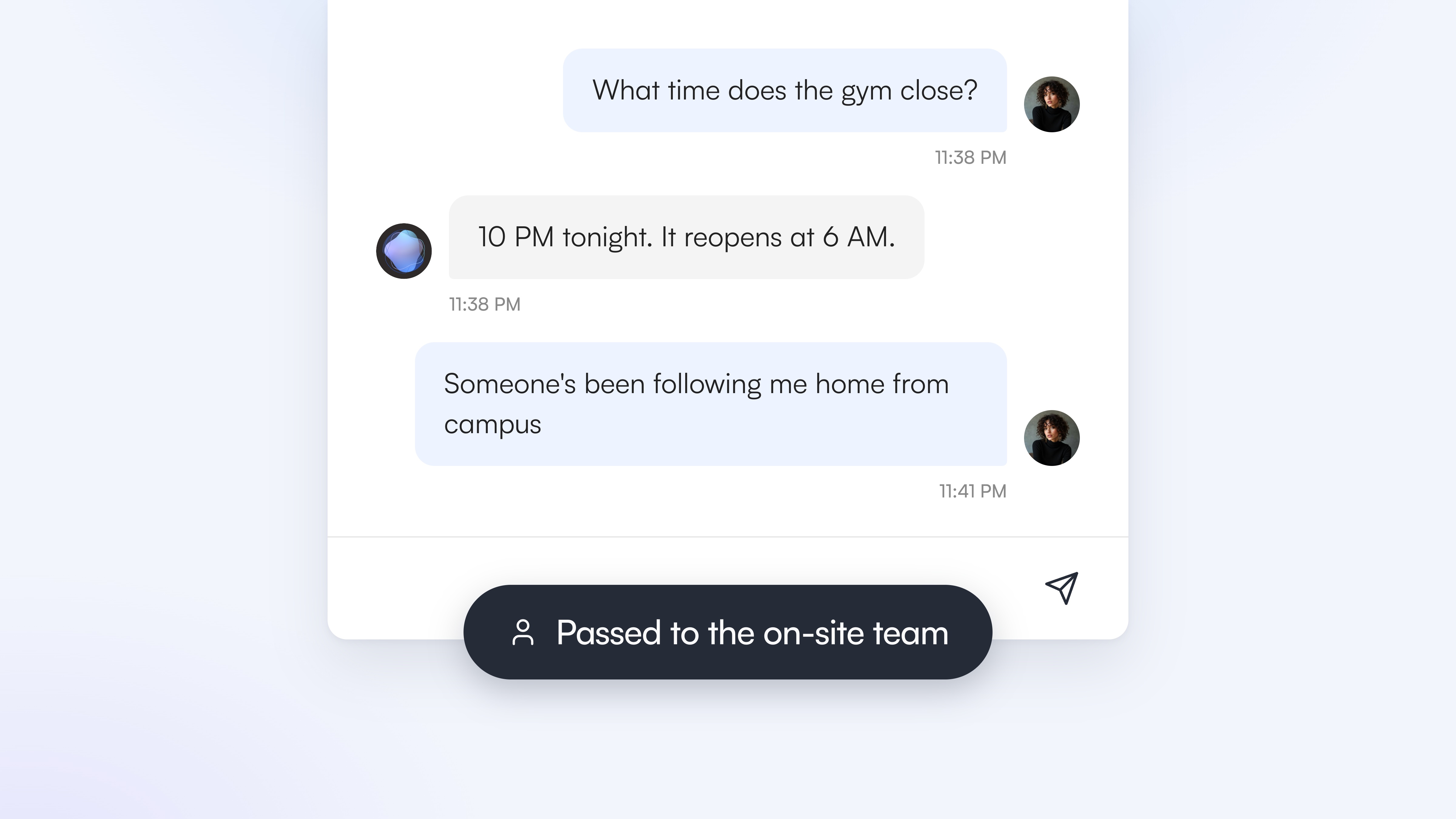
If the AI does not have enough information to answer a question accurately, it should not invent an answer. Instead, it can explain that additional assistance is needed, route the caller to a person, or create a follow-up request.
Human escalation is particularly important for conversations involving sensitive information, unusual requests, complaints, negotiations, or decisions that require professional judgement. The objective of AI call handling is therefore not to eliminate human involvement. It is to ensure employees are involved where their expertise creates the most value.
When Should a Business Use Automated Call Handling?
Automated call handling can be particularly useful when a business receives a high volume of repetitive calls or regularly misses calls because employees are unavailable.
It can help businesses that:
- Receive calls outside normal working hours
- Have small reception or customer service teams
- Handle many repetitive questions
- Need faster appointment scheduling
- Want to reduce call-related administrative work
- Need a consistent first response to every caller
- Want to support customers while employees handle other work
However, automation is not automatically the right choice for every call. Businesses should identify which interactions are predictable enough to automate and which should remain human-led.
What to Look for in an Automated Answering Service
When evaluating an automated answering service, businesses should look beyond whether the system can simply answer a phone call.
Important capabilities include:
Integration is particularly important. An AI receptionist becomes more useful when it can connect conversations with the systems employees already use instead of creating another disconnected workflow.
How VerbaFlo Approaches Automated Call Handling
VerbaFlo takes automated call handling beyond basic call routing by connecting AI conversations with broader customer engagement workflows.
Instead of simply answering a caller's question, an AI-powered interaction can help understand intent, collect relevant information, qualify an enquiry, schedule an appointment, or route the conversation to the appropriate team member when human assistance is required. This makes automated answering part of a connected customer journey rather than a standalone phone system.
The Future of Automated Answering Services
Automated answering has evolved from simple recorded menus into increasingly conversational systems. The next stage is not about fully automating every business call. It is about determining which parts of a conversation AI can handle efficiently and where human involvement remains valuable.
AI receptionists can respond immediately, handle routine requests, support customers outside traditional business hours, and connect conversations to scheduling, CRM, and other business workflows. Book a demo to see how it works.