
Build to Rent (BTR) has been designed around a professionally managed resident experience. From the first enquiry through to move-in, maintenance, renewals and day-to-day communication, operators manage multiple interactions across the resident lifecycle.
As BTR communities scale, managing these interactions manually becomes increasingly difficult. Residents expect quick responses, convenient services and consistent communication, while operators need to maintain efficient operations across growing portfolios.
This is where AI for Build to Rent is becoming increasingly relevant.
AI is already appearing across rental living through chatbots, repair triage, predictive maintenance, analytics, pricing and communications. The Association for Rental Living (ARL) notes that the sector's question is increasingly not whether AI will be used, but whether it will be governed effectively.
For BTR operators, the opportunity is to apply AI where it can remove repetitive work, improve responsiveness and support better resident experiences, while keeping people responsible for decisions that require judgement.
Where Does AI Fit in the BTR Resident Lifecycle?
The value of BTR technology becomes clearer when AI is viewed across the entire resident journey, not as a single tool.
This lifecycle approach is particularly relevant to BTR because communities are professionally managed and designed around a consistent resident experience.
AI for BTR Leasing and Enquiries
The resident lifecycle begins before someone becomes a resident. Prospective renters may enquire about availability, pricing, amenities, pet policies, viewing times or application requirements. If every enquiry requires a member of the leasing team to respond manually, response times can become difficult to maintain as communities grow.
AI can provide an immediate first response, answer routine questions, collect information and help qualify enquiries. For example, a prospective resident could ask about available homes, provide their preferred move-in date and request a viewing. An AI-powered system can handle the initial conversation and, where integrated with the relevant systems, move the prospect towards scheduling a viewing.
This does not mean replacing leasing teams. Instead, it allows staff to spend more time on conversations where their expertise and personal involvement are most valuable.
AI can also provide coverage outside normal office hours, helping operators respond to routine enquiries, qualify prospects and support viewing scheduling when onsite teams are unavailable.
AI for Viewings, Applications and Move-In
Once a prospect decides to explore a BTR community, the process involves several administrative steps. Viewings need to be scheduled, confirmations sent, and questions answered. Once an application begins, prospects may need updates about documentation, timelines and next steps.
AI can support these interactions by:
- Scheduling and confirming viewings
- Sending reminders
- Answering routine application questions
- Providing updates on outstanding information
- Sharing move-in instructions
- Sending reminders about important dates
The benefit is consistency. Rather than relying on different team members to remember every follow-up, automated workflows ensure routine communication happens at the right point in the resident journey.
AI for the Move-In Experience
Move-in is one of the first major opportunities to establish a positive relationship with a new resident. Residents may have questions about keys, access, utilities, parking, amenities, parcels, community rules and other practical details. Providing this information quickly can reduce unnecessary calls to the onsite team.
AI can act as an additional communication layer, helping residents find routine information and receive reminders without requiring staff intervention for every question. This is particularly useful in larger BTR communities where the same questions may be asked repeatedly by different residents.
AI for Day-to-Day Resident Communication
The largest opportunity for BTR automation may come after move-in. Residents interact with operators throughout their tenancy, asking about amenities, parcels, payments, community facilities, events, maintenance and general property information. AI can handle many of these routine conversations while maintaining a consistent communication experience.
For example, a resident might ask whether they can book the residents' lounge for Saturday, or when their maintenance request will be attended to.
Instead of requiring a property team member to respond manually, AI can provide information or route the request to the appropriate workflow. This helps operators scale resident communication without increasing administrative workloads at the same rate as resident numbers.
AI for Maintenance and Repairs
Maintenance is another area where AI can have a practical role in BTR operations. The ARL has specifically identified repairs and repair triage among existing AI use cases in rental living. It also categorises repairs among lower-risk AI applications that can offer relatively fast returns when appropriately governed.
AI can help residents report issues, gather relevant information and categorise requests before they reach the appropriate team.
For example, a resident reporting a heating issue could be asked relevant follow-up questions before the request is passed to the maintenance team. The system can also provide updates as the request progresses, reducing the need for residents to contact the property team repeatedly.
The objective is not for AI to decide how complex repairs should be handled. Its value lies in improving information capture, triage and communication around the maintenance process.
AI for Renewals and Resident Retention
The resident lifecycle does not end with a tenancy renewal date approaching. Operators need to maintain relationships throughout the tenancy so renewal conversations do not become a last-minute administrative exercise.
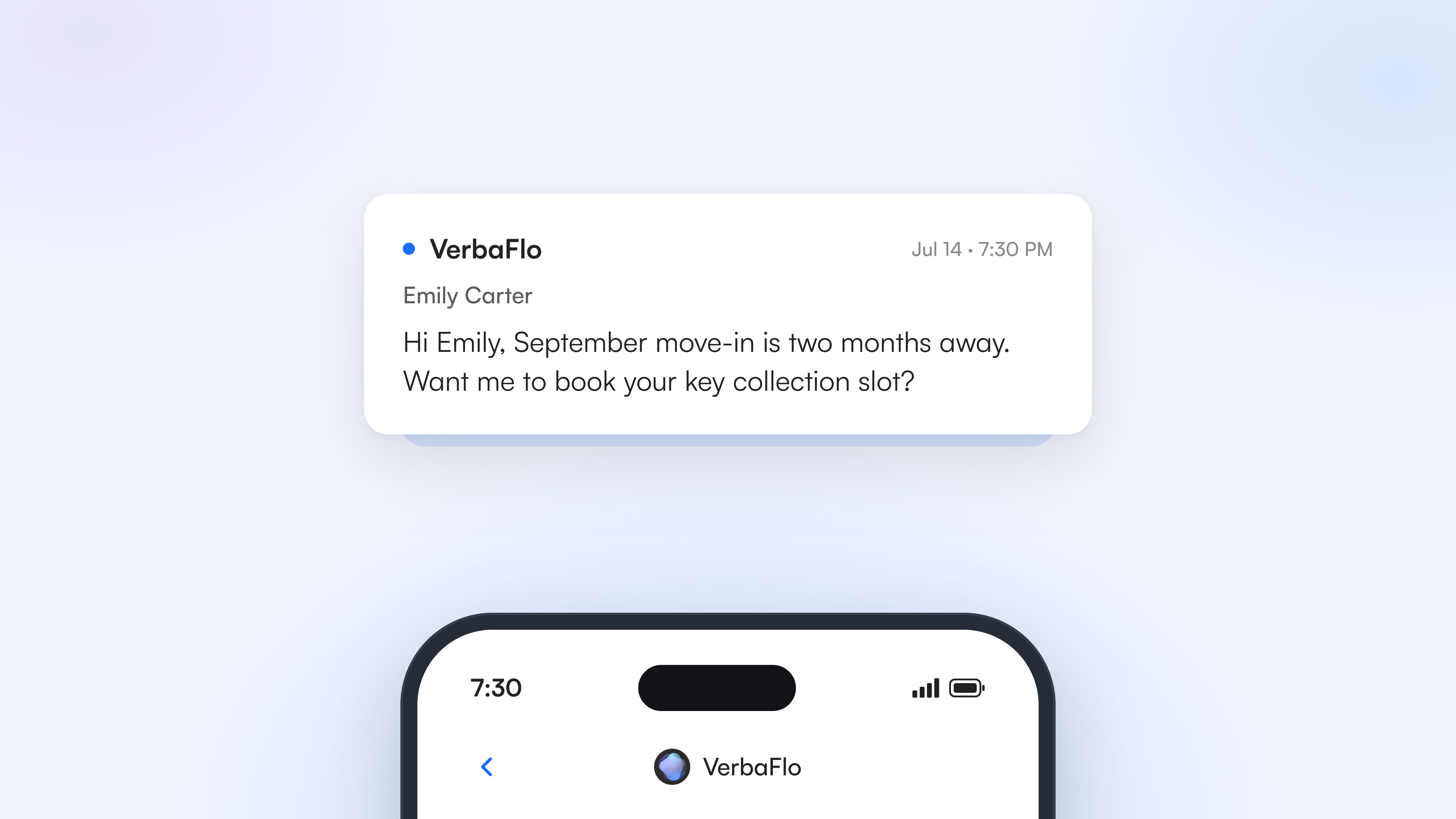
AI can support this by identifying upcoming renewal dates and triggering appropriate communications. It can also help maintain regular resident engagement through reminders, community information and routine conversations. BTR operators already focus heavily on resident retention, with renewal rates and resident retention among important measures of operational performance.
AI does not determine whether a resident should renew. Instead, it helps operators maintain communication and ensure opportunities for meaningful engagement are not missed.
What Should BTR Operators Automate With AI?
Not every BTR process should be automated. A useful starting point is to distinguish between high-volume, repetitive activities and decisions that require human judgement.
Good candidates for BTR automation include:
- Routine resident enquiries
- Viewing scheduling
- Maintenance triage
- Appointment reminders
- Application updates
- Move-in communication
- Renewal reminders
- Frequently requested property information
The ARL's AI guidance distinguishes lower-risk applications, such as communications and repairs, from higher-risk uses including screening, affordability checks, arrears scoring, biometrics and pricing. The latter require enhanced controls, human oversight and formal approval.
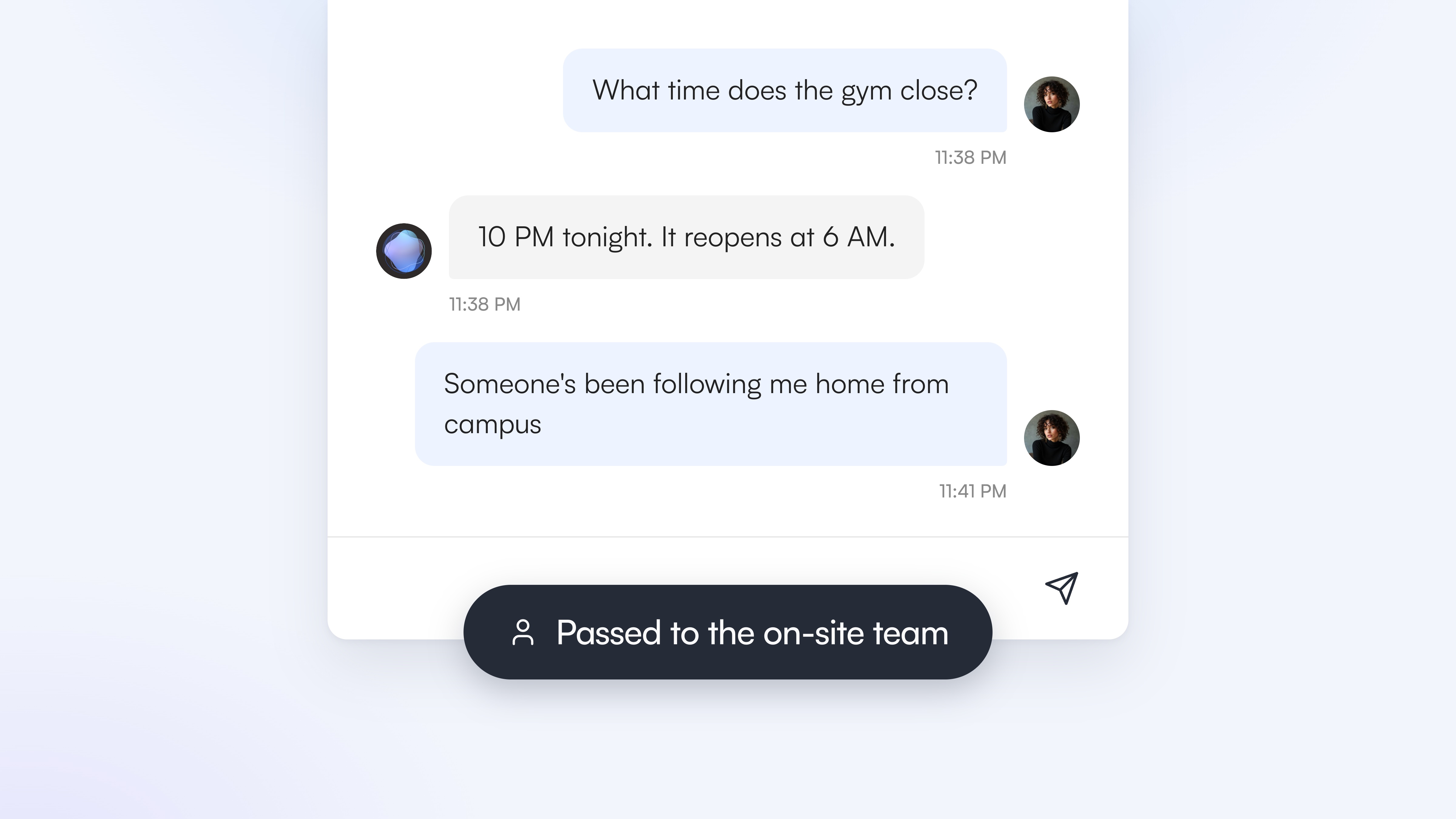
This distinction is important. AI should not be introduced simply because a process can technically be automated. Operators need to consider the consequences of the decision being made and the level of oversight required.
The ARL AI Ladder: A Practical Framework for BTR Operators
The Association for Rental Living's AI in Build to Rent Practical Guide introduces a four-stage AI Ladder designed to help operators progress from basic AI awareness towards mature, trusted deployment. The framework is intended to provide a proportionate pathway rather than encouraging organisations to over-engineer their approach.
The broader principle is useful for BTR operators. Start with practical, lower-risk applications, establish governance and learn from implementation before moving towards more sophisticated AI use cases.
This also reinforces an important point about build-to-rent automation. Technology and governance need to develop together.
The ARL's current guidance emphasises transparency, explainability, proportionate risk management and accountability. It also stresses that responsibility for AI-supported decisions remains with the operator, not the technology provider or algorithm.
How VerbaFlo Fits Into BTR Operations
For BTR operators, conversational AI can be a practical starting point because communication spans almost every stage of the resident lifecycle.
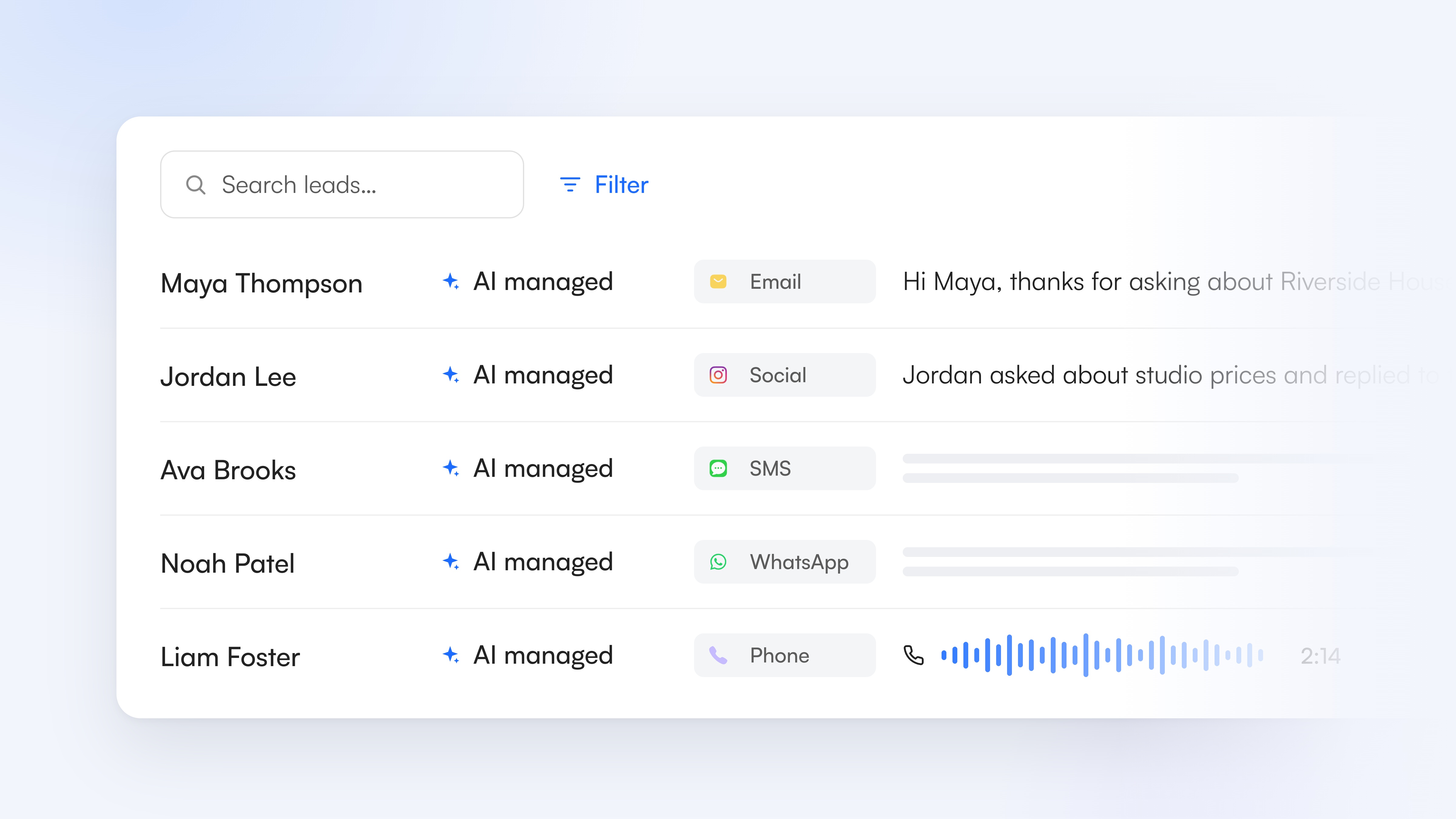
VerbaFlo helps BTR operators automate conversations across leasing, maintenance and resident engagement, allowing routine interactions to be handled more efficiently while keeping property teams involved in higher-value conversations.
This can include responding to prospective residents, qualifying enquiries and scheduling viewings, handling routine resident questions, supporting maintenance communication and sending renewal reminders.
For operators, that means less time spent answering repetitive questions and more time available for relationship-building, problem-solving and community management.
What Does the Future of AI in BTR Look Like?
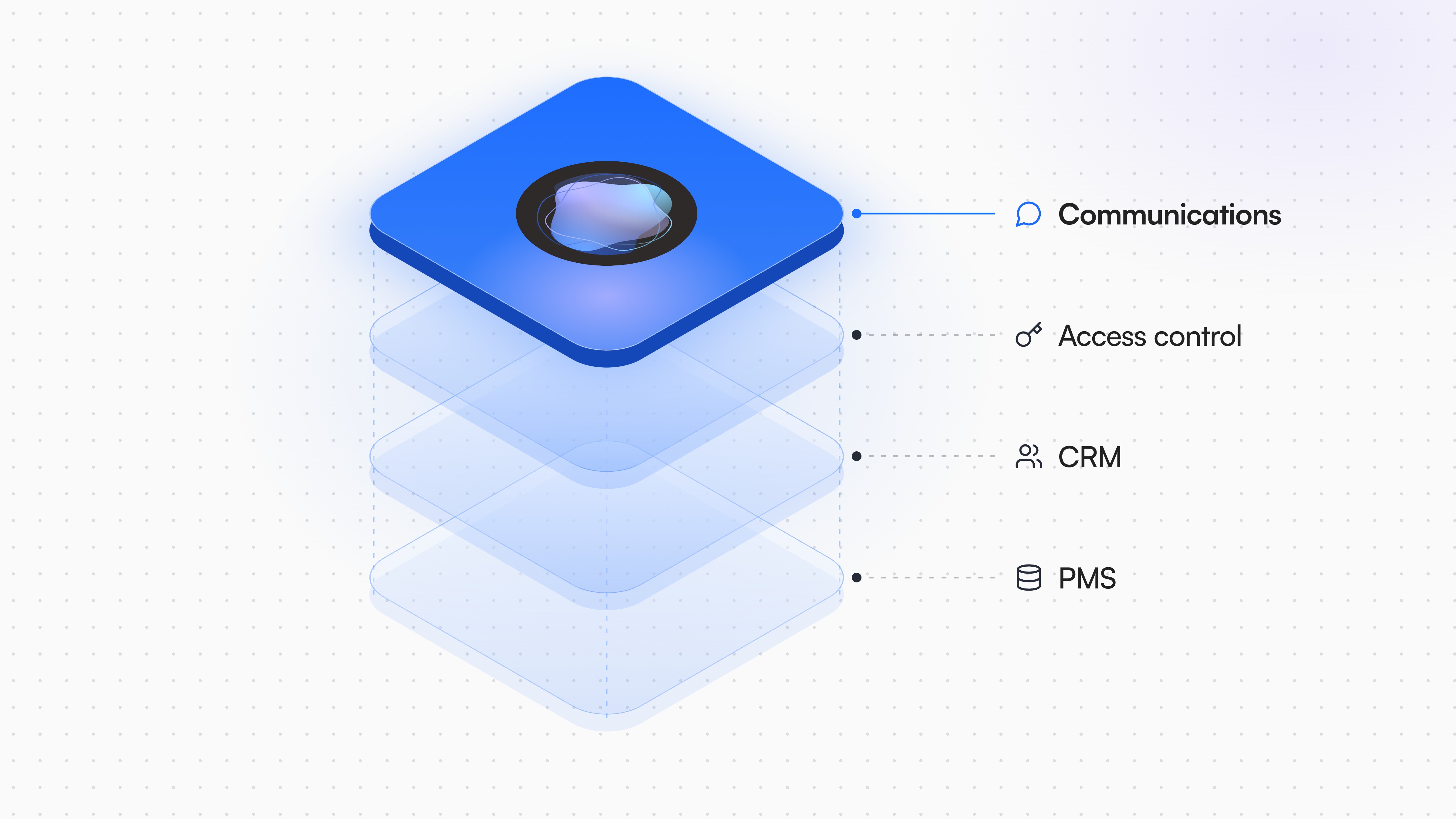
AI will increasingly connect different parts of the resident lifecycle. Leasing conversations, maintenance requests, resident communication, renewals and operational workflows can become part of a more connected technology ecosystem.
The ARL's latest guidance reflects this shift. Its second edition states that AI is already entering rental living through ordinary software and argues that the opportunity is to use it to improve homes, services and performance while governing its use appropriately.
Build to Rent already has the operational structure needed to benefit from connected technology. AI can build on that foundation by helping operators deliver faster communication, more consistent service and more efficient operations across the resident lifecycle. Book a demo to see how it works.