A property operator already holds some of the most sensitive personal data a business can hold, from names and financial records to identity documents and tenancy histories. Adding an artificial intelligence (AI) layer to leasing and resident communication puts all of it through a new kind of processing.
The data protection questions that follow are ones most guidance on AI and the General Data Protection Regulation (GDPR) does not answer, because it is written for horizontal software rather than a portfolio of tenants.
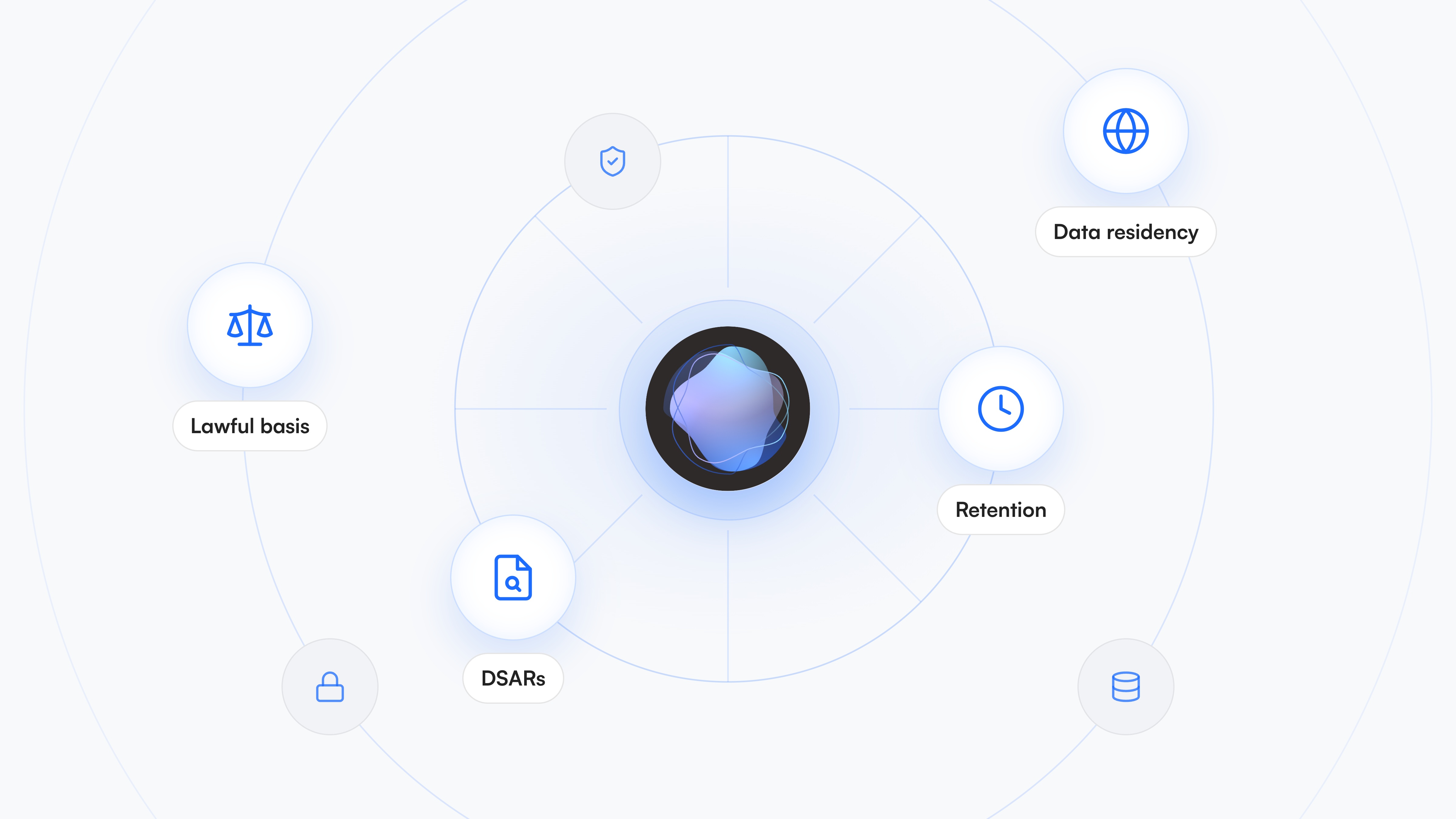
This article works through the four questions a UK operator needs to answer before deploying AI on tenant data. They are the lawful basis for processing, retention, access requests, and where the data lives. It closes with the EU AI Act timeline.
Why AI Changes the Data Protection Picture for Property Operators
The core principles of data protection law did not change when AI arrived, but the way they apply did. The obligations under the UK General Data Protection Regulation (UK GDPR) still hold. What grew is the volume and nature of the processing, and the number of points at which something can go wrong.
The Information Commissioner's Office (ICO), the UK's data protection regulator, holds that when an AI system trains on, generates or makes decisions using personal data, those activities must comply with data protection law. An AI assistant answering an enquiry, qualifying an applicant or logging a maintenance report processes tenant data at each step.
The ICO also stresses that each distinct processing operation must be identified and justified separately. A single AI deployment contains many such operations, and treating it as one undifferentiated system is where compliance breaks down.
One complication is specific to AI. The ICO's guidance on AI and data protection is currently under review to reflect the Data (Use and Access) Act 2025, so operators should check the current position before finalising any framework.
Lawful Basis for Processing Tenant Data With AI
Every processing operation needs a lawful basis, and the ICO is explicit that you must choose the one that most closely reflects the true nature of your relationship with the individual, decide it before you start, and document it.
For a property operator, three of the six bases do most of the work:
- Performance of a contract: covers processing objectively necessary to deliver the tenancy, such as handling a repair request. The ICO is clear that it does not extend to training or improving the AI system on tenant data, because the service can be delivered without that.
- Legitimate interests: the most flexible basis and the one operators most often reach for, but it carries the most work. It requires a documented three-part test, weighing the interest, the necessity, and the balance against the resident's rights. The ICO warns it is not always appropriate, particularly where the use would be unexpected.
- Consent: has a narrower role than operators often assume. It can apply where there is a direct relationship, but it must be freely given, specific and as easy to withdraw as to give. Consent a resident cannot realistically refuse fails that test.
The point that catches operators using a third-party platform is the split between development and deployment. When you deploy a vendor's AI system, the vendor's original processing was for a different purpose, so you need your own lawful basis for your use rather than assuming the vendor's covers you.
Data Retention: How Long Tenant Data Can Be Held
Storage limitation is a core GDPR principle. Data must not be kept longer than the purpose requires, and AI complicates this in a way paper records never did.
The straightforward part is the tenancy record. A former resident's data should be kept only as long as a legitimate purpose requires, often a defined period after tenancy end for legal, tax or dispute reasons, then deleted. A retention schedule by data type is the baseline.
The AI-specific problem is what the system retains beyond the obvious record. Conversation logs, interaction histories and any data used to tune the system are personal data if they relate to an identifiable resident, and they fall under the same retention discipline.
That makes retention a procurement question. An operator needs to establish what the platform stores, for how long, and whether resident data sits inside the model or service.
If tenant conversations are kept to improve the service, that is a separate purpose needing its own lawful basis and retention limit, not one folded into the tenancy contract.
Handling DSARs When AI Systems Process Tenant Data
A Data Subject Access Request (DSAR) gives an individual the right to a copy of their personal data and information about how it is processed. Any resident can make one, and the timescale is tight, generally a month.
AI widens the surface a DSAR has to cover. A resident's personal data no longer sits only in the tenancy file; it may be in chat transcripts, interaction logs, and records of automated interactions. A response that returns the file but misses the conversation history is incomplete.
Two capabilities make this manageable, both worth confirming before deployment. The first is that all personal data the system holds about a resident can be retrieved and exported in a readable form.
The second is that the operator can explain the logic of any automated processing, since a DSAR can extend to meaningful information about automated decision-making.
That second capability is becoming more important. The Data (Use and Access) Act 2025 amended the UK rules on automated decision-making, so where an AI system materially affects a resident, for example in screening, the safeguards around solely automated decisions deserve current advice.
Data Residency: Where Tenant Data Is Allowed to Live
Where tenant data physically sits is a compliance question as much as a technical one. Transfers outside the UK are restricted and permitted only with appropriate safeguards, so an operator needs to know which country holds the data and under what mechanism.
For a UK operator, the practical questions for any platform are direct:
- Location: where are the platform's data centres.
- Cross-border processing: is tenant data processed or stored outside the UK.
- Transfer mechanism: if it is, what safeguard permits the transfer.
A platform that keeps UK tenant data in the UK, or transfers it only under a recognised safeguard, removes a risk the operator would otherwise carry.
The EU AI Act: A Second Regime for Operators With European Exposure
Data protection is not the only framework in play. The EU AI Act adds a second regime. It entered into force on 1 August 2024, applying in stages.
Prohibitions on unacceptable-risk systems and AI-literacy duties applied from February 2025, general application follows on 2 August 2026, and obligations on high-risk systems arrive in December 2027.
Conversational AI for leasing and resident communication is not a prohibited use, and it is not automatically high-risk. What the Act broadly requires is transparency, so people should know when they are interacting with an AI system rather than a person.
For most operators the immediate task is to classify the risk of what they deploy, rather than assume the Act does not reach them.
How VerbaFlo Approaches Data Protection
The thread through all four questions is that the operator carries the accountability, and the platform either makes that manageable or harder. The right platform is built for the obligations above rather than leaving them to the operator alone.
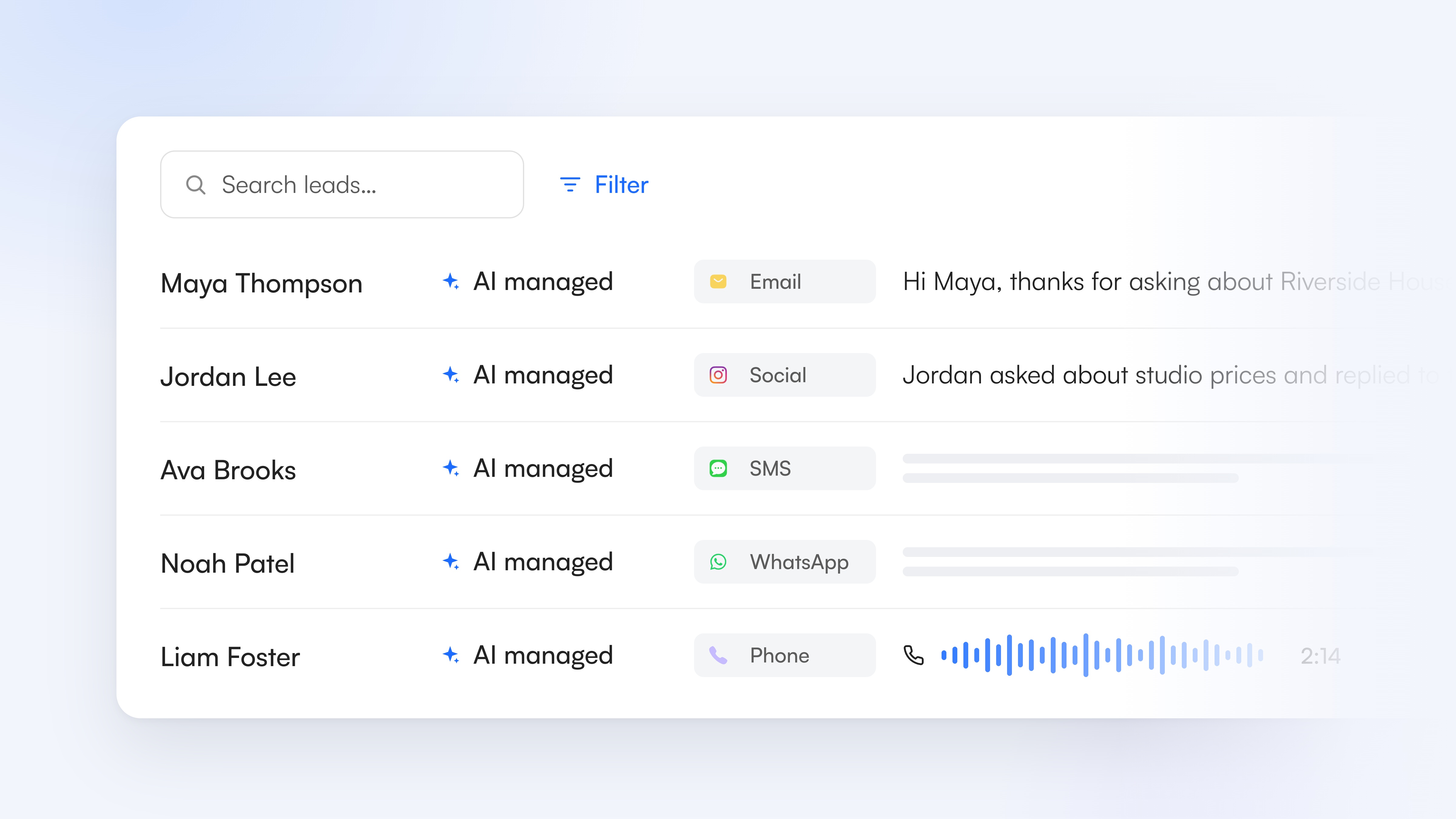
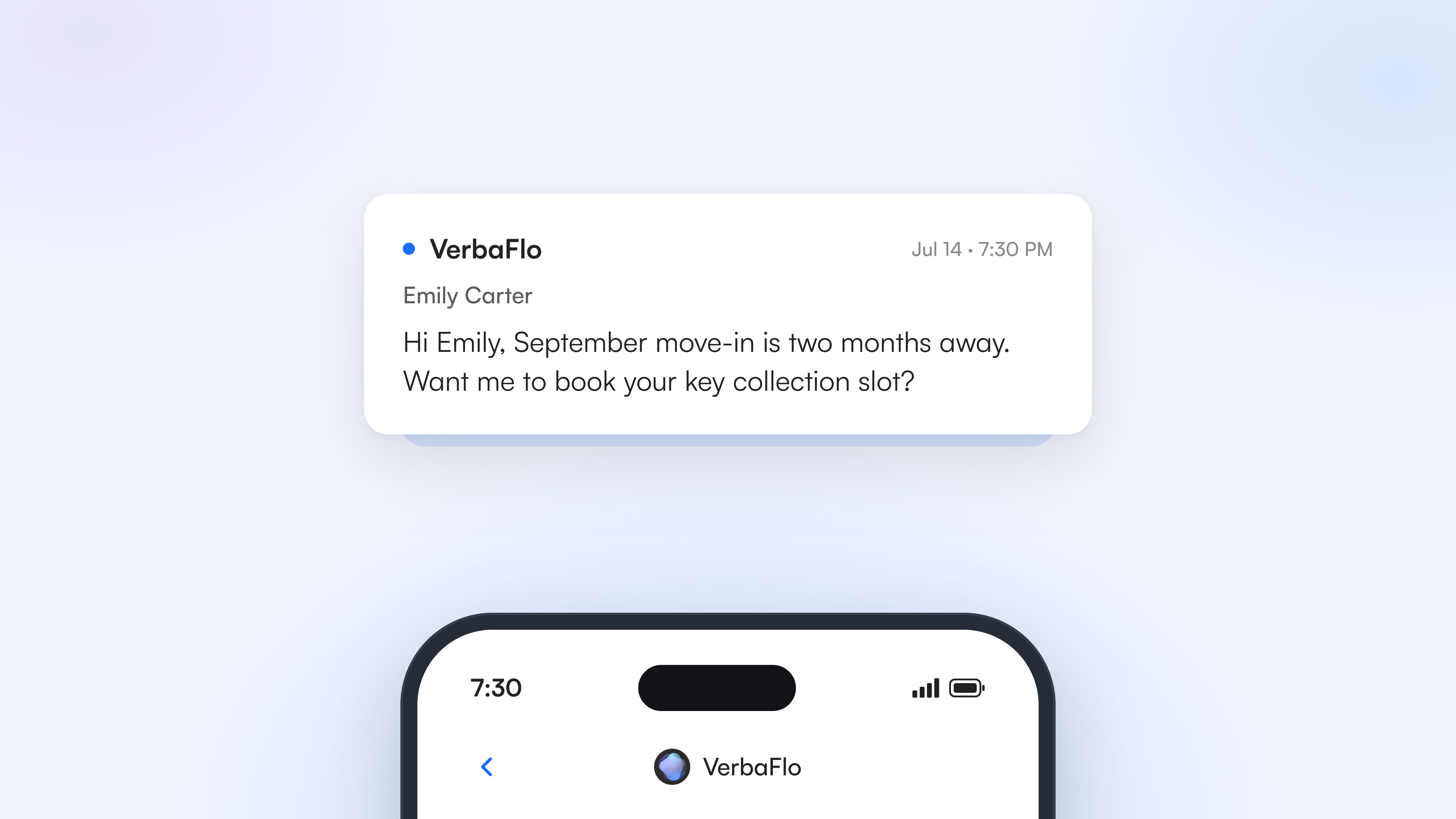
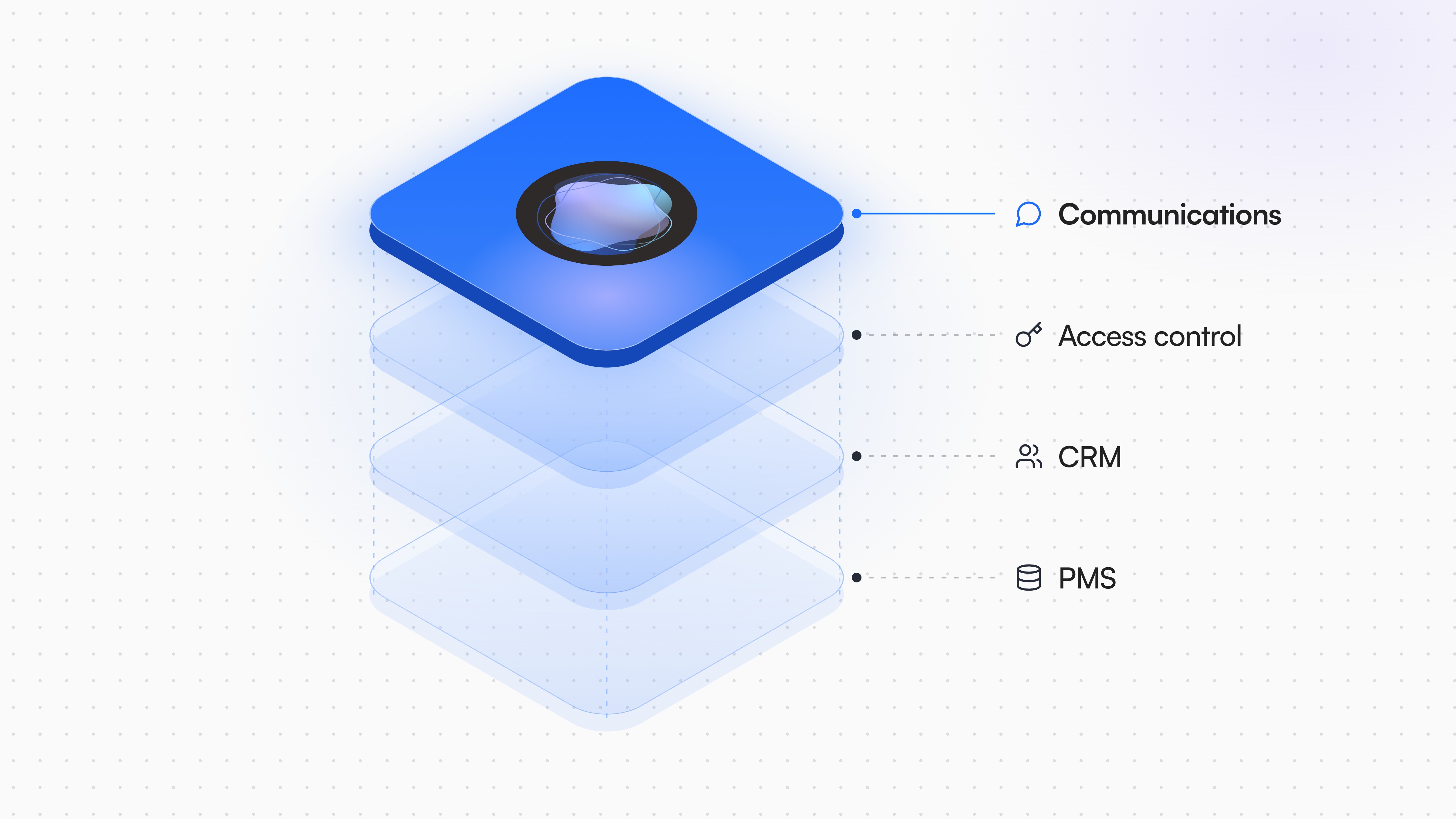
VerbaFlo is a conversational AI platform built for residential real estate operators, and data protection is designed into how it handles tenant communication:
- Processing you can account for: it answers from the operator's own approved content and records interactions, so the processing is defined and documented rather than opaque.
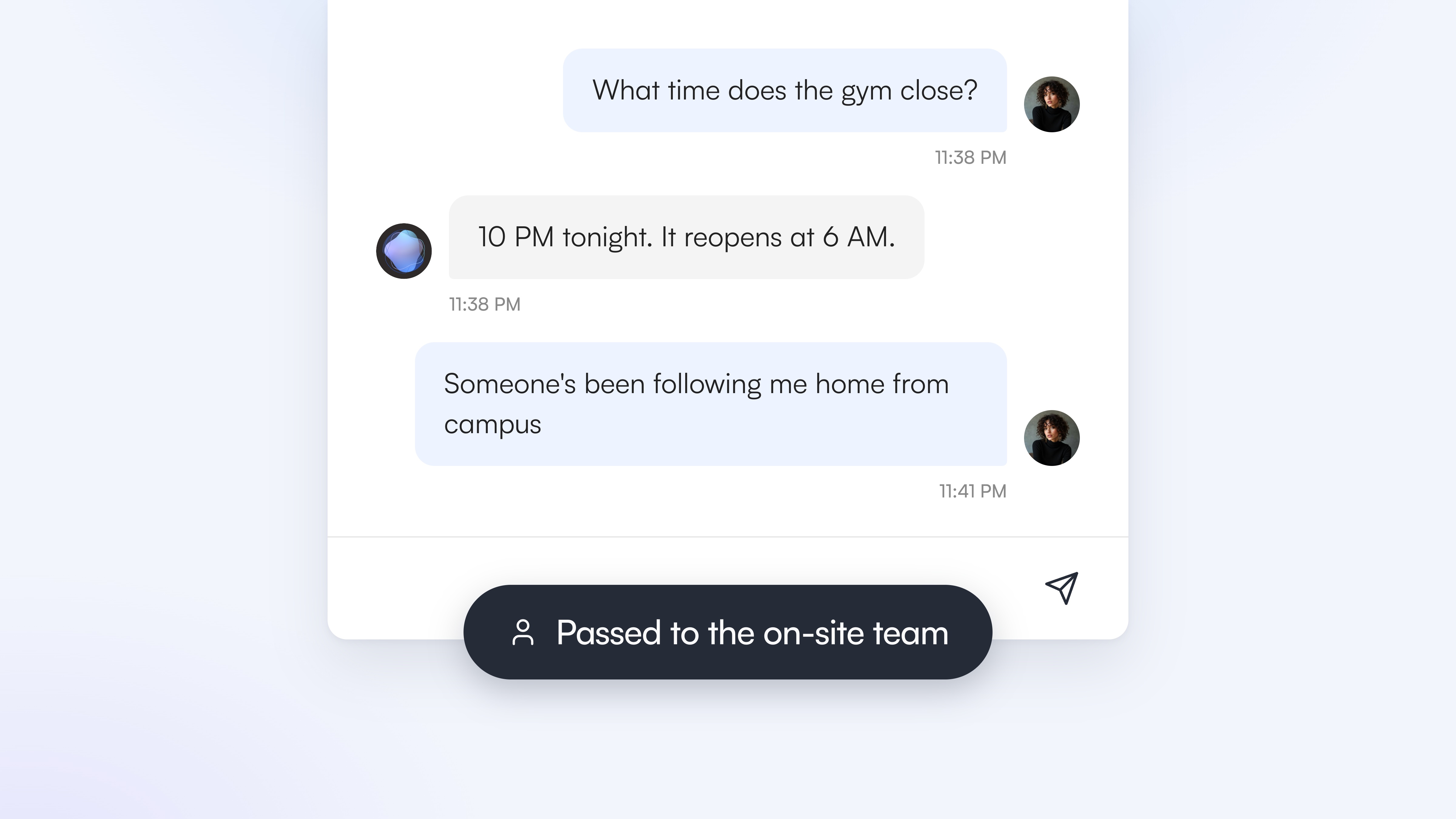
- Human oversight on consequential steps: it escalates to a person where a situation needs judgement, keeping decisions that affect a resident out of a solely automated path.
- Built for a regulated market: serving UK operators, it is designed around UK and European data protection expectations rather than retrofitted to them.
The specifics to confirm during procurement are the same for any platform. They are the lawful basis for each operation, retention periods, whether conversations improve the service, DSAR support, and where tenant data is held.
VerbaFlo is built to answer those questions rather than deflect them. Book a demo to see how.