
Chasing rent arrears is one of the most sensitive things a property operator does. The person on the other end is often in financial distress, and the way they are contacted can help them resolve the situation or make it worse.
Automating that contact through SMS and voice raises the stakes, because a system can send a hundred messages as easily as one.
That is why automated arrears contact is a compliance problem before it is an efficiency gain.
This article sets out the duties that shape how operators may contact people in arrears, how they map onto automated sequences, and how the UK compares with the United States.
Why Automated Arrears Contact Is a Compliance Problem First
The rules governing arrears contact exist because the activity carries real potential for harm. Someone behind on rent may be dealing with job loss, illness, bereavement or a benefit delay, and relentless contact can deepen distress rather than resolve the debt.
Automation changes the risk profile in two directions. It makes good practice easier, because reminders can go out consistently, at reasonable times, with a clear route to help.
It also makes bad practice easier, because a misconfigured sequence can contact someone far more often than a person would, without noticing the signs that they are struggling.
The compliance question is therefore how to automate within the duties that protect people in arrears. Those duties come from more than one place, and the first task is knowing which apply.
The UK Rules That Shape Arrears Contact: FCA CONC, Consumer Duty and the Pre-Action Protocol
An important distinction sits at the centre of this topic, and getting it right is what separates accurate guidance from the generic material that treats all debt the same.
The Financial Conduct Authority's Consumer Credit sourcebook, CONC 7, governs the recovery of debts under regulated consumer credit agreements. It requires firms to treat customers in arrears with forbearance, avoid disproportionate contact, signpost free debt advice, and protect vulnerable customers.
CONC applies to lenders and debt collectors recovering consumer credit, so it binds a regulated firm directly.
Residential rent is not consumer credit, so a landlord collecting rent arrears is not usually bound by CONC in the way a lender is. What governs a landlord instead is housing law, harassment law, and, before any possession claim in England and Wales, the Pre-Action Protocol for Possession Claims by Social Landlords.
The protocol requires a landlord to contact the tenant as soon as reasonably possible to discuss the cause of the arrears, the tenant's financial circumstances and benefit entitlement, and to try to agree affordable repayment. Courts take into account whether it was followed.
Despite the different legal routes, the duties point the same way. Contact people fairly, give them time, treat those in difficulty with forbearance, and take particular care with anyone vulnerable.
CONC's principles are widely treated as the benchmark for good practice, which makes them a sensible standard to design an automated system around even where they do not bind a landlord as a matter of law.
Contact Frequency, Consent and Timing in Automated Sequences
The practical work of compliance is turning those duties into rules a sequence obeys. Three settings matter most.
- Frequency: a sequence should cap how often it contacts a person, well below the point where reminders become pressure. Excessive contact is a compliance risk in its own right, and an automated system repeats itself indefinitely unless told not to.
- Timing: contact should be limited to reasonable hours. An SMS or call about arrears at night is distressing and hard to defend, so restricting sends to daytime hours is a basic safeguard.
- Consent and channel: a person's channel preferences and any request to stop contact on a given medium must be recorded and honoured. If someone asks not to be texted, the system has to know, and a request to stop must actually stop the sequence rather than pause it.
The point running through all three is that the sequence should be built to the safest reasonable standard. A cap comfortably below any regulatory line, treating a request to stop as final, is easier to defend and less likely to cause harm.
Identifying and Protecting Vulnerable Customers in Automated Contact
Vulnerability is where automated arrears contact is hardest, and where a person must stay in control. The FCA expects firms to identify and support vulnerable customers, and the same expectation runs through the housing protocols, because someone in arrears is more likely to be experiencing difficulty.
An automated system can help, within limits. It can flag signals that warrant a human look, such as a sudden stop in payments, a disclosure of hardship in a reply, repeated missed arrangements, or language suggesting distress. Surfacing those to a person quickly is a valuable use of automation.
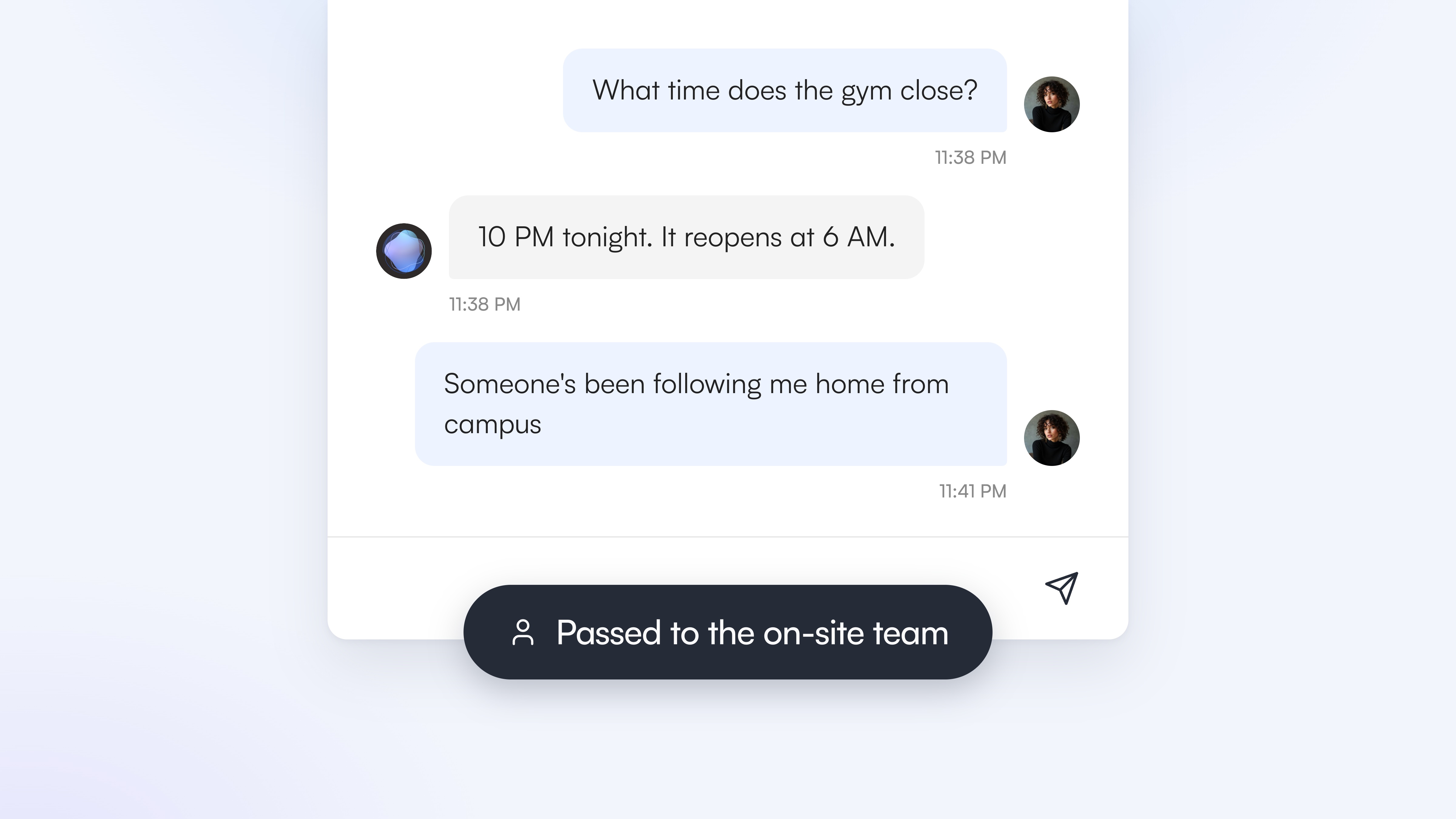
What the system must not do is decide. Whether someone is vulnerable, and what support they need, is a judgement that requires a person, not a threshold. A model reading a message cannot reliably tell crisis from frustration, and treating its guess as a determination is where automated contact causes harm.
The safe design is firm. When a vulnerability signal appears, the sequence should pause and hand the person to a trained member of staff rather than continue chasing.
Sending scheduled reminders to someone who has disclosed a crisis is the clearest way to turn a compliance framework into a complaint, and a person into a casualty.
How This Compares to US Regulation F and the 7-in-7 Rule
The United States takes a more prescriptive approach to contact frequency, which is useful as a reference point even though it does not apply to UK operators.
Regulation F is the Consumer Financial Protection Bureau's rule under the Fair Debt Collection Practices Act, and it includes the widely cited seven-in-seven rule.
A debt collector is presumed to comply if it places no more than seven calls to a person about a particular debt within seven consecutive days, and makes no call within seven days of speaking to them.
Regulation F also restricts contact to between 8am and 9pm, and requires an easy way to opt out of electronic messages.
Two points are worth drawing out. Regulation F applies to third-party debt collectors pursuing consumer debt rather than to a landlord collecting its own rent, so it serves as a benchmark for a UK property operator rather than a binding rule.
Its numeric cap marks an outer edge rather than a recommended cadence. Seven calls in seven days is the limit of a presumption, well above what someone in arrears should reasonably receive.
The contrast is instructive. The US sets a bright-line number, while the UK relies on principles of fairness, proportionality and forbearance. The safest course satisfies both, with a conservative frequency cap sitting inside a framework built around fair treatment and vulnerability.
How VerbaFlo Approaches Compliant Arrears Contact
The thread through this article is that arrears contact must be built around protecting the person, with automation handling the routine and a human holding every consequential judgement. That is the model an operator should hold a platform to.
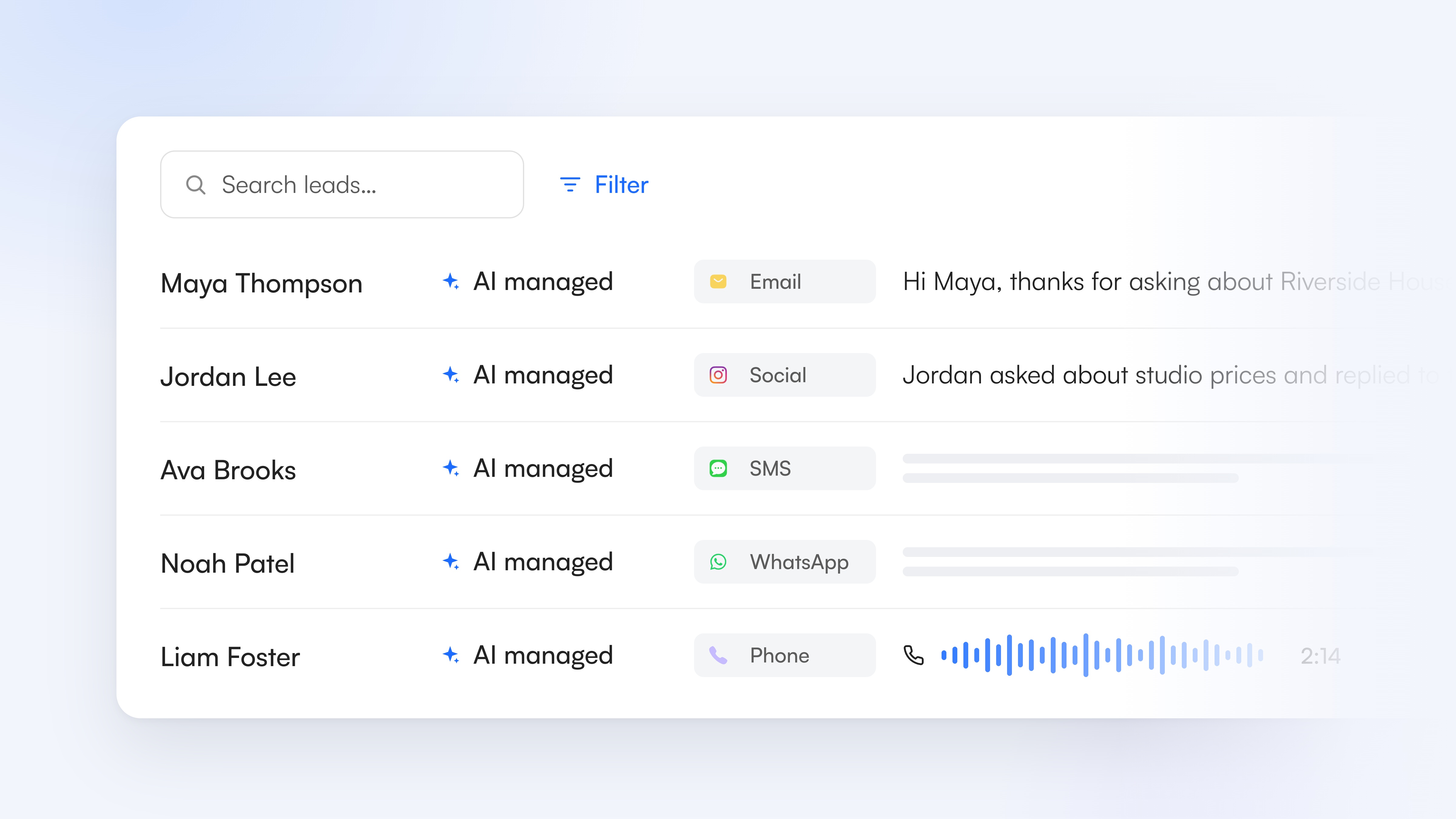
VerbaFlo is a conversational AI platform for residential real estate operators, and its debt and arrears contact is designed for that division of labour:
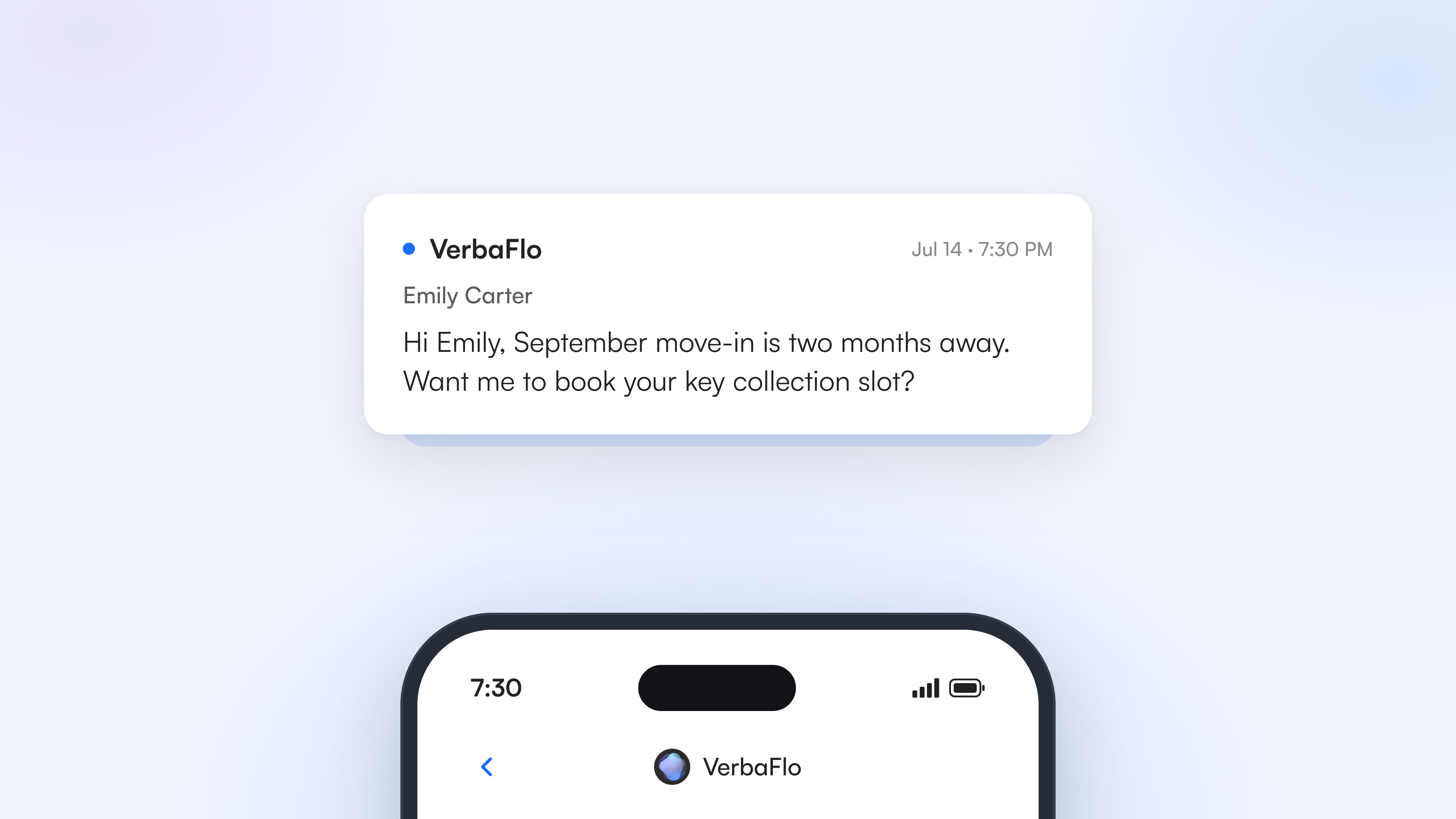
- Contact within limits: reminders and payment arrangements run to configured frequency and timing rules, so the sequence stays inside the caps an operator sets rather than repeating without end.
- A person on any signal: where a reply or a pattern suggests vulnerability or distress, it hands over to a member of staff with the conversation history, rather than continuing to chase.
- Consistent and recorded: contact is logged and channel preferences are honoured, which supports the record an operator needs to show fair, proportionate treatment.
The division is the point. Automation carries the reminders and the arrangements; a person carries the vulnerability judgement and any step that affects someone's home. See how it fits your arrears process. Book a demo.