
For businesses serving customers across the United States, answering every call in the caller's preferred language can be challenging. This is especially true for businesses that regularly receive calls from Spanish-speaking customers but do not have Spanish-speaking staff available at all times.
A missed call can mean a missed appointment, lost sales opportunity, or frustrated customer. A caller who struggles to communicate in English may also be less likely to continue the conversation if they cannot get the information they need.
A bilingual answering service helps businesses bridge this gap by enabling customers to communicate in both English and Spanish. Traditionally, this has meant using bilingual receptionists or outsourced answering teams. Today, AI-powered solutions are adding another option, allowing businesses to handle routine conversations, capture information, schedule appointments and route calls without requiring a bilingual employee to be available for every interaction.
What Is a Bilingual Answering Service?
A bilingual answering service allows businesses to handle customer calls in more than one language, most commonly English and Spanish in the US market. A traditional service typically uses trained receptionists who answer calls, collect information, respond to basic questions, take messages and transfer calls when necessary.
A Spanish answering service focuses specifically on supporting Spanish-speaking callers, while a bilingual virtual receptionist may handle both English and Spanish-speaking customers as part of the same service.
Depending on the provider and business requirements, bilingual call handling may include:
- Answering inbound calls in English and Spanish
- Taking messages and collecting caller information
- Responding to frequently asked questions
- Scheduling appointments
- Routing calls to the appropriate employee
- Handling after-hours enquiries
- Following predefined scripts and business processes
The objective is simple. Customers should not have to speak English perfectly to receive a responsive and professional experience.
Why Spanish-English Call Handling Matters in the US
According to the US Census Bureau's 2024 American Community Survey, 44.9 million people aged 5 and over in the US speak Spanish at home, representing 13.9% of the population aged 5 and over.
For companies that regularly serve Spanish-speaking customers, offering communication in Spanish can remove friction from the customer journey. This is particularly important for businesses where calls involve detailed questions, appointments, pricing, property information, service requests, or other decisions that are difficult to navigate when communication is unclear.
A caller who cannot comfortably communicate with the person answering the phone may:
- End the call without getting the information they need
- Delay making a purchase or booking
- Call another business
- Leave a message that requires additional follow-up
- Avoid contacting the business again
Human Bilingual Receptionist vs AI: Which Is Better?
The right approach depends largely on the type of conversations your business receives.
Human receptionists remain valuable when callers need judgement, negotiation, emotional support, or highly personalised assistance. AI can be more effective for repetitive, predictable conversations, especially when businesses need coverage outside normal working hours or receive more calls than their internal team can consistently handle.
For many businesses, the most practical approach may not be choosing one over the other. AI can handle routine bilingual interactions while escalating conversations that require a human representative.
How a Bilingual Virtual Receptionist Handles Calls
A bilingual virtual receptionist can manage several stages of an inbound call without requiring an internal team member to answer immediately. For example, a Spanish-speaking customer might call to ask whether an appointment is available next week. The system can respond in Spanish, collect the customer's preferred date and time, check available slots and confirm the appointment.
A similar conversation could happen in English without requiring separate workflows.
The process can include:
- Identify the caller's language preference
- Respond in English or Spanish
- Understand the caller's request
- Provide approved information
- Collect relevant customer details
- Complete routine actions such as scheduling
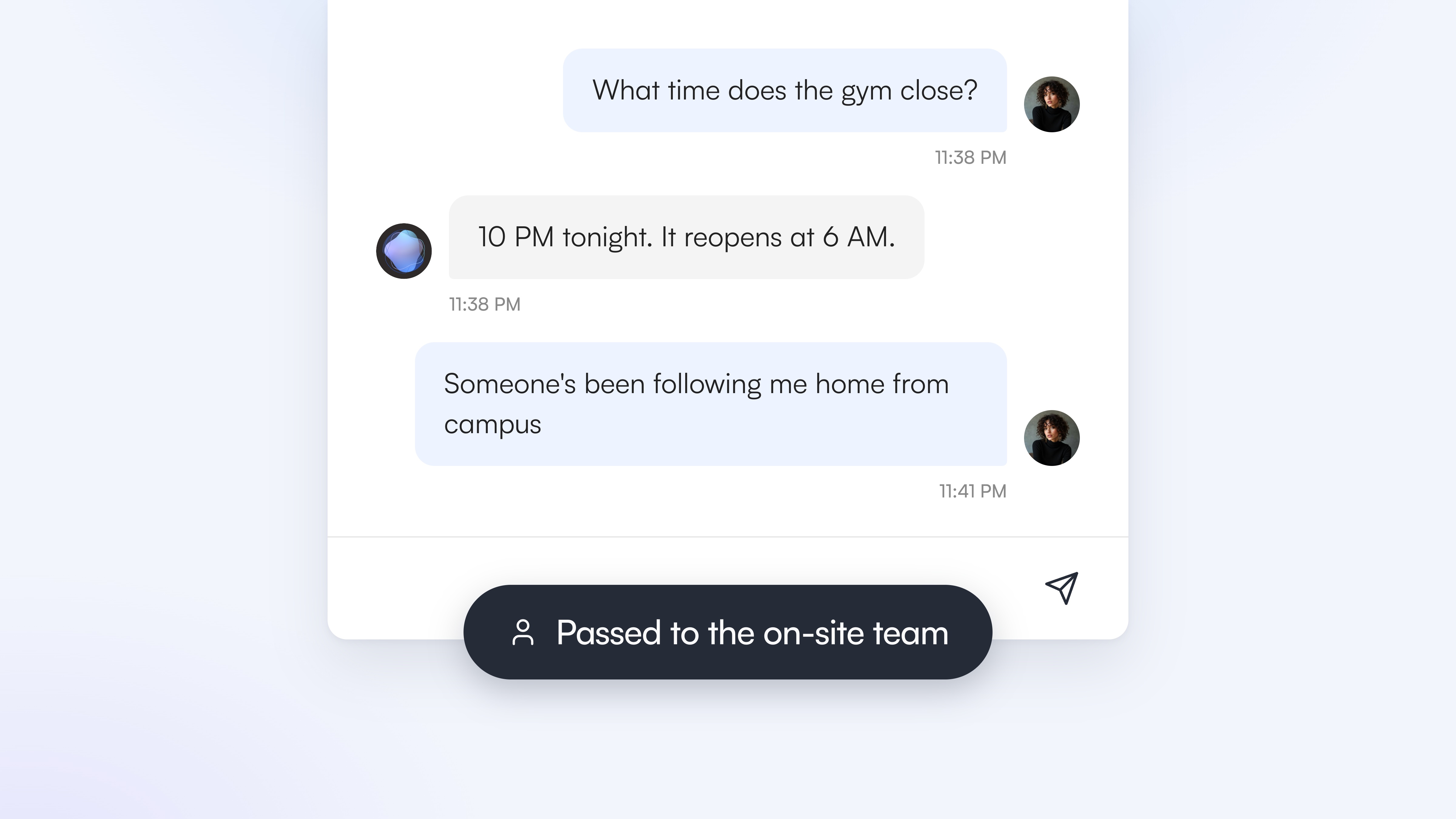
- Escalate the conversation when human assistance is required
This creates a more consistent experience while reducing the number of routine calls employees need to handle manually.
Beyond Translation: Why Bilingual Call Handling Needs Context
Simply translating an English response into Spanish is not the same as providing a useful bilingual customer experience. A caller may ask a follow-up question, provide additional information, or change their request during the conversation. Effective bilingual call handling needs to maintain the context of the interaction rather than treating every sentence as an isolated translation task.
For example, a Spanish-speaking real estate prospect might initially ask about apartment availability and then ask about pet policies, move-in dates and tour appointments. The system needs to understand that these questions are part of the same leasing conversation.
This is where conversational AI can outperform basic translation tools. It can connect the conversation to business information and workflows rather than simply converting one language into another.
How VerbaFlo Supports Bilingual Customer Conversations
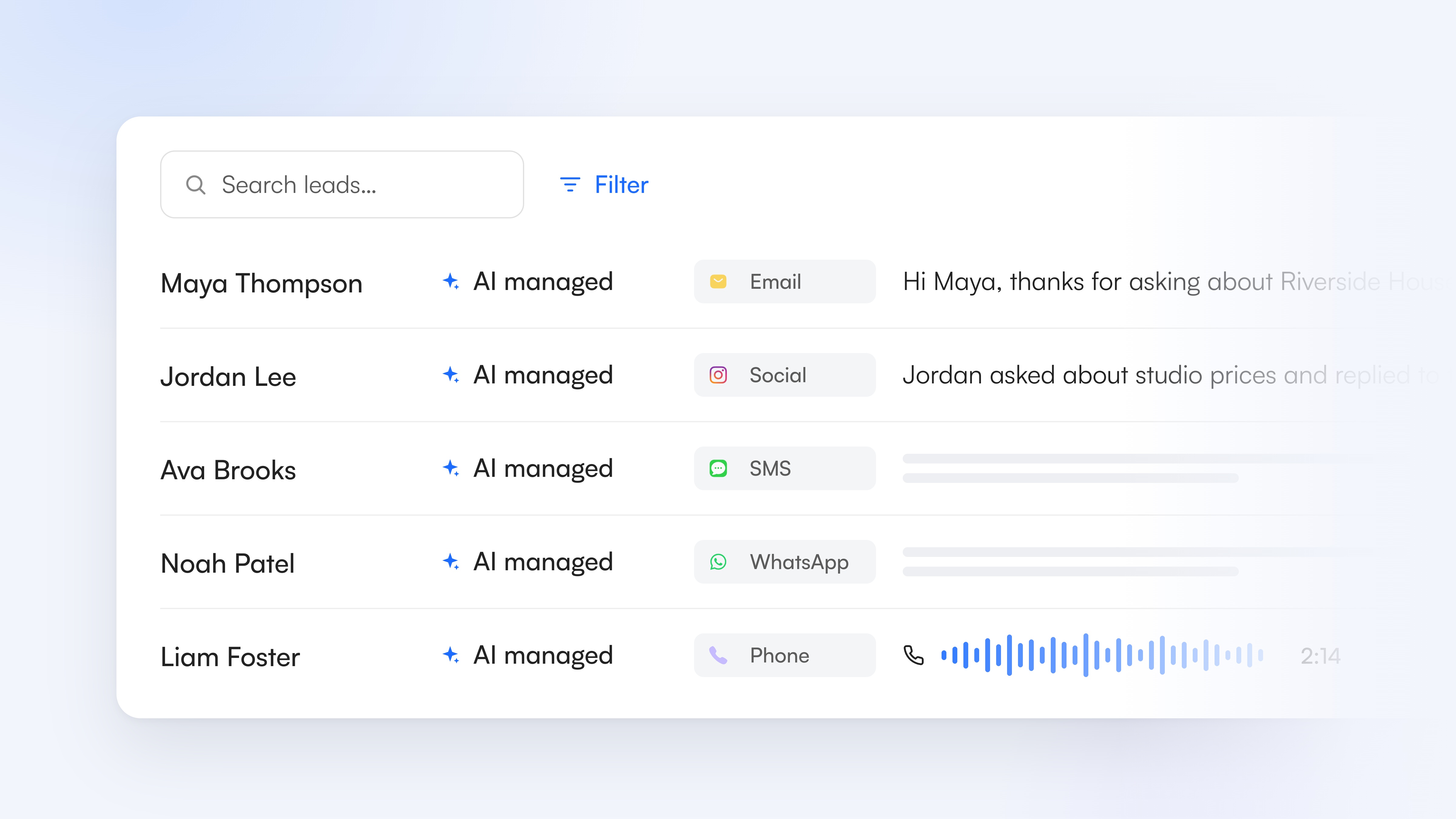
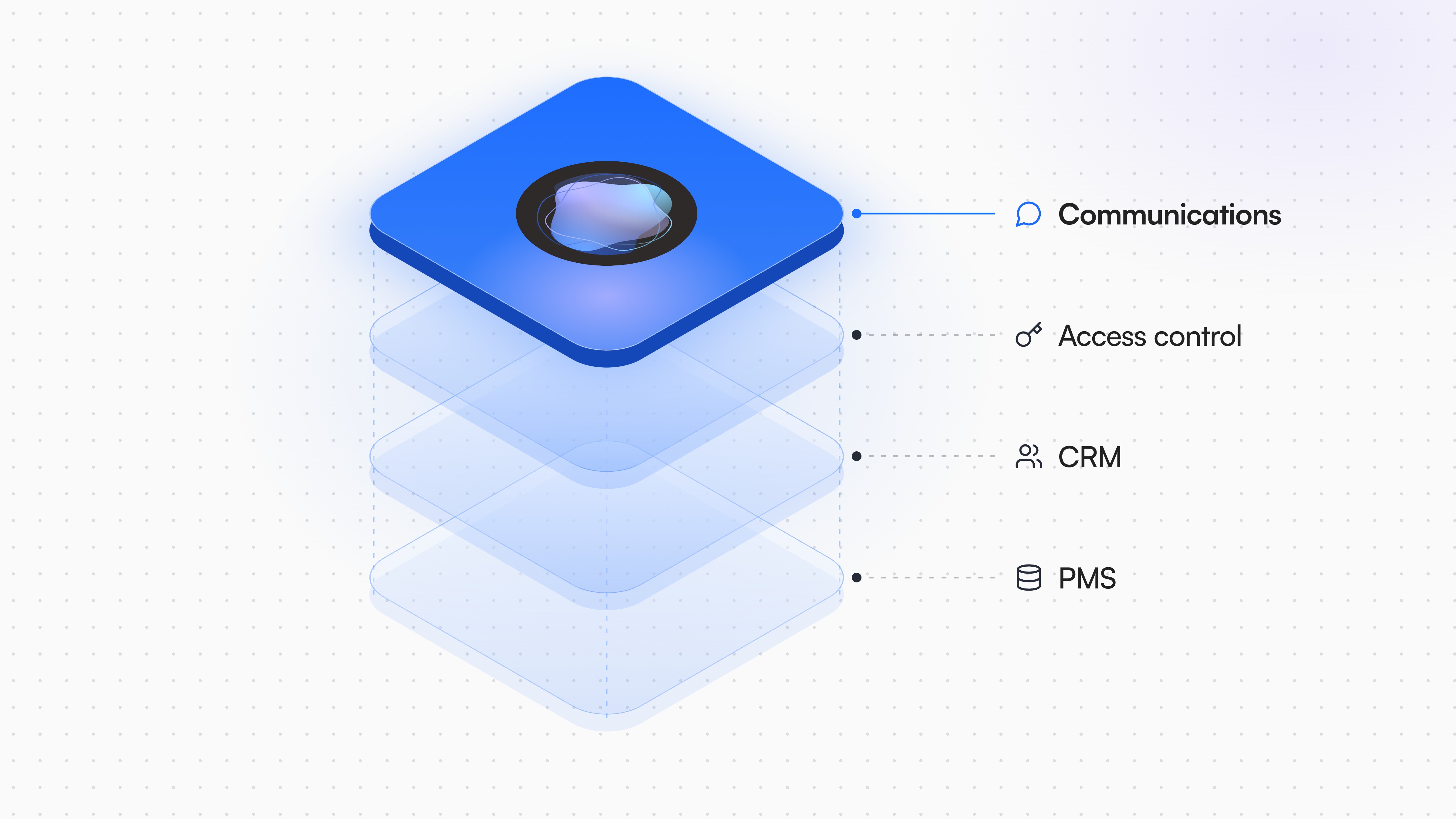
For businesses looking beyond a traditional answering service, VerbaFlo can connect bilingual conversations to the workflows that follow. Rather than treating a Spanish-speaking call as a standalone interaction, AI-powered engagement can help businesses handle routine questions, capture lead information, qualify enquiries, schedule appointments and escalate conversations when human assistance is needed.
For example, a Spanish-speaking prospect contacting a real estate business could ask about available properties, provide their preferred move-in date, ask about amenities and request a tour. Instead of simply taking a message, an AI-powered workflow can help move that conversation towards the next step.
VerbaFlo can therefore complement existing teams by handling routine interactions while allowing employees to focus on conversations that require expertise, judgement, or a personal touch.
When Should a Business Use a Spanish Answering Service?
A Spanish answering service can make sense when a significant portion of your customers prefer Spanish and conversations require human interaction.
It may be particularly useful for businesses that:
- Receive frequent Spanish-speaking calls
- Need dedicated Spanish-speaking receptionists
- Handle complex or sensitive conversations
- Require human judgement throughout the call
- Want an outsourced team to answer calls on their behalf
If a large percentage of calls involve repetitive questions, appointment scheduling, lead capture, status updates, or other predictable requests, AI can potentially handle these interactions more efficiently.
What to Look for in Bilingual Call Handling
Whether you choose a traditional answering service or AI, several capabilities are important.
English and Spanish support
The system should provide a natural experience in both languages, not just basic translation.
Accurate business information
Responses should be based on approved business information so callers receive consistent answers.
Call and lead qualification
For sales-driven businesses, the system should capture relevant information rather than simply taking a message.
Appointment scheduling
Integration with scheduling systems allows customers to move directly from a question to an appointment.
Human escalation
Complex or sensitive conversations should be routed to an appropriate employee instead of being forced through an automated workflow.
Conversation history
Businesses should be able to access previous interactions so employees do not have to ask customers to repeat information.
After-hours coverage
For businesses that receive calls outside normal working hours, extended availability can help prevent unanswered enquiries.
How Much Does Bilingual Answering Cost?
The cost depends on the service type, call volume, coverage hours, level of human involvement and included features.
Traditional bilingual answering services generally charge based on minutes, calls, staffing requirements, or service packages. A dedicated Spanish-speaking receptionist can cost considerably more than automated call handling, particularly when businesses require extended or 24/7 coverage.
AI-powered services can offer a different cost structure because they can handle a higher volume of routine conversations without requiring additional human staffing for every call.
Rather than comparing price alone, businesses should consider the cost per successfully handled interaction and the value of the outcomes generated, such as appointments booked, leads captured, or calls successfully resolved.
The Future of Bilingual Customer Communication
Bilingual communication is becoming less about maintaining a separate Spanish-language phone line and more about creating a connected customer experience that works naturally across languages.
AI is making this possible by combining language capabilities with conversational workflows. Instead of simply answering calls, AI can help businesses understand customer intent, provide information, capture details, schedule appointments and connect customers with the right employee when necessary.
The strongest approach may ultimately combine both. AI provides availability, consistency and routine conversation handling, while people handle the interactions where human judgement matters most. Book a demo to see how it works.