.avif)
A prospect enquires about a two-bed in March, books a tour, then goes quiet. By June the unit is still empty and that lead is buried under 400 newer enquiries in the CRM, paid for once and never contacted again. Across a portfolio, the value sitting idle in leads like these adds up faster than most leasing teams track.
Outbound re-engagement exists for this gap. It means reaching back out to leads who went cold, on the channel they are most likely to answer and at a moment that makes sense for them.
Done by hand it rarely happens, because the day fills with live enquiries. Done with AI, it runs in the background across every property at once.
This piece covers how those campaigns work and how to run them well, from segmentation through to the metrics that show whether the effort paid off.
What Is AI Outbound Lease Re-engagement?
AI outbound lease re-engagement is the use of AI to contact past prospects who enquired about a community and then went quiet, with the aim of bringing them back into the leasing process.
It is outbound because the operator starts the conversation rather than waiting for the prospect to get in touch. It is re-engagement because it targets leads who already showed interest, not fresh prospects who have never heard of the community.
A dormant lead is usually one of the following:
- An enquiry that never converted into a booked tour
- A prospect who toured but never applied
- An applicant who started the process and never finished
- A past enquiry whose timeline has come back around, such as a renter whose current lease is ending
Why Dormant Leads Are an Untapped Revenue Source
Dormant leads are pipeline you have already paid for, which is what makes re-engagement so efficient:
- Money already spent. The marketing budget behind the enquiry and the agent's time on the first response are sunk whether the lead converts or not.
- Almost no new acquisition cost. A re-engaged prospect skips the paid top of the funnel rather than starting it again.
- Proven intent, not a cold name. They enquired about a specific community and unit type, at a budget you already know.
- Timing that comes back around. A renter who was not ready in March may be deciding in June.
How AI Builds and Sends Re-engagement Campaigns
A re-engagement campaign runs in three stages, and AI handles each one differently from a manual approach.
Segmentation comes first. The platform sorts dormant leads by where they dropped off and how recently, then groups them so each receives a relevant message. An applicant who abandoned a form needs a different prompt from someone who enquired six months ago.
Timing decides when each message goes out. Rather than a single blast, the AI triggers outreach against signals such as:
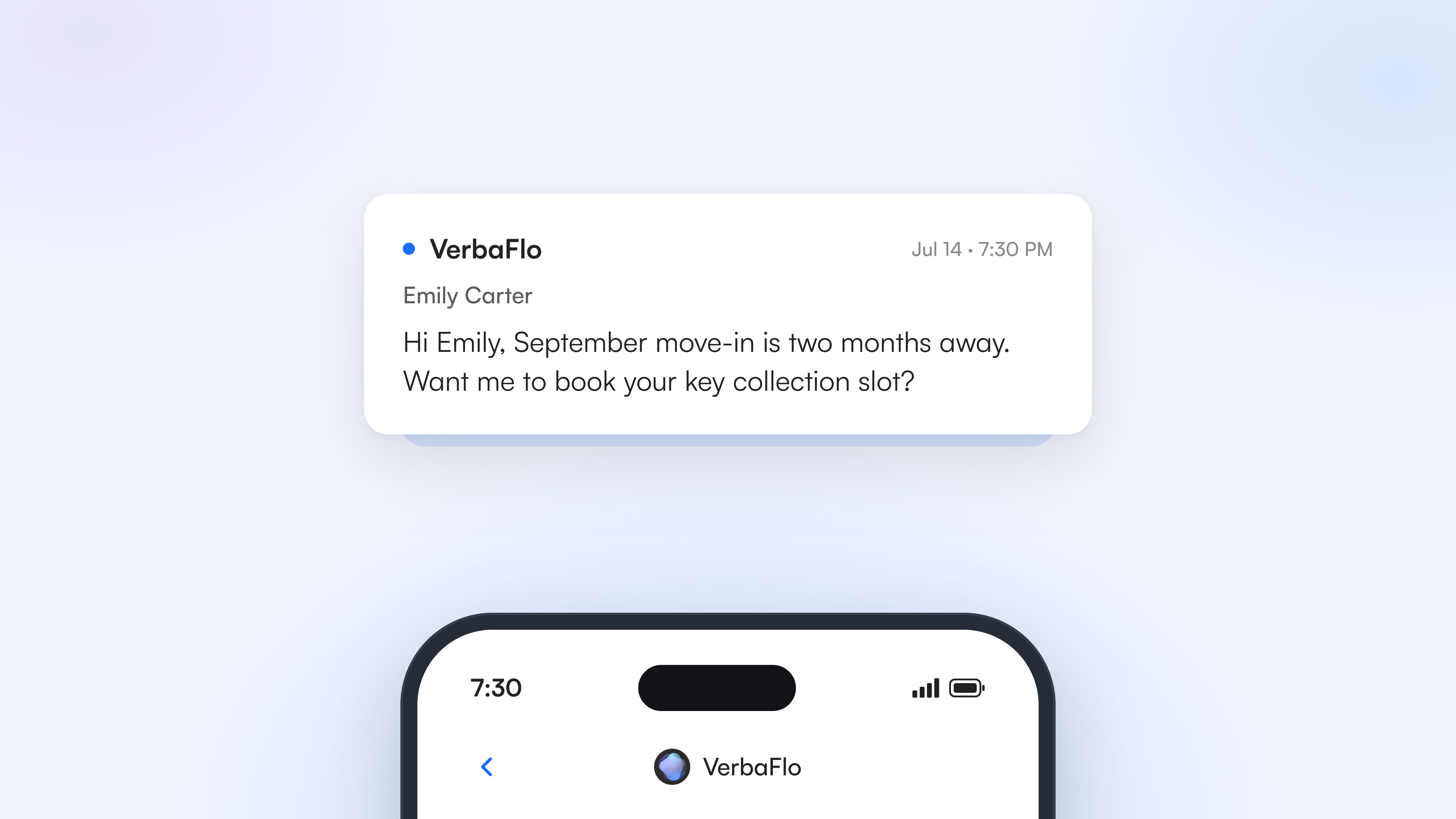
- A lead's original move-in date approaching
- A unit matching their criteria coming back on the market
- A renewal or lease-end window opening for a past enquiry
It also paces follow-ups and respects a cool-down, so the same person is never contacted too often.
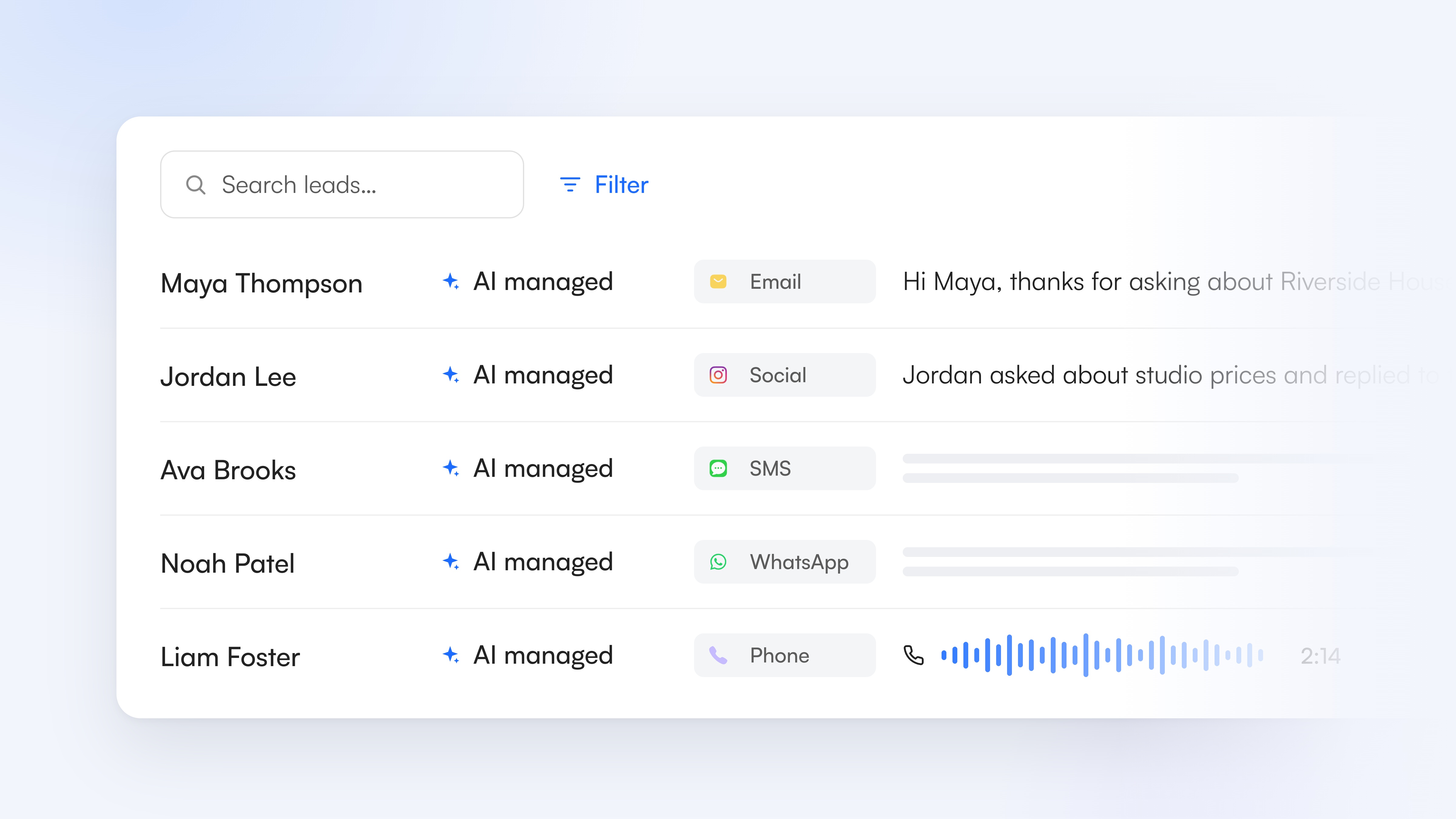
Channel selection matches the message to the place a lead is most likely to respond. If a prospect replied to a text last time but ignored three emails, the AI leads with text. When one channel goes unanswered, it can fall back to another rather than giving up.
Channels That Work: SMS, WhatsApp, Email, Voice
No single channel wins a re-engagement campaign. The right mix depends on the segment and on what the lead responded to before. Each channel does a particular job well.
- SMS is immediate and hard to ignore, which suits time-sensitive nudges such as a unit reopening. It is read and answered far faster than email, so it works when a response cannot wait. Keep it short and include an opt-out.
- WhatsApp allows richer back-and-forth than SMS, with images, documents and read receipts, and is widely used by international and student renters.
- Email carries detail that does not fit a text, such as floorplans, pricing breakdowns and application links, though open rates run lower than SMS.
- Voice suits high-intent, later-stage follow-ups. An outbound AI call can answer questions, book a tour and log the outcome to the CRM.
What a Good Re-engagement Message Looks Like
A re-engagement message has one job: give the lead a concrete reason to respond now. Generic check-ins like "Are you still looking?" get ignored. The strongest messages reference what the lead originally wanted, pair it with something new, and make the next step a single tap.
Three principles hold across channels:
- Lead with relevance. Name the unit type, the community or the budget the prospect asked about.
- Offer a reason to act. A reopened unit, a price change or a new incentive gives the message a purpose.
- Keep the ask small. One clear next step, usually booking a tour, converts better than an open-ended question.
The same pattern works whichever channel you use.
SMS: "Hi Jordan, it's Maple Court. A two-bed on the floor you liked just reopened at the rate you were after. Want me to hold a tour slot this week? Reply STOP to opt out."
Email subject line: "Jordan, the two-bed you toured is available again"
WhatsApp: "Hi Jordan, good news from Maple Court. The two-bed you asked about in March is back on the market, and pricing has come down since you last looked. Happy to send the updated floorplan or book you a quick tour, whichever is easier."
Voice (AI opener): "Hi, is this Jordan? I'm calling from Maple Court about the two-bed you enquired about earlier this year. A similar unit just opened up, and I wanted to see whether the timing works better now."
Each one names the prospect and references the original interest, then offers a single low-effort next step. The SMS also includes an opt-out, which is not optional for outbound text in the US.
Measuring Campaign Success
To measure re-engagement, look at outcomes, not activity. An open or a delivered message means little on its own, and the metrics that matter sit further down the funnel. Track the full path from contact to signed lease, and judge the campaign on the cost of each lease it recovers
The last row settles most budget questions. Because re-engagement starts from leads already paid for, the cost per recovered lease usually sits well below the cost of a lease from a new enquiry. That is the argument for running these campaigns continuously rather than in occasional bursts.
Common Mistakes to Avoid
Even a well-targeted programme can underperform, almost always for one of these avoidable reasons:
- Treating it as a blast. Sending one untargeted message to the whole dormant list ignores why each lead dropped off and reads as spam.
- Ignoring consent. Outbound texts and calls to old leads carry legal obligations in the US, including honouring opt-outs and respecting contact rules. Build consent and opt-out handling in from the start.
- Over-messaging. Contacting the same lead too often, across too many channels, drives unsubscribes and damages the brand. Pacing and cool-downs matter.
- Saying nothing new. A message with no fresh reason to act, no reopened unit and no incentive, gives the lead no reason to reply.
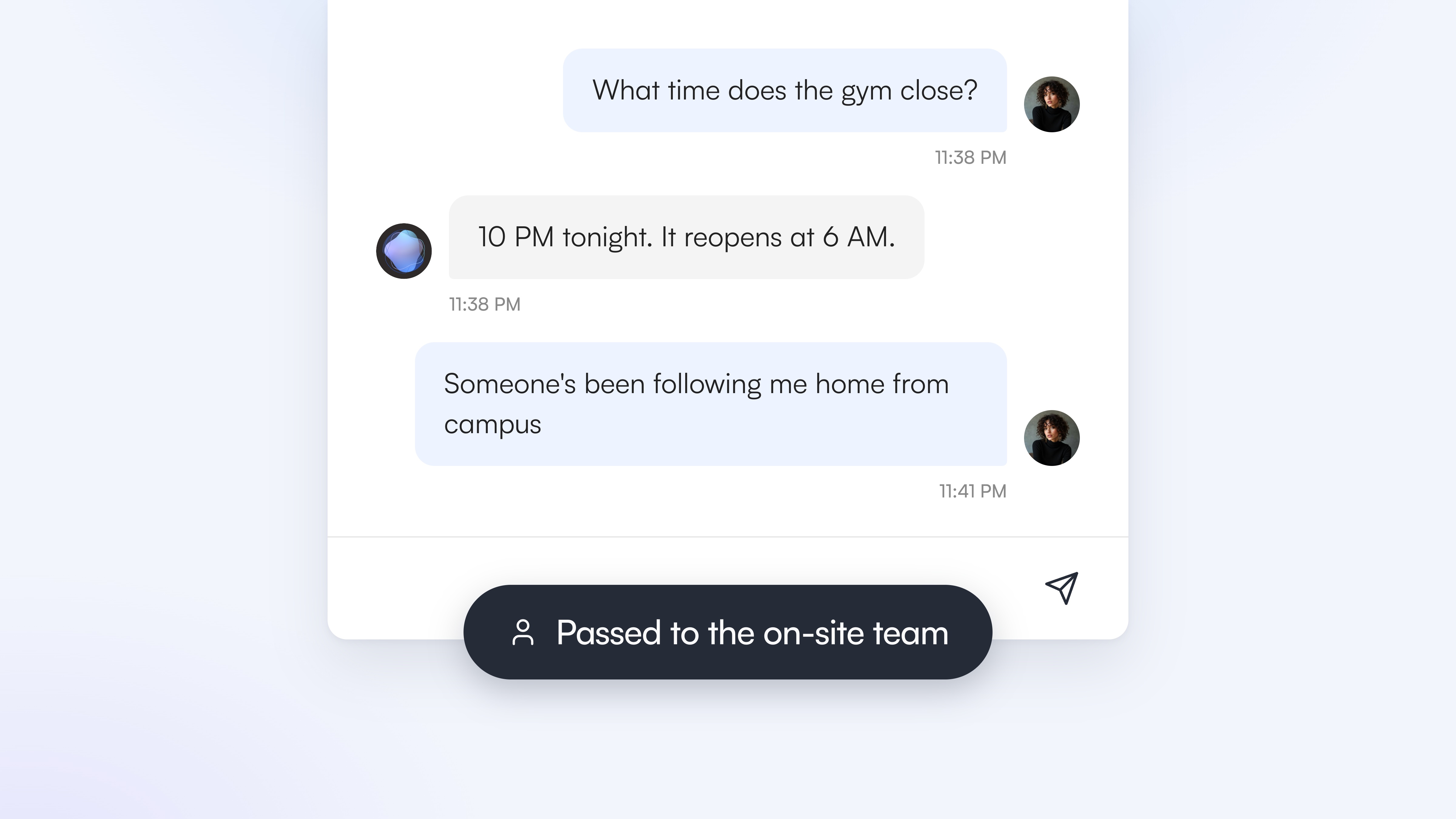
- No human handover. When a re-engaged lead responds with real questions or intent, an automated dead end loses the lease. There has to be a clean handover to a person.
- Measuring the wrong thing. Optimising for opens and clicks instead of tours and leases flatters the report and misses the point.
How VerbaFlo Handles Lease Re-engagement
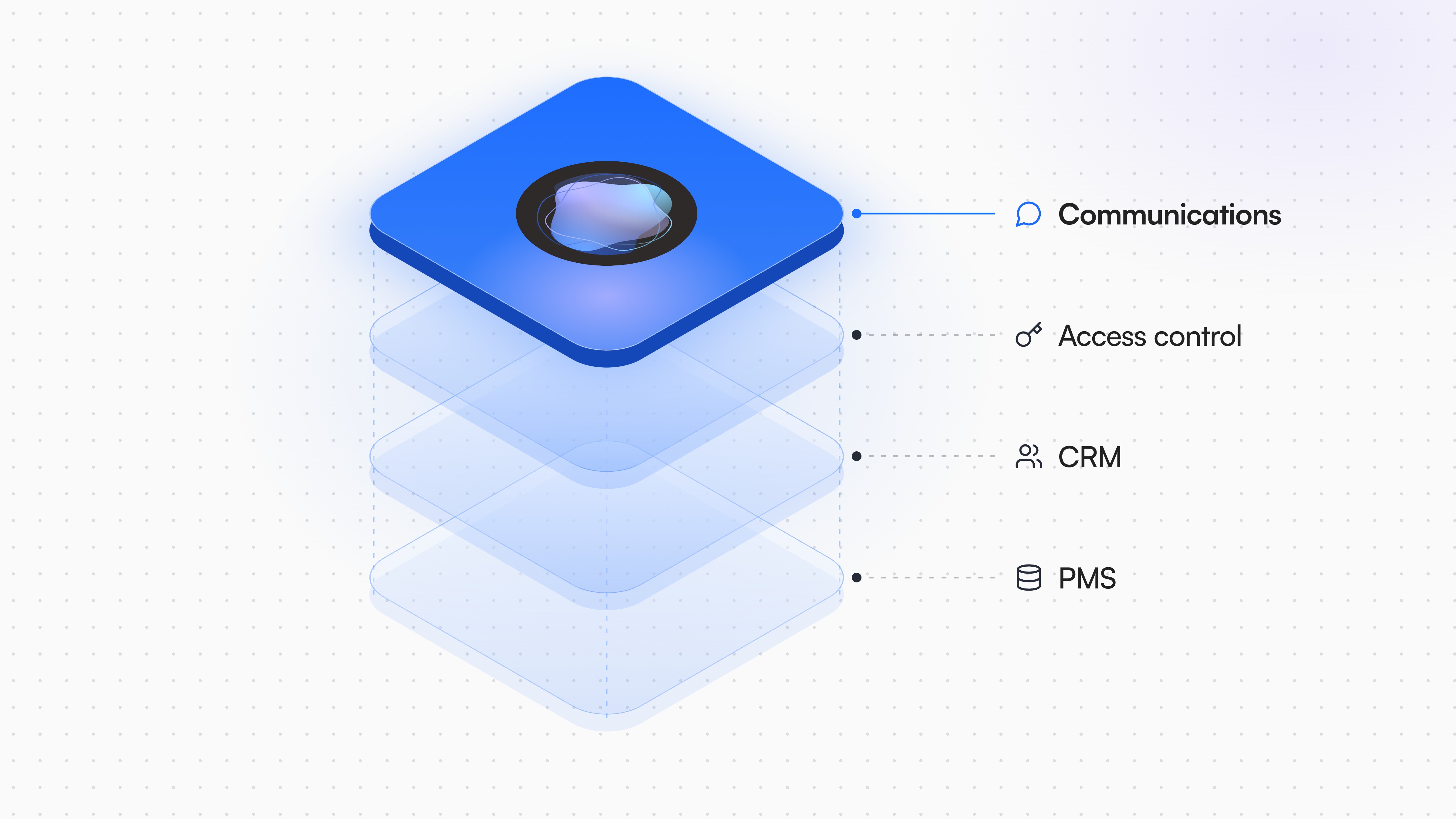
VerbaFlo is a conversational AI platform for real estate operators. It runs high-intent conversations across every channel a renter uses and covers the whole enquiry-to-lease journey, with human handover whenever a conversation needs it.
Outbound re-engagement runs on WorkFlo, which lets a leasing team launch targeted, two-way flows built around real estate use cases, not generic marketing:
- Re-engagement of dormant and aged leads
- Rebooking and tour reminders
- Missed-call follow-ups
- Rent and renewal reminders
Each flow runs over voice as well as WhatsApp and email, and feeds back into the platform, so a lead who replies moves straight into a qualified conversation that books a tour or hands to the team.
Because WorkFlo works with the CRM and property management systems you already run, every conversation stays in one place without manual data entry. The same flows scale to build-to-rent and purpose-built student accommodation operators with high enquiry volumes.
To see it on your own pipeline, book a demo and the team will map a re-engagement flow to your portfolio.