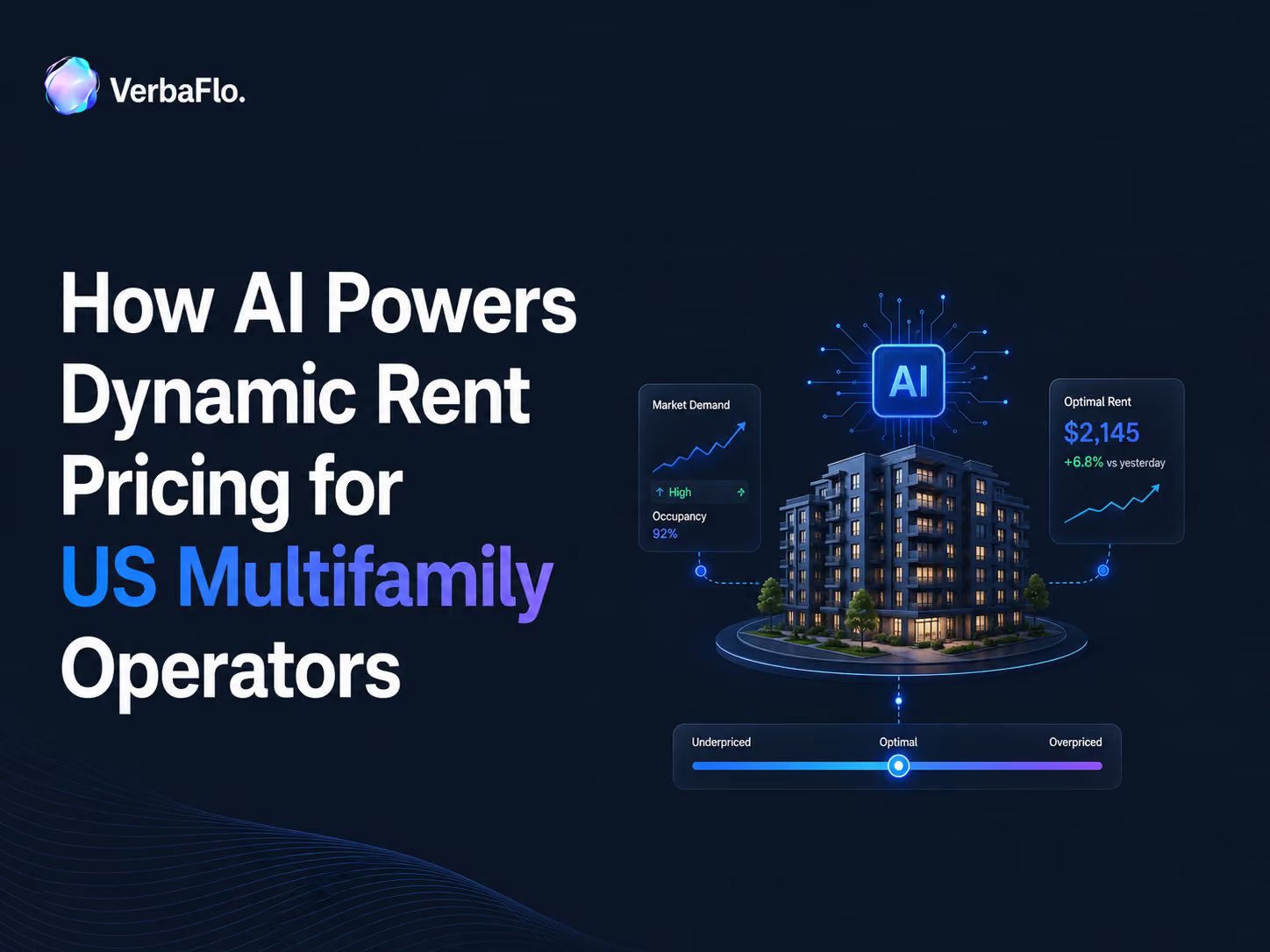
How AI Powers Dynamic Rent Pricing in US Multifamily
Setting rent used to be a monthly exercise in judgement. A revenue manager looked at a spreadsheet of comparable units, factored in what they knew about demand, and set a number.
Today, software can do that continuously, adjusting prices across a portfolio as conditions shift. This is dynamic rent pricing, and AI has made it faster and more granular than any manual process could be.
It is also one of the most scrutinised areas of proptech, with real legal risk attached in some markets. This article explains how AI dynamic pricing works, what it can and cannot deliver, and where the legal and practical limits sit in 2026.
What Is Dynamic Rent Pricing?
Dynamic rent pricing is the practice of adjusting rents frequently in response to real-time supply and demand, rather than setting a fixed price for a leasing season. It is the same principle airlines and hotels have used for decades, applied to rental housing.
Instead of a static rent card, prices move with conditions. When demand for a unit type is high and availability is low, prices rise. When demand softens or vacancy climbs, prices fall to attract renters. The aim is to keep occupancy and revenue in the best possible balance at any given moment.
How AI Sets and Adjusts Rents
AI takes dynamic pricing further than manual methods ever could, by processing far more data far more often. A pricing engine typically draws on several inputs at once.
- Current supply and demand: How many units are available and how much interest each is attracting.
- Market comparables: What similar units in the area are renting for.
- Seasonality: Predictable shifts in demand across the year.
- Lease expirations: When units are due to come available and in what volume.
- Historical performance: How pricing decisions have played out in the past.
The engine weighs these factors and recommends a rent for each unit, updating as conditions change. What once took a revenue manager hours can be done continuously and at portfolio scale.
The Benefits of AI-Driven Pricing
Used well, AI pricing offers advantages that manual methods struggle to match.
- Speed: Prices update in near real time rather than once a season.
- Scale: Every unit in a large portfolio can be priced individually.
- Consistency: Decisions follow data rather than gut feel or inconsistent judgement.
- Revenue optimisation: The engine balances occupancy and rent to maximise total revenue.
These benefits are real, but they come with important limits that operators need to understand before relying on them.
The Limits and Risks of AI Rent Pricing
AI pricing is powerful, but it is not a set-and-forget solution, and treating it as one carries real risk.
The most significant risk is legal. Pricing tools that draw on competitors' nonpublic data have drawn antitrust scrutiny in the US, and a number of states and cities have moved to restrict or ban them. Whether a given tool is permitted depends on what data it uses and where your properties operate.
There are practical risks too. Aggressive pricing can push vacancy up and drive existing residents out at renewal, wiping out the gains it was meant to deliver. And an engine is only as good as its data, so poor inputs produce poor recommendations.
For these reasons, AI pricing works best as a recommendation engine with human oversight, not an autonomous decision-maker.
Why Human Oversight Still Matters
AI can produce pricing recommendations faster than any person, but it does not own strategy or judgement. That remains a human responsibility.
A revenue manager sets the goals the engine works towards, decides how aggressive to be, and overrides the model when its recommendation is wrong for reasons the data cannot see. They also weigh factors the model may not fully capture, such as the long-term value of retaining a good resident versus a short-term rent increase.
The strongest setups combine the two: AI handles the speed and scale of the calculation, and people handle the strategy and the exceptions.
How Pricing and Conversation Work Together
Pricing is only half the equation. A well-priced unit still has to be leased, and a well-timed renewal still has to be agreed. This is where conversation matters.
Once a pricing engine recommends a rent, someone has to communicate it, whether that is answering a prospect's enquiry about a newly priced unit or handling a renewal conversation with an existing resident. The speed and quality of that communication decides whether the recommended rent actually converts into a signed lease.
In other words, pricing and conversation are separate but connected jobs. The best revenue outcomes come when accurate pricing is paired with fast, consistent communication.
How VerbaFlo Fits In
To be clear, VerbaFlo is not a pricing engine. It does not set rents. It is a conversational AI platform built for real estate operators, and it handles the communication that turns your pricing into signed leases.
Once your pricing tool recommends a rent, VerbaFlo carries the conversations around it:
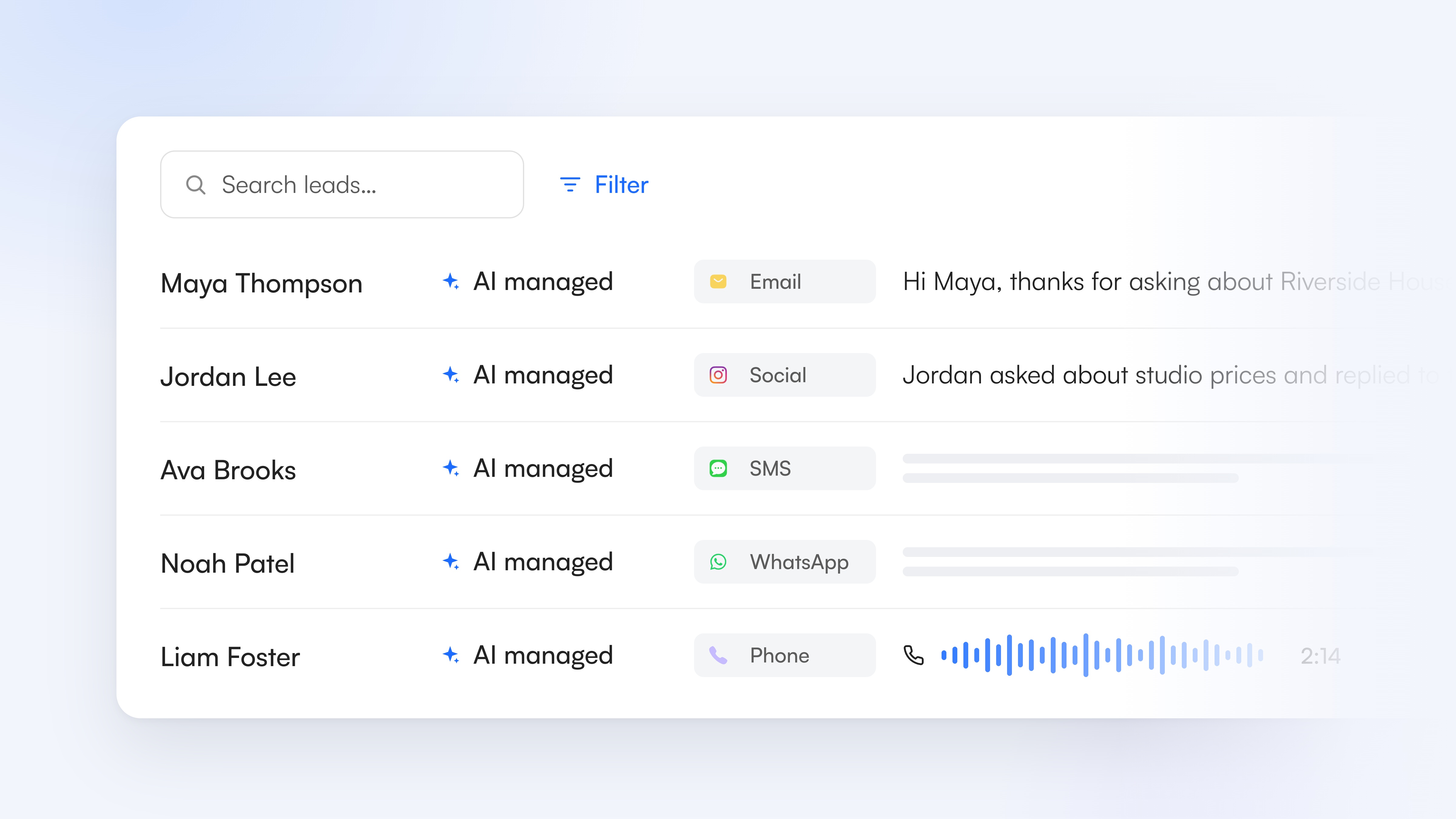
- Leasing enquiries: answering prospects instantly about availability and pricing across web chat, WhatsApp, email, and voice.
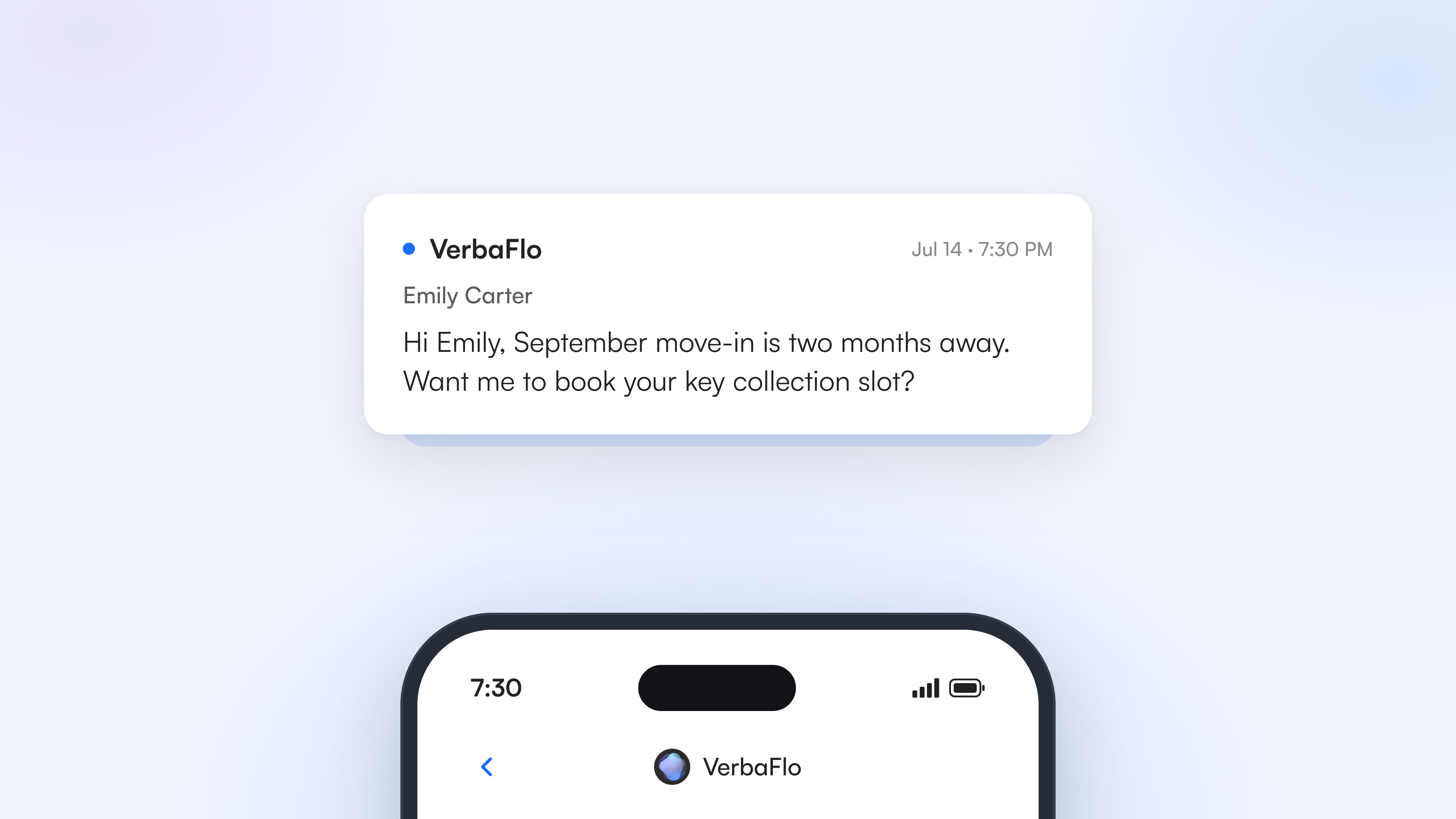
- Renewal conversations: engaging existing residents ahead of expiry to support retention.
- Follow-up: through its WorkFlo layer, keeping prospects and renewing residents warm.
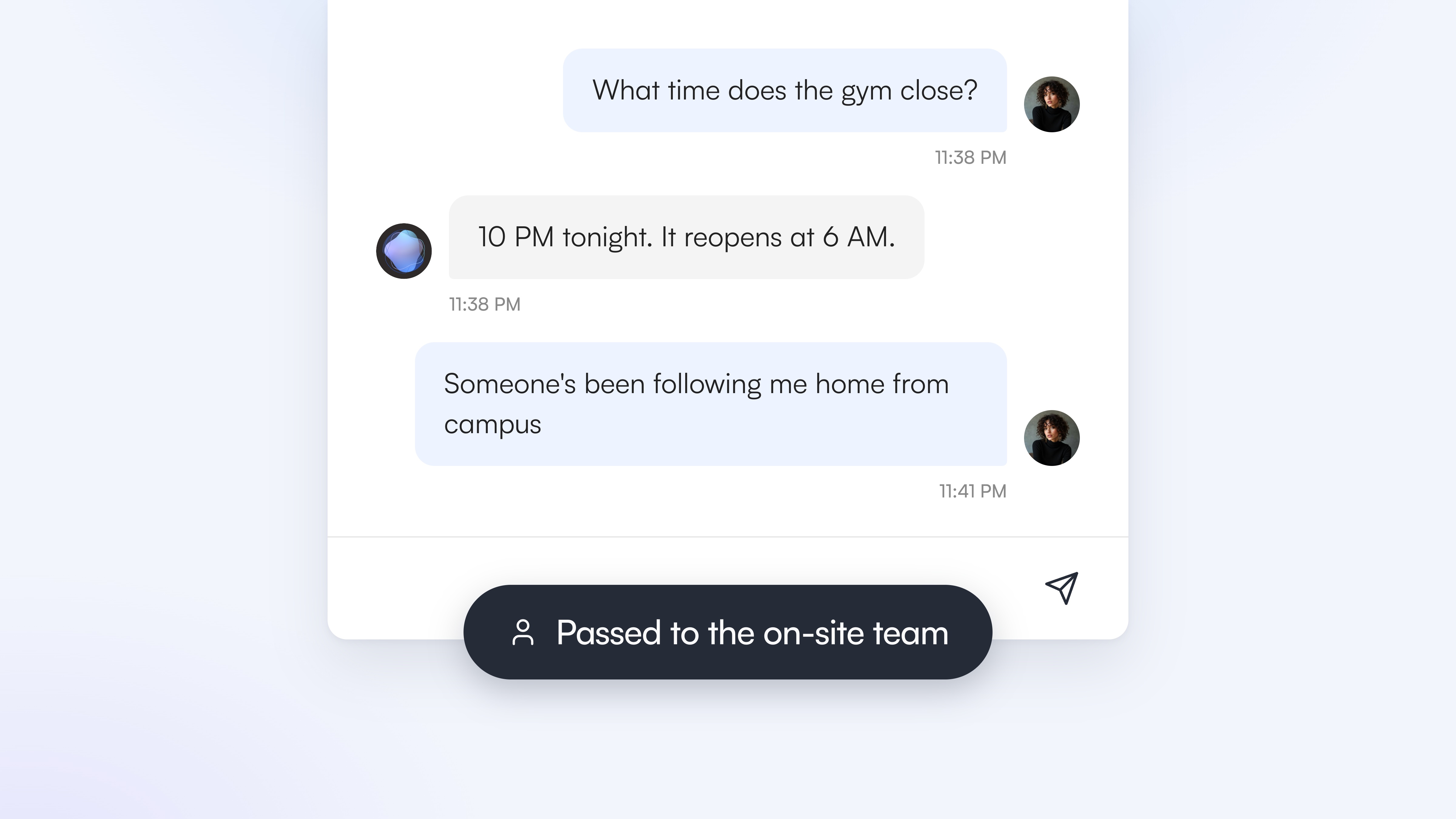
- Clean handover: passing negotiations and sensitive conversations to your team with full context.
Pricing and conversation are two separate jobs. Your pricing tool does the first, and VerbaFlo does the second, turning the rents you set into leases you sign.
Discover how VerbaFlo helps multifamily operators convert their pricing into signed leases through faster, more consistent communication.