Why Rent Collection Is Still Manual for Most Landlords
Rent collection sounds simple: tenant pays, landlord receives. In practice, the process involves reminders, follow-ups, late fee calculations, reconciliation, accounting entries, and occasional difficult conversations, repeated every month, across every unit, without fail.
For most independent landlords, this still happens manually. A text or email reminder goes out a few days before the first. A cheque arrives by post, or a bank transfer lands in the account. The landlord logs it in a spreadsheet, chases whoever has not paid, and handles late fees on a case-by-case basis. At five units, this is manageable. At 20, it is a part-time job. At 50, it is untenable.
Automated rent collection has been available for years. The gap is more than technology, it is awareness and inertia. Many landlords have not set it up because the initial configuration feels like effort, and the current system, however inefficient, technically works. This guide is for landlords ready to stop spending time on a process that should run itself.
The Options for Online Rent Collection
Choosing the right payment method is the first step in automating rent collection. The most common options include ACH bank transfers, credit and debit card payments, and digital payment services. Each offers different benefits depending on a landlord's operational needs and tenant preferences.
ACH bank transfers are widely used because they provide a reliable, secure, and cost-effective way to process recurring rent payments. They also support automated payment schedules and make it easier to track transactions over time.
Credit and debit card payments provide tenants with additional flexibility and convenience, although they may involve transaction fees that landlords should consider when deciding which payment methods to accept.
Digital payment services can be suitable for occasional transactions, but they often lack features such as automated reminders, payment tracking, accounting integration, and reporting. Rent collection solutions designed specifically for property management typically include these capabilities, making them better suited for managing recurring rent payments at scale.
Setting Up Automatic Payment Reminders
Automatic payment reminders are one of the highest-value, lowest-effort automations a landlord can implement. Most platforms include this as standard, and once configured, it requires no ongoing maintenance.
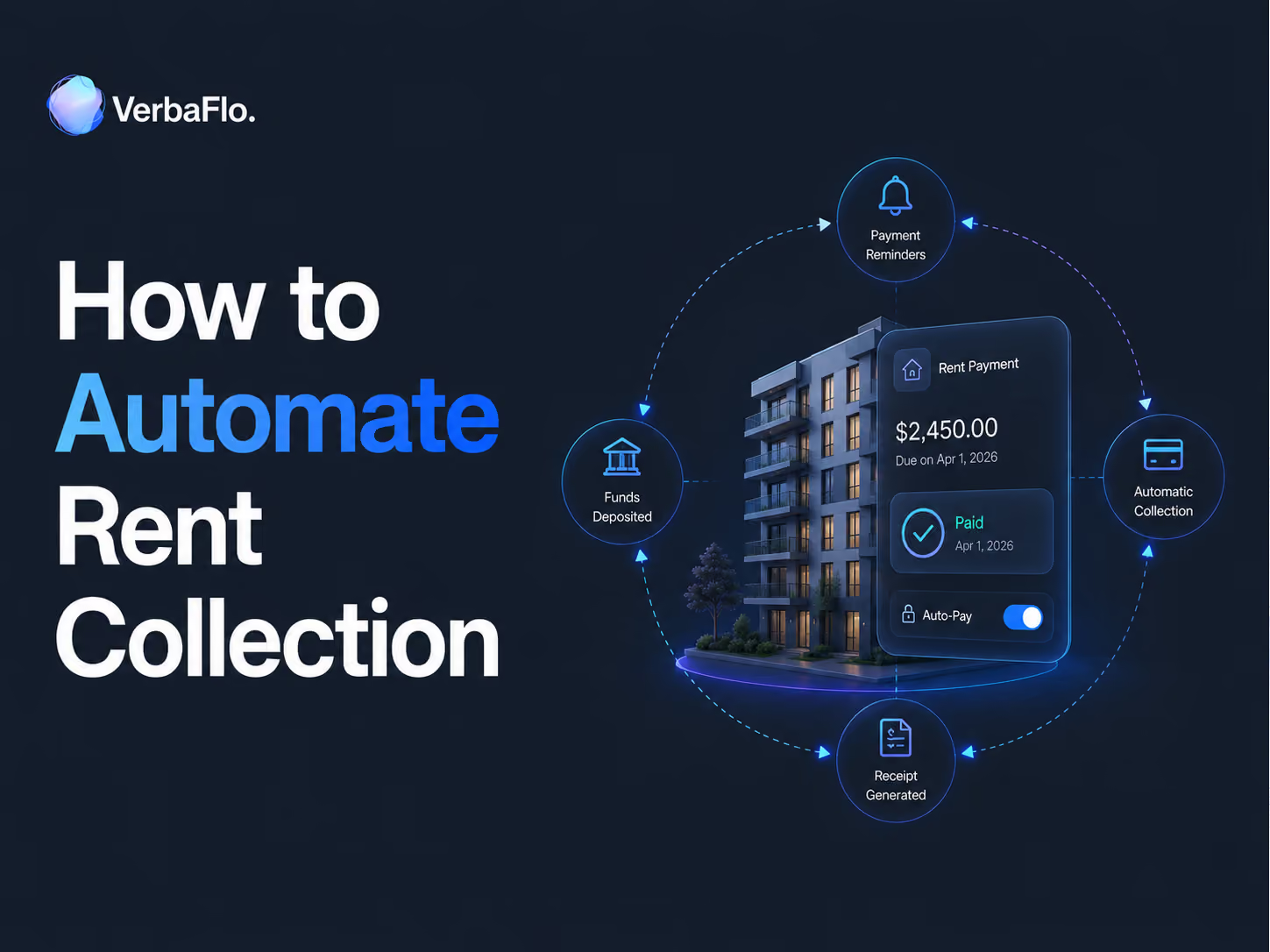
A well-structured sequence runs as follows: a reminder five to seven days before the due date, a second reminder the day before, and a late notice within 24 hours of a missed payment. The landlord sets these up once; the system handles every subsequent cycle.
The channel matters. The communication channel should align with tenant preferences. Offering multiple reminder options, such as SMS and email, helps landlords communicate with tenants through their preferred channel. Platforms that support multiple communication channels and allow tenant communication preferences provide greater flexibility for landlords and property managers.
For landlords managing larger portfolios who want additional communication coverage, conversational AI platforms like VerbaFlo can automate tenant-facing outreach across WhatsApp, SMS, voice, and email simultaneously, ensuring reminders reach tenants on the channel they actually use, without the landlord managing the sequencing manually.
Handling Late Payments Without Manual Chasing
Late payments are the most time-consuming part of rent collection. Chasing individual tenants, documenting conversations, calculating late fees, and deciding when to escalate all happen outside the normal cycle and consume disproportionate time.
Automated rent collection software handles the post-due-date workflow automatically. Once a payment is missed, the system triggers a late notice, applies the late fee based on the lease rules, and begins a structured follow-up sequence. The landlord receives a notification and can see the status in a single dashboard view.
The most effective systems allow landlords to configure late fee rules by lease, set escalation triggers for outstanding payments, and generate documentation of the missed payment and all follow-up activity.
One important nuance: automated late fee application must be configured in line with local landlord-tenant law, which varies by state and municipality. Platforms designed for the US market typically include compliance guidance, but landlords should verify their fee structure before going live.
Reconciliation and Accounting: Closing the Loop
Collecting rent automatically is only one part of the process. Equally important is ensuring that every payment is accurately recorded, reconciled, and reflected in financial records.
Many rent collection solutions integrate with accounting software, allowing payments to be categorised, matched to the appropriate lease, and recorded automatically. This reduces manual data entry, improves record accuracy, and helps streamline routine accounting tasks, particularly for landlords managing multiple properties.
When rent payments are processed through a centralised system, bank reconciliation becomes more efficient, and discrepancies are easier to identify. Automating these workflows can reduce administrative effort while improving the accuracy and consistency of financial reporting.
For landlords managing properties on behalf of multiple owners, accounting workflows may also include calculating owner distributions and maintaining accurate payment records. The availability of these capabilities depends on the features offered by the selected rent collection or property management solution.
Key Features to Look for in Rent Collection Software
Choosing the right rent collection software involves more than simply accepting online payments. A strong solution should automate recurring rent payments, send payment reminders, track payment status in real time, and generate clear financial reports. As operational needs grow, additional capabilities such as maintenance coordination, tenant communication, accounting integrations, and analytics can streamline property management workflows.
Evaluating software based on these core features, rather than brand recognition, helps property managers and landlords pick a solution that supports efficiency, accuracy, and a better tenant experience.
What Tenants Actually Prefer (And Why It Matters)
Tenant payment behaviour is a function of convenience. Tenants who find the payment process easy pay on time at higher rates than those who find it inconvenient, regardless of their underlying financial situation. Platform usability directly affects collection rates.
Autopay is the most reliable mechanism for on-time payment. When tenants enrol in automatic payment, the reminder and chase cycle is largely eliminated. Most rent collection platforms allow landlords to encourage or require autopay enrolment during tenant onboarding.
Mobile accessibility matters. A significant proportion of tenants manage their finances primarily through their phone, and a rent collection platform that works smoothly on mobile will see higher engagement than one requiring a desktop browser.
Communication channel preference also varies by tenant demographics. Younger tenants respond better to SMS or app notifications; older tenants may prefer email. Platforms that support multiple channels simultaneously reduce the likelihood of reminders going unnoticed, and where WhatsApp or voice communication is standard for a given tenant base, multi-channel platforms provide a meaningful edge in collection consistency.